

Xiaomi has officially unveiled its XRING O3, a 3nm SoC that marks the company's second-generation self-designed chip and a significant step toward reducing its reliance on Qualcomm and MediaTek. The announcement, made in China, highlights Xiaomi's growing ambition to control the core silicon inside its flagship devices.
The XRING O3 is the follow-up to Xiaomi's first flagship SoC, which debuted in 2025 and powered devices like the Xiaomi 15S Pro and Pad 7 Ultra. That first chip proved Xiaomi could move beyond integrating off-the-shelf components and design its own platform. Now, with the O3, the company is pushing into more advanced territory: a 3nm process node and a focus on AI performance.
Find Original Home Decor sparking conversation at Grand Goldman Shop.

Why Xiaomi's 3nm SoC Matters for the Smartphone Industry
For years, the Android flagship market has been dominated by two chip suppliers: Qualcomm with its Snapdragon series and MediaTek with its Dimensity lineup. Xiaomi's move to design its own SoC is a direct challenge to that duopoly. By controlling the chip, Xiaomi can optimize hardware and software together, potentially delivering better performance, battery life, and AI features than it could with off-the-shelf silicon.
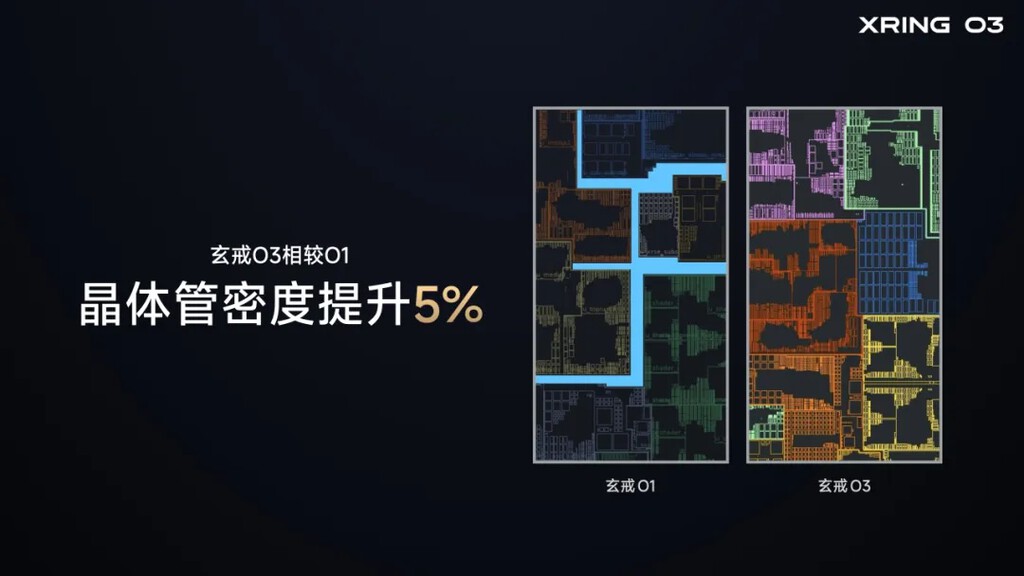
This shift is not just about Xiaomi. It reflects a broader trend among major smartphone makers to develop in-house chips, following in the footsteps of Apple, Samsung, and Google. The 3nm process node is particularly significant because it allows for more transistors in a smaller space, leading to improved efficiency and performance. For Xiaomi, this means its flagship phones can compete more effectively on the global stage.
What We Know About the XRING O3
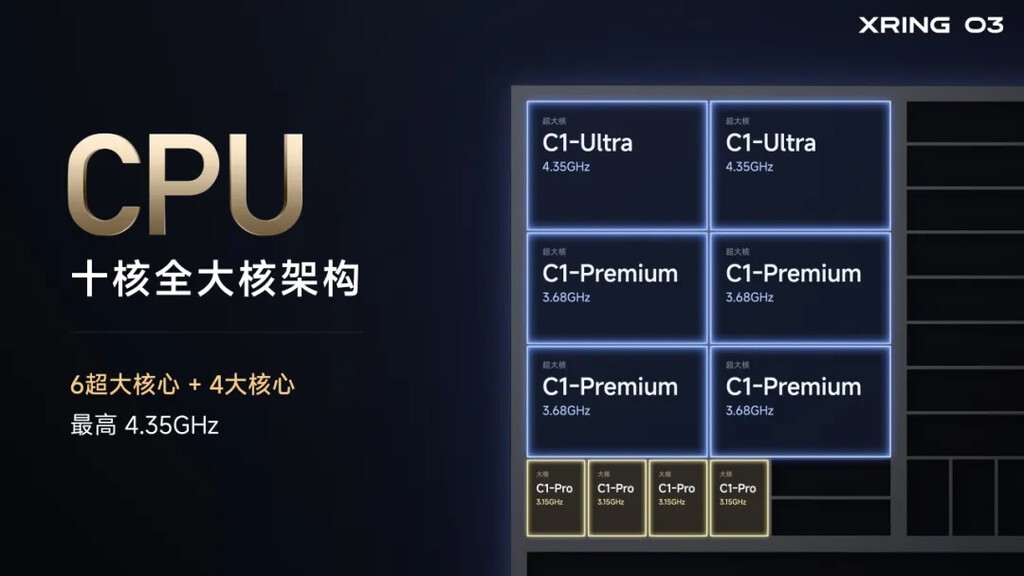
Xiaomi's announcement provided key details about the XRING O3, though some specifications remain under wraps. Here's a summary of the confirmed information:
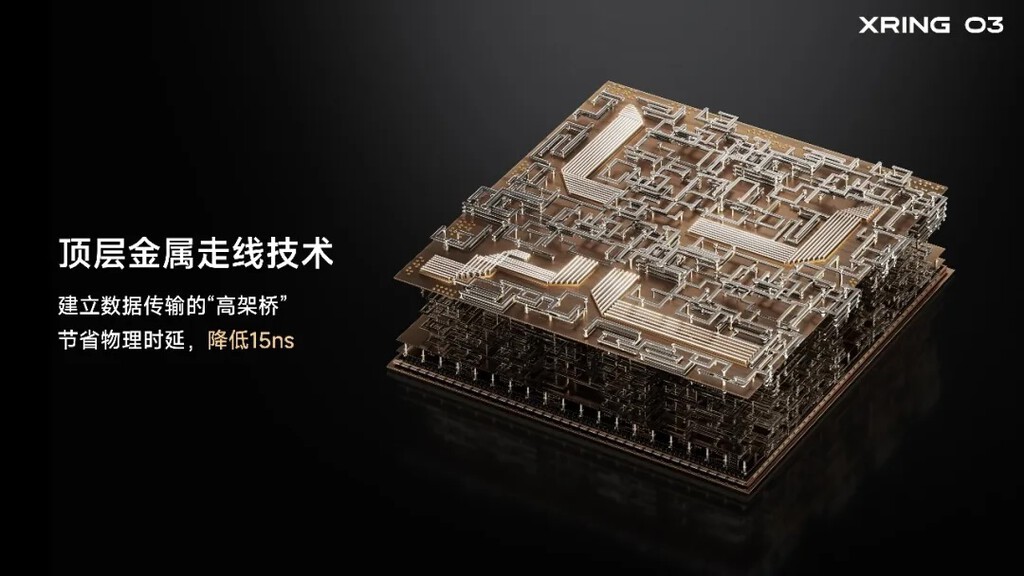
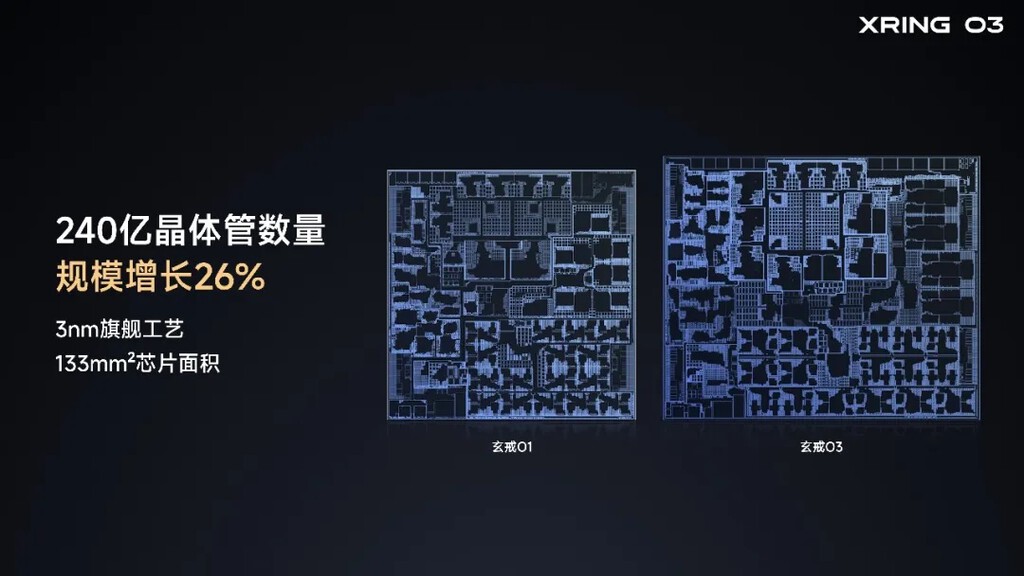
- Process node: 3nm, enabling higher transistor density and better power efficiency.
- Generation: Second-generation self-designed SoC, following the first chip launched in 2025.
- Target devices: High-end smartphones and tablets, likely including future Xiaomi flagship models.
- AI focus: Designed for an era where artificial intelligence plays an increasingly important role in mobile experiences.
- Predecessor: The first-generation SoC powered the Xiaomi 15S Pro and Pad 7 Ultra.
The chip is expected to debut in Xiaomi's upcoming premium devices, though the company has not yet announced specific launch dates or product names. What is clear is that Xiaomi is positioning the XRING O3 as a cornerstone of its high-end strategy.
XRING O3 vs. Qualcomm and MediaTek: A Comparison
To understand the significance of Xiaomi's move, it helps to compare the XRING O3 with the dominant players in the Android chip market. The table below outlines key differences based on available information.
| Feature | Xiaomi XRING O3 | Qualcomm Snapdragon (typical flagship) | MediaTek Dimensity (typical flagship) |
|---|---|---|---|
| Manufacturer | Xiaomi (in-house design) | Qualcomm | MediaTek |
| Process node | 3nm | 3nm/4nm (varies by generation) | 3nm/4nm (varies by generation) |
| Availability | Exclusive to Xiaomi devices | Widely available to OEMs | Widely available to OEMs |
| AI focus | Yes, emphasized | Yes, emphasized | Yes, emphasized |
| Integration with device | Deep hardware-software optimization | OEM-dependent | OEM-dependent |
While Qualcomm and MediaTek still hold advantages in scale and proven track records, Xiaomi's in-house chip gives it a unique level of control. The 3nm node puts the XRING O3 on par with the latest offerings from both competitors, at least on paper.
The Road Ahead: Challenges and Opportunities
Designing a cutting-edge SoC is a costly and complex endeavor. Xiaomi's first-generation chip was a learning experience, and the XRING O3 represents an evolution. However, success will depend on execution: the chip must deliver on performance, power efficiency, and AI capabilities in real-world devices.
There are also broader implications. If Xiaomi's in-house silicon proves competitive, it could reduce the company's dependence on Qualcomm and MediaTek, giving it more leverage in pricing and supply chain negotiations. It could also inspire other Chinese OEMs to follow suit, further reshaping the global chip landscape.
For consumers, the XRING O3 could mean more differentiated Xiaomi devices with features tailored to the company's ecosystem. It may also lead to better integration with Xiaomi's AI services and software enhancements.
What to Watch Next
The immediate next step is the commercial launch of devices powered by the XRING O3. Xiaomi has not yet announced which models will feature the chip, but given its flagship positioning, expect it to appear in the successor to the Xiaomi 15S Pro or a new premium series. The background to this story is set out in Xiaomi POCO X8 Pro Deal: Flagship Features at Budget Price. A related thread runs through Xiaomi Profits Fall 42% But Chip Investment Accelerates. Earlier coverage in Xiaomi 18 Fold: The Most Expensive Xiaomi Yet With a Custom Chip shows how the argument developed.
Performance benchmarks and real-world reviews will be crucial in determining whether the XRING O3 can truly compete with Qualcomm and MediaTek's best. Additionally, Xiaomi's ability to scale production and manage costs will be key to its long-term success. A closer look at the same subject appears in Best Camera Phones 2026: Xiaomi 17 Ultra Leads the Pack. Anyone following the wider picture can start with Amazfit T-Rex Ultra 2: Officially Announced, Solves and Beats. The same theme surfaces in Honor Magic8 Pro and Magic8: Debut with AI Button and Snapdragon 8 Elite Gen 5 SoC, which takes a different angle.
The XRING O3 is more than just a chip; it's a statement of intent. Xiaomi is signaling that it wants to be a player in the most critical component of smartphones. If successful, it could mark the beginning of the end for Qualcomm and MediaTek's dominance in the Android flagship space. Context on how this played out before sits in Realme 16 Pro+: Officially announced with 200MP main camera and 7,000mAh battery. A companion piece, Xiaomi Ultra Slim Power Bank Price Drop: Compact 5000mAh Deal, approaches the same subject from another angle.
FAQ
What is the Xiaomi XRING O3?
The Xiaomi XRING O3 is a 3nm system-on-chip (SoC) designed in-house by Xiaomi. It is the company's second-generation self-developed chip, following its first flagship SoC launched in 2025.
Which devices will use the XRING O3?
Xiaomi has not yet specified which devices will feature the XRING O3, but it is expected to power future high-end smartphones and tablets, potentially including successors to the Xiaomi 15S Pro and Pad 7 Ultra.
How does the XRING O3 compare to Qualcomm and MediaTek chips?
On paper, the XRING O3's 3nm process node puts it in the same league as the latest flagship chips from Qualcomm and MediaTek. However, real-world performance and efficiency will determine how competitive it truly is.
Why is Xiaomi making its own chips?
By designing its own SoCs, Xiaomi gains greater control over hardware and software integration, reduces reliance on external suppliers, and can differentiate its devices with custom features, especially in AI.
Browse the Shop
 Acacia frida deluxe solid wood bed frame |
Bedroom bench |
Bed chest drawers |
Lingerie dresser |
Frame base |
Mirror with jewelry storage |
30 Bathroom Vanity |
Memory foam queen mattress |
Mattresses for back pain |
Nightstand set of 2 |
Grand Goldman Shop |
Civil Lawyer
Deutschland Trikot WM 2026







