

Moving from 10 Gbps fiber to Wi-Fi 7 is the key to eliminating home internet bottlenecks and unlocking the full speed you pay for. Spain's broadband market has evolved at breakneck speed, and one operator's rise shows how technical choices matter as much as raw numbers.
The Spanish Broadband Revolution: From Loyalty to Speed
Few countries have experienced a faster evolution in consumer habits than Spain. The telecom market, traditionally a textbook example of brand loyalty, was dominated by a historic operator and one or two multinational giants, alongside smaller brands.
Find Original Home Decor sparking conversation at Grand Goldman Shop.

Determined to be more than a low-price operator, DIGI began offering FTTH internet services in 2018. Eight years later, its high-speed fiber reaches an impressive 14.84 million homes and 2.9 million customers.
That meteoric trajectory is almost as fast as its fiber, which has been the fastest in Spain for more than five years. And not just for streaming or downloads: low latency and the use of latest-generation routers have made DIGI a technical reference in the sector.

Why Speed Numbers Matter: The Ookla Speedtest Awards
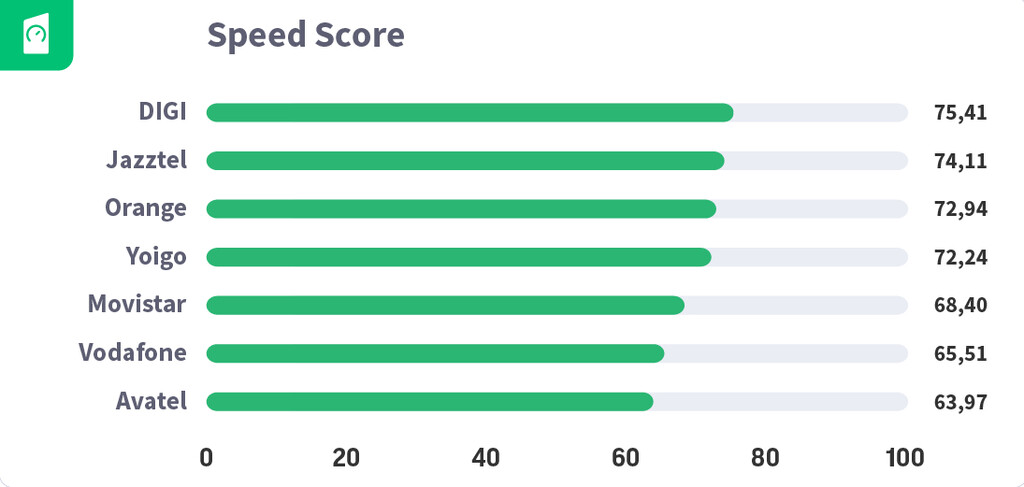
Speed is about numbers, and DIGI's figures leave no doubt. Since 2021, it has offered the fastest fiber network in Spain according to the prestigious Ookla® Speedtest Awards™, an international benchmark for these measurements.
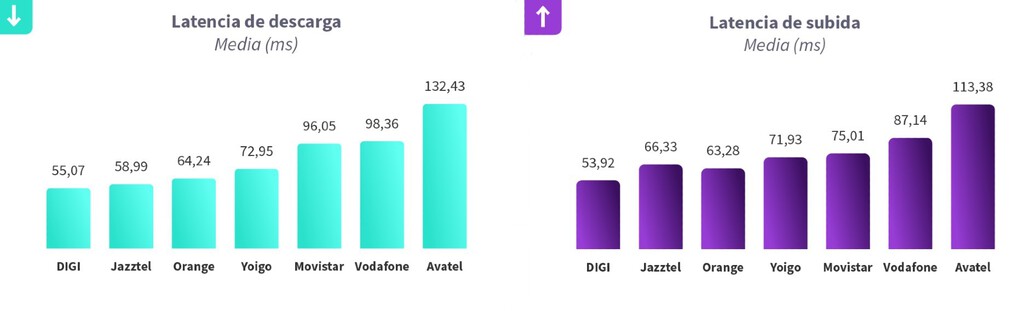
To reach this conclusion, Ookla monitored more than 13 million measurements during the first half of 2026, resulting in a score of 75.41 out of 100. This independent validation underscores that real-world performance, not just marketing claims, defines network quality.
From 10 Gbps to Wi-Fi 7: Where Bottlenecks Occur
Even with a 10 Gbps fiber connection, bottlenecks can occur in the home network. The weakest link often lies in the router, Wi-Fi standard, or connected devices, not the fiber itself.
Wi-Fi 7 (802.11be) promises higher throughput, lower latency, and better handling of multiple devices. But to benefit, your router, devices, and even cabling must support the new standard.
Key Components of a Bottleneck-Free Home Network
- Fiber connection: Ensure your ISP delivers the promised speed to the home.
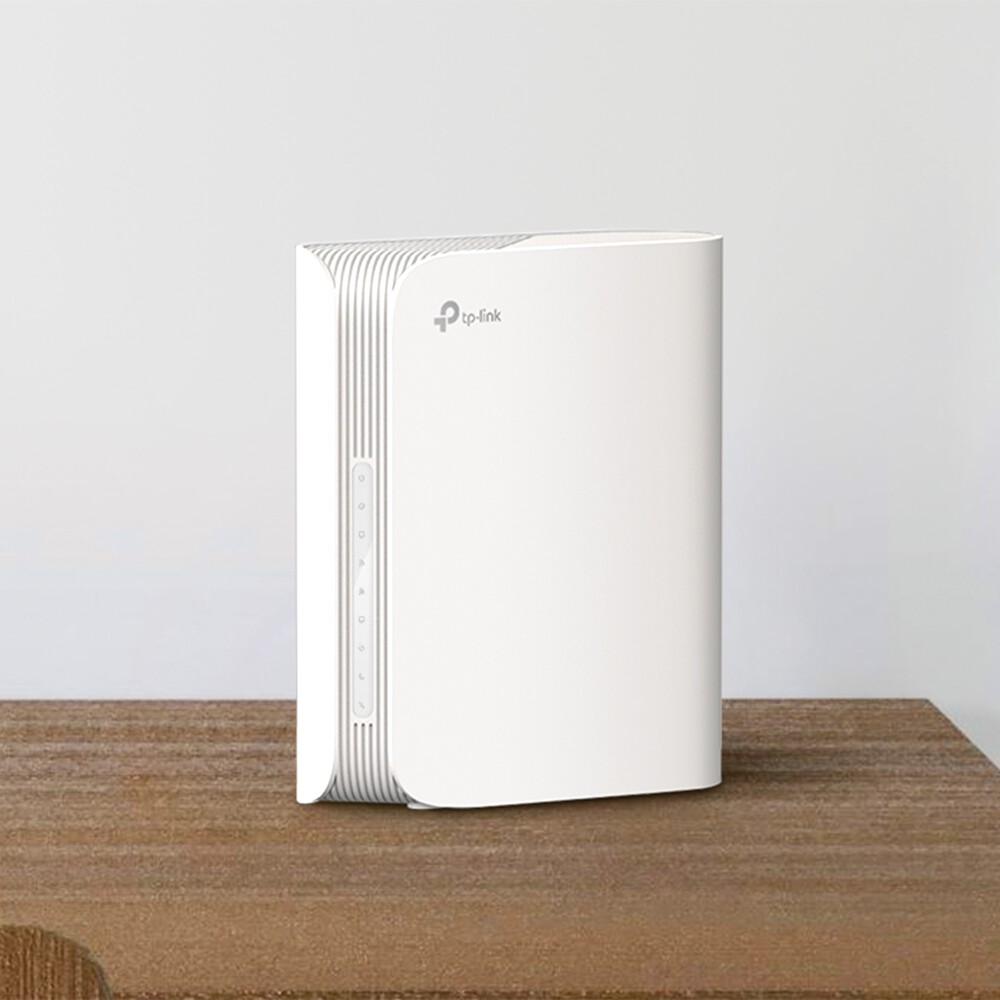
- Router: Use a latest-generation router that supports Wi-Fi 7 and multi-gigabit ports.
- Ethernet cabling: For wired devices, Cat6a or Cat7 cables are needed for 10 Gbps.
- Device compatibility: Your laptop, phone, and smart TV must support Wi-Fi 7 to enjoy its benefits.
- Network configuration: Proper channel selection and QoS settings can reduce interference.
Comparing Wi-Fi Standards: What Wi-Fi 7 Brings
Wi-Fi 7 introduces features like multi-link operation (MLO), 320 MHz channels, and 4K QAM, which significantly boost speed and reliability. The table below compares key specs.
| Standard | Max Theoretical Speed | Channel Width | Key Feature |
|---|---|---|---|
| Wi-Fi 5 (802.11ac) | 3.5 Gbps | 80/160 MHz | MU-MIMO |
| Wi-Fi 6 (802.11ax) | 9.6 Gbps | 160 MHz | OFDMA |
| Wi-Fi 6E (802.11ax) | 9.6 Gbps | 160 MHz | 6 GHz band |
| Wi-Fi 7 (802.11be) | 46 Gbps | 320 MHz | Multi-Link Operation |
Upgrading to Wi-Fi 7 can help you fully utilize a 10 Gbps fiber connection, but only if your devices support it. Otherwise, the bottleneck shifts to the device.
What This Means for Consumers and the Industry
For consumers, the lesson is clear: raw speed claims are meaningless if your home network can't handle them. Choosing an ISP with a proven track record, like DIGI, is a good start, but investing in compatible hardware is equally important. Context on how this played out before sits in 10 Gbps to Wi-Fi 7: Eliminating Home Internet Bottlenecks.
For the industry, the pressure to deliver not just speed but also reliability and low latency will continue to drive innovation. As Wi-Fi 7 becomes mainstream, operators may bundle advanced routers to stay competitive. The background to this story is set out in Internet: A Boon for Handmade Artisans. A related thread runs through Concrete Countertop with Integrated Sink and Fiber Optic!.
What to Watch Next
Keep an eye on Wi-Fi 7 adoption rates and router prices. As more devices support the standard, the benefits will become more accessible. Also, watch for ISPs upgrading their equipment to match multi-gigabit fiber speeds. Earlier coverage in Starlink vs optical fiber: Why in Greece satellite internet "wins" over fixed networks shows how the argument developed. A closer look at the same subject appears in Taiwan Internet Blackout Drill Tests Emergency Radio Comms.
Ultimately, eliminating bottlenecks requires a holistic approach: fast fiber, capable routers, and compatible devices working together. Anyone following the wider picture can start with Trending: latest articles. The same theme surfaces in Lidl's $7.99 Wireless Weather Station Solves Home Humidity, which takes a different angle.
FAQ
What is Wi-Fi 7 and how does it improve home internet?
Wi-Fi 7 is the latest wireless standard, offering higher speeds, lower latency, and better performance in crowded networks. It can help you fully utilize multi-gigabit fiber connections.
Do I need a new router to get 10 Gbps speeds?
Yes, to achieve 10 Gbps over Wi-Fi, you need a router that supports Wi-Fi 7 and has multi-gigabit ports. Older routers will bottleneck your connection.
How can I check if my devices support Wi-Fi 7?
Check the device specifications or manufacturer's website. Most devices released from 2024 onward may support Wi-Fi 7, but it's not universal.
Why is DIGI considered a technical reference in Spain?
DIGI has consistently offered the fastest fiber network according to Ookla, with low latency and advanced routers, making it a benchmark for performance.
Browse the Shop
 Acacia frida deluxe solid wood bed frame |
Bedroom bench |
Bed chest drawers |
Lingerie dresser |
Frame base |
Mirror with jewelry storage |
30 Bathroom Vanity |
Memory foam queen mattress |
Mattresses for back pain |
Nightstand set of 2 |
Grand Goldman Shop |
Civil Lawyer
Deutschland Trikot WM 2026







