

Archaeologists have reidentified a room in the Roman villa of Fuente Álamo in Córdoba, Spain, as the oldest documented Roman library in the Iberian Peninsula. The discovery, made by a team from the University of Granada, overturns previous assumptions that the space was a temple to the god Mithras.
The room, part of the ancient Roman villa, had long been interpreted as a Mithraeum—a sanctuary for the cult of Mithras. However, the team's research, part of the project Exploratio Territorii Antiquae Ecclesiae Cordubensis, has revealed that the space was actually a library, and one of the best-preserved Roman libraries in the region.
Find Original Home Decor sparking conversation at Grand Goldman Shop.

Reinterpreting the Past: From Mithraeum to Library
The reidentification is not a new excavation but a fresh analysis of an existing room. The structure includes an apse, rectangular niches that likely held shelves, semicircular niches, a podium, and adjacent auxiliary rooms that probably served as workspaces or storage. This layout is characteristic of Roman libraries documented elsewhere in the empire, leading the team to discard the Mithraeum hypothesis.
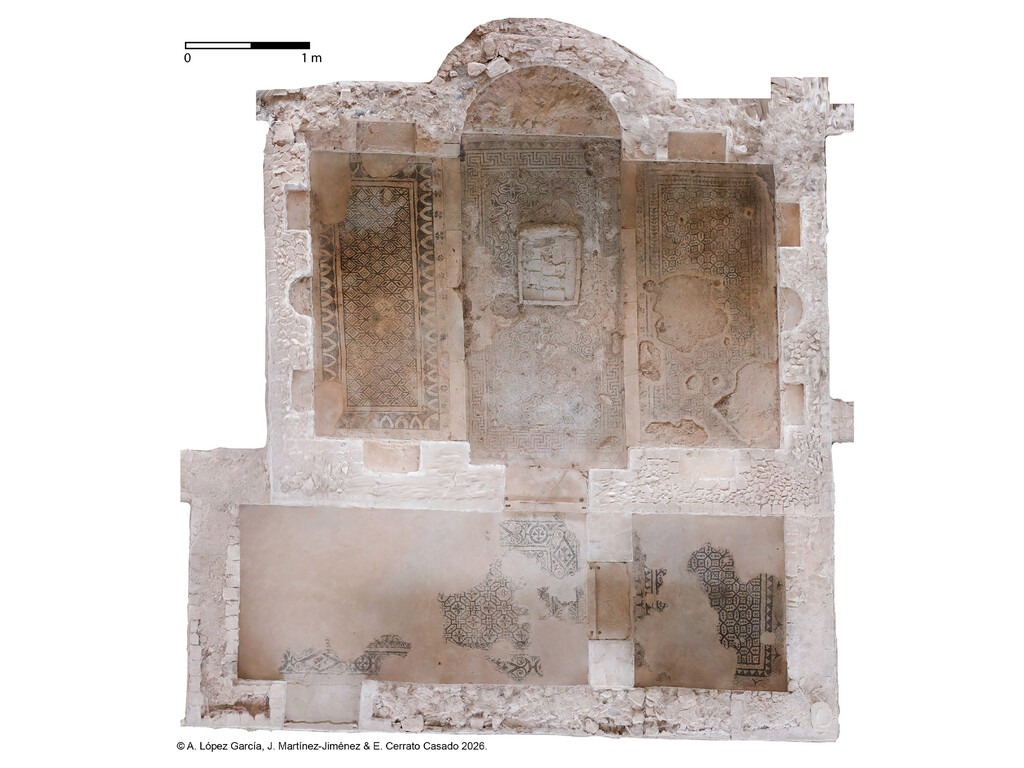
The room's features strongly suggest it was used for reading and storing scrolls, much like the famous Library of Celsus in Ephesus, which housed around 12,000 scrolls. The Fuente Álamo library, however, predates many others in the Iberian Peninsula, making it a significant find for understanding Roman intellectual life in the region.
What the Discovery Means for Roman Archaeology
This reidentification sheds new light on the cultural and intellectual practices of the Roman elite in Hispania. Libraries were not just storage spaces but centers of learning and status. The presence of such a facility in a villa in Córdoba indicates that the owner was likely a person of wealth and education, possibly involved in the administration or intellectual circles of the empire.
Moreover, the find challenges previous interpretations of similar structures. It highlights the importance of revisiting existing archaeological sites with new methodologies and perspectives. The team from the University of Granada used comparative analysis with other Roman libraries to support their conclusion, demonstrating how reexamination can yield groundbreaking insights.
Key Features of the Fuente Álamo Library
The library's architecture provides valuable clues about its function. The apse, often used for a statue or a prominent scroll collection, and the niches for shelves are typical of Roman library design. The podium may have served as a base for reading or display. The auxiliary rooms likely housed scribes or served as archives.
- Apse: A semicircular recess, possibly for a statue or special scrolls.
- Rectangular niches: Likely used for wooden shelves to hold scrolls.
- Semicircular niches: May have held smaller items or decorative elements.
- Podium: A raised platform, possibly for reading or display.
- Auxiliary rooms: Workspaces or storage for the library's operations.
Comparing Roman Libraries: Fuente Álamo vs. Others
To appreciate the significance of the Fuente Álamo library, it helps to compare it with other known Roman libraries. The table below outlines key features of the Fuente Álamo library and the Library of Celsus, one of the most famous Roman libraries.
| Feature | Fuente Álamo Library | Library of Celsus |
|---|---|---|
| Location | Córdoba, Spain | Ephesus, Turkey |
| Date | Roman period (exact date unknown) | 2nd century AD |
| Scroll capacity | Unknown | ~12,000 |
| Architectural features | Apse, rectangular and semicircular niches, podium | Apse, niches, double walls for climate control |
| Significance | Oldest documented in Iberian Peninsula | One of the largest and most famous |
While the Fuente Álamo library may not match the scale of the Library of Celsus, its preservation and age make it a crucial piece of the puzzle of Roman literacy and education in the western provinces. The background to this story is set out in Alarcos Excavation Reveals Major Archaeological Discovery in Spain. A related thread runs through Roman Empire Highway Found in Córdoba: The Metals Superhighway. Earlier coverage in Spain's 11.9M Euro VAT Fraud on Alcohol Busted in Córdoba shows how the argument developed.
What to Watch Next
Further study of the Fuente Álamo library could reveal more about its contents and usage. Researchers may analyze the niches for remnants of scrolls or examine the auxiliary rooms for artifacts related to writing and reading. Additionally, the discovery may prompt reexamination of other sites previously identified as Mithraea, leading to more reidentifications. A closer look at the same subject appears in Best Free Tours to Try in Córdoba, Spain. Anyone following the wider picture can start with Best UK Universities for Anthropology & Archaeology: League Table. The same theme surfaces in Trending: latest articles, which takes a different angle.
The team from the University of Granada continues to work on the project, and future publications are expected to detail their findings. This discovery not only enriches our understanding of Roman Córdoba but also underscores the value of archaeological reinterpretation. Context on how this played out before sits in 2,400-Year-Old Iberian Head Found in Lezuza May Reveal Lost Necropolis.
FAQ
What is the significance of the Fuente Álamo library?It is the oldest documented Roman library in the Iberian Peninsula and one of the best-preserved, providing new insights into Roman intellectual life in Hispania.
Why was the room previously thought to be a Mithraeum?The room's layout, with an apse and niches, resembled typical Mithraea. However, comparative analysis with Roman libraries revealed it was actually a library.
How does this discovery impact our understanding of Roman Spain?It shows that Roman villas in Spain could house sophisticated libraries, indicating a high level of cultural and intellectual activity among the elite.
What are the key architectural features of the library?The library includes an apse, rectangular and semicircular niches, a podium, and auxiliary rooms, all typical of Roman library design.
Browse the Shop
 Acacia frida deluxe solid wood bed frame |
Bedroom bench |
Bed chest drawers |
Lingerie dresser |
Frame base |
Mirror with jewelry storage |
30 Bathroom Vanity |
Memory foam queen mattress |
Mattresses for back pain |
Nightstand set of 2 |
Grand Goldman Shop |
Civil Lawyer
Deutschland Trikot WM 2026







