

A proposed data center in Belchite, Spain, aims to use CO2 cooling and achieve grid independence through three gas plants, according to Krolmap, the Zaragoza-based engineering firm behind the project. The plan promises 225 MW of capacity across 25 hectares in the La Legua industrial estate, with an investment of €1.5 billion.
But as with many grand infrastructure announcements, the details are scarce, and a "mega protest" is being planned against the project. Here's what we know, what we don't, and why it matters.
Find Original Home Decor sparking conversation at Grand Goldman Shop.

What Is the Belchite Data Center Project?
Krolmap, founded in 2022, is proposing a data center campus in Belchite that would be the first in Spain without an electrical grid connection. The project would span 1,135,454 square meters and include six buildings, combining renewables, batteries, and cogeneration to meet continuous demand.
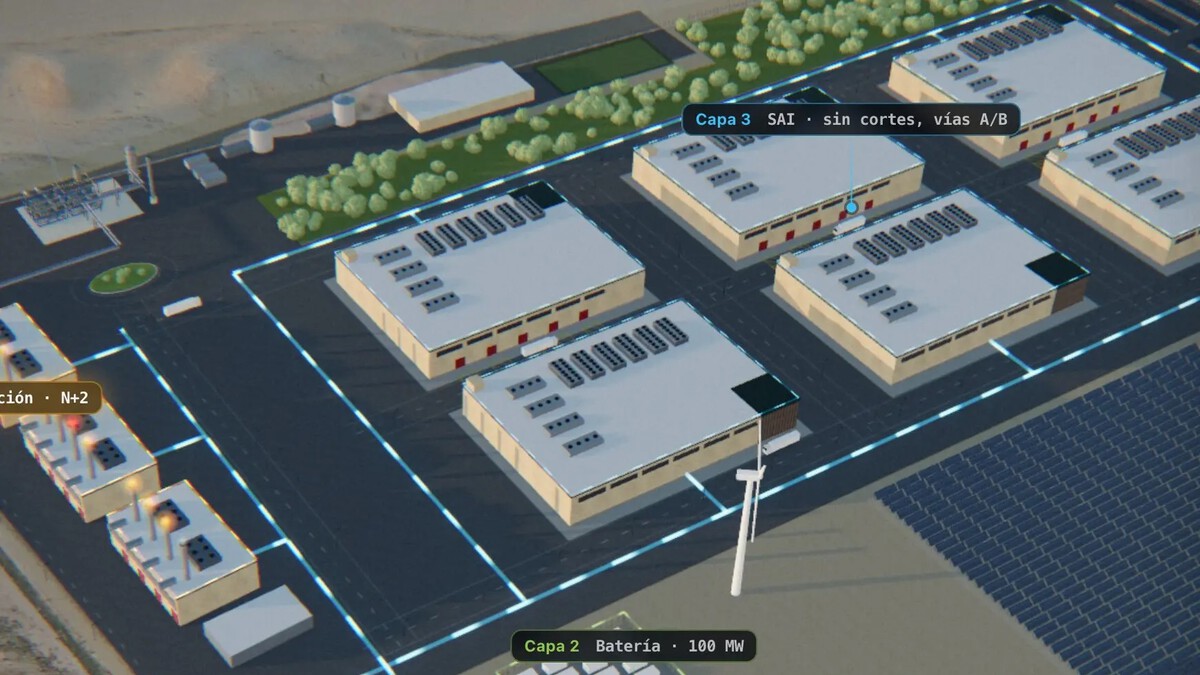
This is Krolmap's second venture in the province; it already has a project of up to 150 MW in Villanueva de Gállego, where it has purchased over 20,000 square meters and also plans self-generation.
How Would CO2 Cooling Work?
CO2 cooling uses carbon dioxide as a refrigerant, an alternative to traditional hydrofluorocarbons (HFCs) that have high global warming potential. CO2 is considered a more environmentally friendly option because it has a lower greenhouse gas impact if leaked.
However, CO2 cooling systems operate at high pressures and require specific infrastructure, which can be more expensive and complex to maintain. The project claims to use "total cooling with CO2," but no technical details have been released.
Why Grid Independence Matters
Data centers are notorious for their massive energy consumption, often straining local grids. By opting for grid independence, the Belchite project aims to avoid placing additional burden on the electrical network.
But the reliance on three gas plants for backup power raises questions about carbon emissions. The cogeneration component, which captures waste heat for reuse, could improve efficiency, but the overall environmental impact remains under scrutiny.
What's Known and What's Not
While the cooling method and power strategy are outlined, many critical details are missing. No tenant, supplier, or financial partner has been named, and the renewable capacity is not public.
Moreover, according to UNITNAVE, the project does not appear in official bulletins or an INAGA resolution, meaning it may not have completed the necessary environmental assessments. DCD notes that emissions from cogeneration and the storage needed when renewables fail still need evaluation.
The Controversy and the "Mega Protest"
A "mega protest" is being organized against the project, reflecting growing local opposition to large-scale data center developments. Concerns likely include land use, water consumption, and environmental impact.
This is not the first time data centers have faced backlash; similar projects worldwide have encountered resistance over resource use and transparency. The lack of public information only fuels such tensions. The background to this story is set out in Microsoft Data Center in Zaragoza Faces Neighborhood Backlash. A related thread runs through Google Pauses Multi-Billion Data Center Investment in Spain. Earlier coverage in Datacentre Grid Fees Proposed by Ofgem to Cut Connection Queue shows how the argument developed.
What to Watch Next
Key milestones include the filing of official permits, the release of environmental impact assessments, and the disclosure of financial backers. The outcome of the planned protest could also influence local political support. A closer look at the same subject appears in Aragon Approves Blackstone Data Center with Simplified Environmental Review. Anyone following the wider picture can start with Zaragoza Launches 39 Data Center Courses to Fill Staffing Gap. The same theme surfaces in Spain's Data Center Energy Rule: 80% Renewable Power Required, which takes a different angle.
As the project stands, it remains a bold vision with many unanswered questions. Stakeholders and residents alike will be watching closely to see if Krolmap can deliver on its promises. Context on how this played out before sits in Amazon Pushes Back as Data Center Opposition Grows. A companion piece, Data Center Theft: The Dark Side of the AI Boom, approaches the same subject from another angle.
FAQ
What is CO2 cooling and why is it used in data centers?
Will the Belchite data center be truly grid-independent?
What are the main concerns about the Belchite data center?
Is there a protest planned against the project?
Browse the Shop
 Acacia frida deluxe solid wood bed frame |
Bedroom bench |
Bed chest drawers |
Lingerie dresser |
Frame base |
Mirror with jewelry storage |
30 Bathroom Vanity |
Memory foam queen mattress |
Mattresses for back pain |
Nightstand set of 2 |
Grand Goldman Shop |
Civil Lawyer
Deutschland Trikot WM 2026







