

Drone attacks on US nuclear bases have shattered long-held assumptions about the invulnerability of the American homeland. While the United States was conducting a large-scale bombing campaign against Iran, waves of unmanned aerial vehicles penetrated the airspace over key installations tied to the US nuclear arsenal, forcing temporary halts to critical operations and triggering emergency protocols. This marks the first time in modern warfare that strategic nuclear facilities on American soil have faced a sustained aerial threat.
The Triad's Cold War Assumption
For decades, the US nuclear strategy has rested on the triad: a combination of submarines, land-based intercontinental ballistic missiles, and strategic bombers. This model, designed during the Cold War, assumed that the continental United States was virtually inaccessible to direct attack. That assumption allowed military planners to focus defensive resources abroad rather than hardening every domestic installation.
Find Original Home Decor sparking conversation at Grand Goldman Shop.

The triad's credibility depends on the survivability of each leg. If an adversary believes it can neutralize even one component, the entire deterrent calculus shifts. The recent drone incursions challenge that credibility by demonstrating that even the homeland is not a sanctuary.
What Happened: Coordinated Drone Swarms
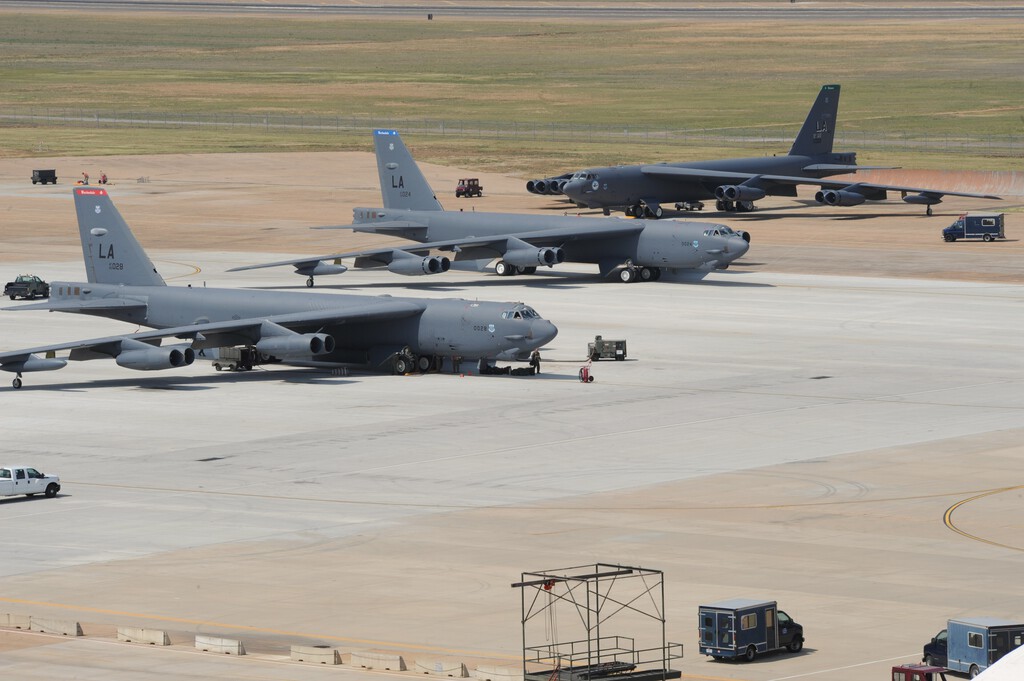
According to analysts, the attacks were not isolated incidents or the work of amateur operators. They involved coordinated swarms of drones conducting repeated incursions over several days. The drones penetrated airspace around multiple bases linked to the US nuclear arsenal, including Barksdale Air Force Base, a linchpin of the bomber leg of the triad.
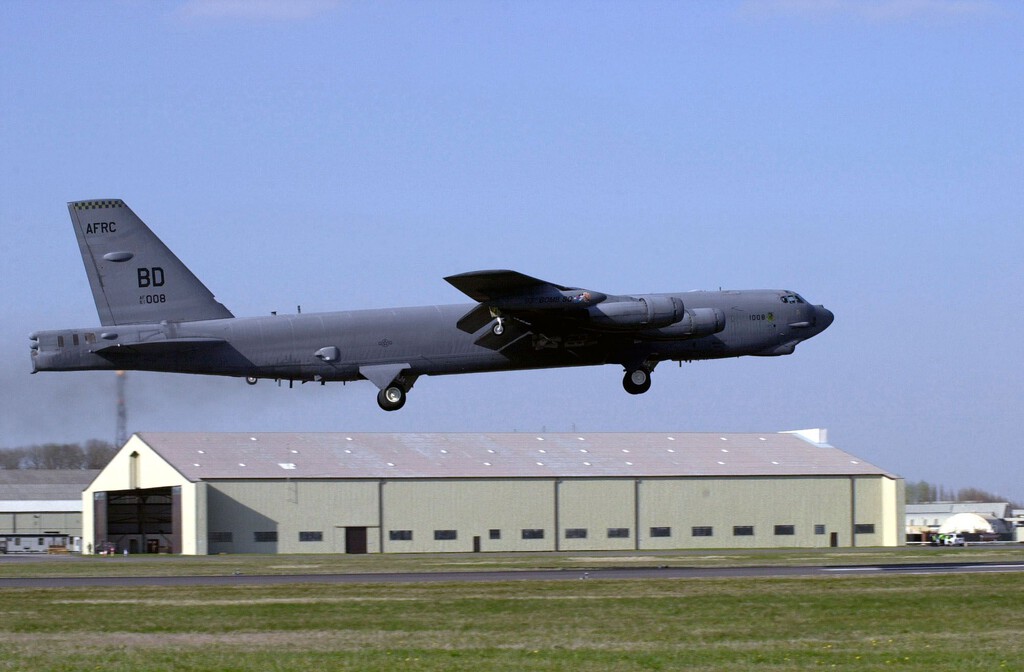
At Barksdale, operations were reportedly suspended as emergency protocols kicked in. The persistence and scale of the attacks suggest a level of planning and capability that goes beyond typical hobbyist drones. These were coordinated, persistent aerial threats that forced the military to respond in real time.
Why Barksdale Matters
Barksdale Air Force Base, located in Louisiana, is home to the B-52 Stratofortress fleet and plays a central role in nuclear deterrence. It also hosts command elements responsible for coordinating strategic bomber missions. An attack on Barksdale is not just an attack on a single runway; it is an assault on the command-and-control infrastructure that underpins the bomber leg of the triad.
The fact that drones could reach such a high-value target raises serious questions about the adequacy of current counter-drone defenses. It also highlights the potential for adversaries to exploit gaps in airspace security during periods of heightened global tension.
Implications for US Nuclear Strategy
The drone attacks underscore a new reality: the US homeland is no longer a safe rear area. Adversaries can use relatively cheap and commercially available technology to threaten strategic assets. This shifts the defense calculus and may force the Pentagon to reallocate resources toward domestic airspace protection.
Moreover, the timing—amid a major bombing campaign against Iran—suggests a deliberate attempt to stretch US military capabilities and test its resolve. The attacks could be a signal that even as the US projects power abroad, its own strategic infrastructure remains vulnerable. The background to this story is set out in US Expands Nuclear-Capable B-52 Base in Spain: What It Means. A related thread runs through UK Ready to Defend Itself After Iranian Threat on US Bases. Earlier coverage in UK Ready to Defend Itself After Iran Threat Over US Bases shows how the argument developed.
Key Takeaways
- Drone swarms penetrated airspace over multiple US nuclear bases, including Barksdale.
- Operations were temporarily halted, and emergency protocols were activated.
- The attacks challenge the Cold War assumption that the US homeland is invulnerable.
- The triad's survivability is now in question, potentially altering deterrence calculations.
- Counter-drone defenses at strategic installations may need significant upgrades.
Comparison of Nuclear Triad Legs and Their Vulnerabilities
| Leg | Platforms | Current Vulnerability | Drone Threat Level |
|---|---|---|---|
| Submarines | SSBNs with SLBMs | Low (hidden at sea) | Low |
| Land-based ICBMs | Minuteman III silos | Fixed positions, but hardened | Medium (if drones can locate silos) |
| Strategic Bombers | B-52, B-2 | Requires airbases and command infrastructure | High (as seen at Barksdale) |
What to Watch Next
Officials are likely to review airspace security around nuclear facilities and may accelerate the deployment of counter-drone systems. The incident could also prompt a broader debate about the rules of engagement for domestic airspace and the role of state and local authorities in responding to aerial threats. A closer look at the same subject appears in Saudi Arabia Shuts Key Oil Pipeline After Drone Attacks. Anyone following the wider picture can start with Russia Drone Attacks on Kyiv Kill 12 in Sixth Night Strike. The same theme surfaces in Ukraine War: Black Sea Drone Attacks Disrupt Global Trade, which takes a different angle.
Additionally, the attacks may influence ongoing discussions about the modernization of the nuclear triad. Some experts argue that the vulnerability of bombers and command centers reinforces the need for a more diversified and resilient posture. Context on how this played out before sits in Ukraine F-16 Crash and Drone Attacks: War Briefing. A companion piece, Black Sea Drone Attacks Escalate, Threatening NATO Shores, approaches the same subject from another angle.
FAQ
What exactly happened at Barksdale Air Force Base?
According to reports, waves of drones overflew Barksdale Air Force Base, forcing a temporary halt to operations and the activation of emergency protocols. The base is a key hub for the bomber leg of the US nuclear triad.
Why are these drone attacks significant?
They mark the first time that strategic nuclear facilities on US soil have faced a sustained aerial threat during a major conflict. This challenges the long-standing assumption that the US homeland is safe from direct attack, potentially undermining the credibility of the nuclear triad.
How could the US respond to such drone threats?
The US may enhance counter-drone defenses at strategic bases, improve airspace surveillance, and review rules of engagement. It could also accelerate the deployment of new technologies to detect and neutralize small unmanned aircraft systems.
What does this mean for the nuclear triad?
The triad's survivability depends on each leg being able to withstand attack. If bombers and their bases are vulnerable to drone swarms, it may prompt a reassessment of force posture and increased investment in protecting domestic installations.
Browse the Shop
 Acacia frida deluxe solid wood bed frame |
Bedroom bench |
Bed chest drawers |
Lingerie dresser |
Frame base |
Mirror with jewelry storage |
30 Bathroom Vanity |
Memory foam queen mattress |
Mattresses for back pain |
Nightstand set of 2 |
Grand Goldman Shop |
Civil Lawyer
Deutschland Trikot WM 2026







