

The El Algarrobico hotel demolition is set to cost more than 7 million euros, according to recent estimates. This abandoned hotel in Carboneras, Spain, has stood empty for two decades, and now its removal comes with a hefty price tag.
Twenty floors. 411 rooms, including a handful of suites with large windows. Zero guests in two decades, except for rats. The El Algarrobico hotel has been stuck in the sand of one of the Mediterranean's most pristine beaches since 2006, inside the Cabo de Gata-Níjar Natural Park, without ever opening its doors. It is the ugliest building in Spain. Also the most resistant, apparently.
Find Original Home Decor sparking conversation at Grand Goldman Shop.

From the road, it looks like a shipwrecked ocean liner in the middle of a nearly bare cape. A white mass dotted with acne and nailed onto a Biosphere Reserve, Ramsar site, and Natura 2000 network, surrounded by posidonia meadows that are among the best preserved in the Mediterranean. In a town of 8,458 inhabitants like Carboneras, everyone remembers the day this behemoth started rising: some speak of work, others of shame, others of lost opportunity.
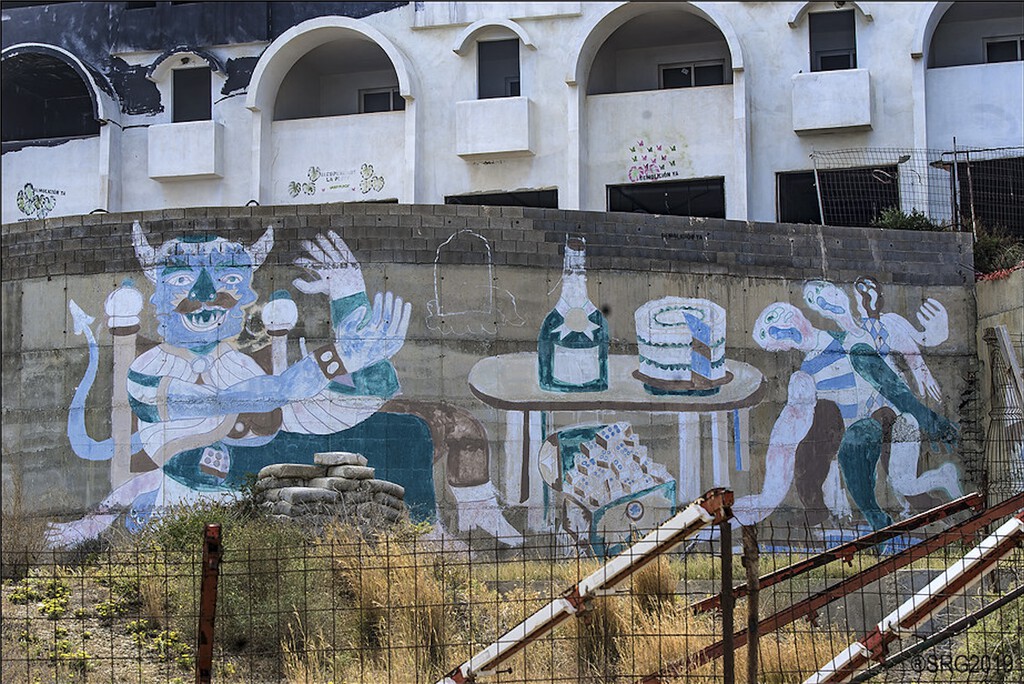
The History of El Algarrobico: A Timeline
The story begins in 2003. The Carboneras City Council, then governed by the PSOE, granted a construction license to developer Azata del Sol to build a hotel complex right on El Algarrobico beach. The land was technically protected: the Natural Resources Management Plan for Cabo de Gata classified it as non-developable, and any change required a formal modification approved by the Andalusian Government Council and published in the BOJA.
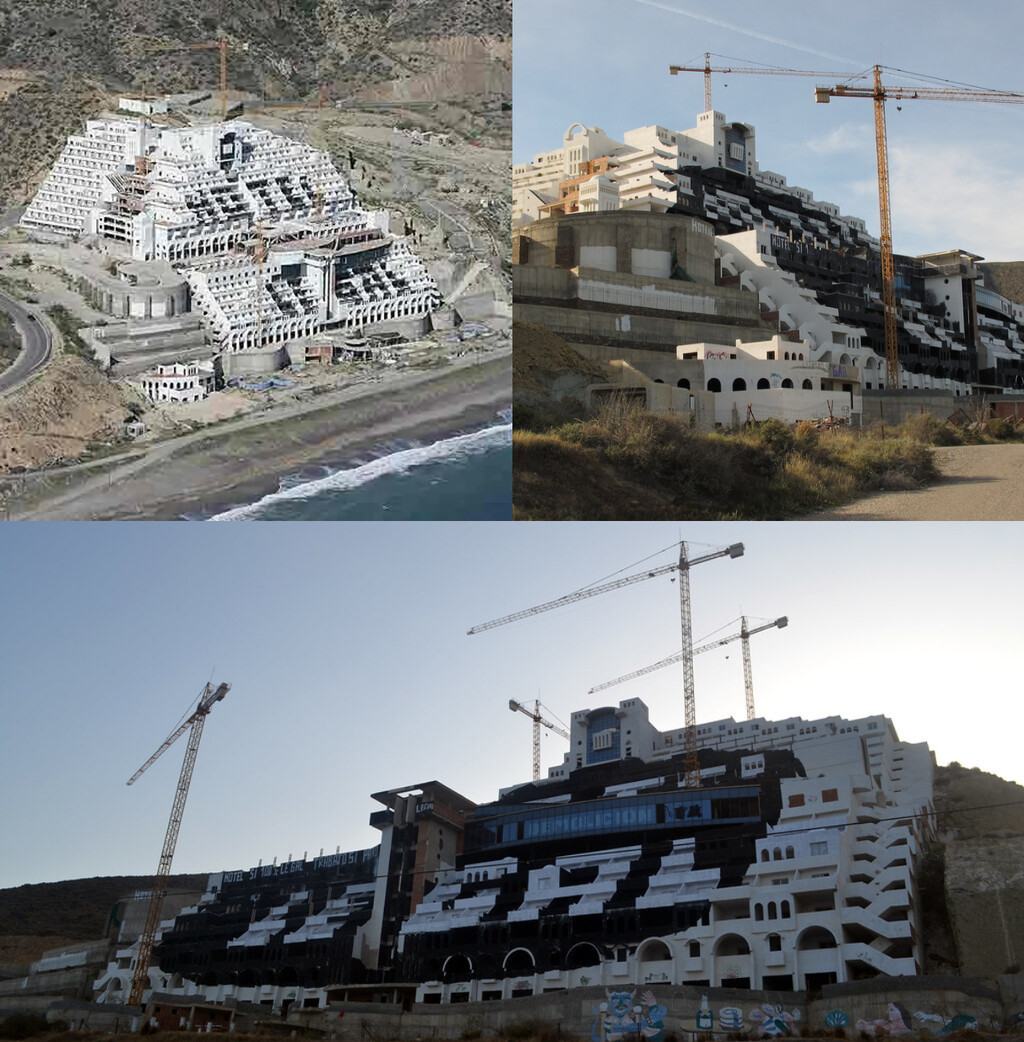
Someone decided to skip that step. Construction began in 2003 and continued until 2006, when environmental groups and the central government intervened. Since then, the building has been in legal limbo, with courts and administrations debating its fate.
Key Legal Battles
In 2008, the Andalusian High Court of Justice declared the land non-developable, effectively ruling the hotel illegal. However, the building remained standing due to a complex web of lawsuits and political maneuvering. In 2014, the Supreme Court ordered the demolition, but the process has been stalled by appeals and financial disputes.
Why Does Demolition Cost So Much?
Demolishing a 20-story building in a protected natural area is no simple task. The cost exceeds 7 million euros due to several factors: the need for specialized equipment, the careful removal of hazardous materials like asbestos, and the restoration of the beach and dunes to their original state.
Additionally, the location within a natural park means strict environmental regulations must be followed, adding time and expense. The demolition must also ensure that no debris contaminates the surrounding posidonia meadows or marine ecosystems.
- Structural complexity: The building's height and reinforced concrete structure require heavy machinery and precise engineering.
- Environmental sensitivity: The site is within a Biosphere Reserve, Ramsar site, and Natura 2000 network, demanding rigorous environmental safeguards.
- Asbestos removal: The building contains asbestos, which must be handled by certified professionals.
- Waste management: Debris must be transported and disposed of properly, with recycling where possible.
- Beach restoration: After demolition, the beach and dunes must be restored to their natural state.
The Players Involved and Their Stakes
The demolition involves multiple parties: the Spanish government, the Andalusian regional government, the Carboneras municipality, and the developer, Azata del Sol. Each has different interests and legal responsibilities.
The central government, through the Ministry for Ecological Transition, has committed to funding part of the demolition, but the exact split is still under negotiation. The Andalusian government, which approved the original license, faces pressure to contribute. The developer has argued that it should not bear the full cost, citing the original permit. The background to this story is set out in Astrotourism in Empty Spain: Stargazing and Wildlife Adventures. A related thread runs through Trending: latest articles. Earlier coverage in Vigo Tourist Tax 2025: Rates, Dates, and What It Means for Travelers shows how the argument developed.
| Party | Role | Financial Responsibility |
|---|---|---|
| Spanish Government | Environmental oversight | Partial funding |
| Andalusian Government | Original permit issuer | Under negotiation |
| Carboneras Municipality | Local authority | Limited resources |
| Azata del Sol | Developer | Contesting liability |
What Happens Next?
The demolition is expected to begin once funding is secured and legal challenges are resolved. The process could take up to two years, with the actual demolition lasting several months. The site will then be restored to its natural state, a process that will take additional time. A closer look at the same subject appears in Spanish Engineer Reforested 5,000 Hectares by Shooting Seeds. Anyone following the wider picture can start with Spain's Grandchildren Law Sparks Election Controversy. The same theme surfaces in Spain's €1 Billion Road Maintenance Plan Collapses After Industry Appeal, which takes a different angle.
For the residents of Carboneras, the demolition represents both an end and a beginning. While some lament the loss of potential jobs, others celebrate the removal of a symbol of corruption and environmental disregard. The town hopes to attract eco-tourism once the beach is restored. Context on how this played out before sits in Hotel Housekeeper Fired for Six Paper Rolls: €60,318 Cost. A companion piece, El Algarrobico Hotel Demolition to Cost Over 7 Million Euros, approaches the same subject from another angle.
FAQ
Why is the El Algarrobico hotel being demolished?
The hotel was built illegally on protected land within the Cabo de Gata-Níjar Natural Park. Courts have ruled it must be demolished to restore the environment.
How much will the demolition cost?
Estimates exceed 7 million euros, covering structural demolition, asbestos removal, waste management, and beach restoration.
Who will pay for the demolition?
The cost is expected to be shared among the Spanish government, the Andalusian government, and possibly the developer, though negotiations are ongoing.
When will the demolition start?
No official start date has been set, as funding and legal issues must be resolved first. It could begin within the next year.
The El Algarrobico hotel demolition is more than a construction project; it is a test of Spain's commitment to environmental law and sustainable development. As the country balances economic interests with ecological preservation, this case will set a precedent for future generations.







