

France will regain administrative control of Pheasant Island (Isla de los Faisanes) from Spain on August 1, continuing a peaceful condominium arrangement that has rotated every six months since the 19th century. The tiny, uninhabited islet sits in the Bidasoa River between Irun and Hendaye, and its handover is one of Europe's most unusual symbols of peace.
What Is Pheasant Island and Why Does It Change Hands?
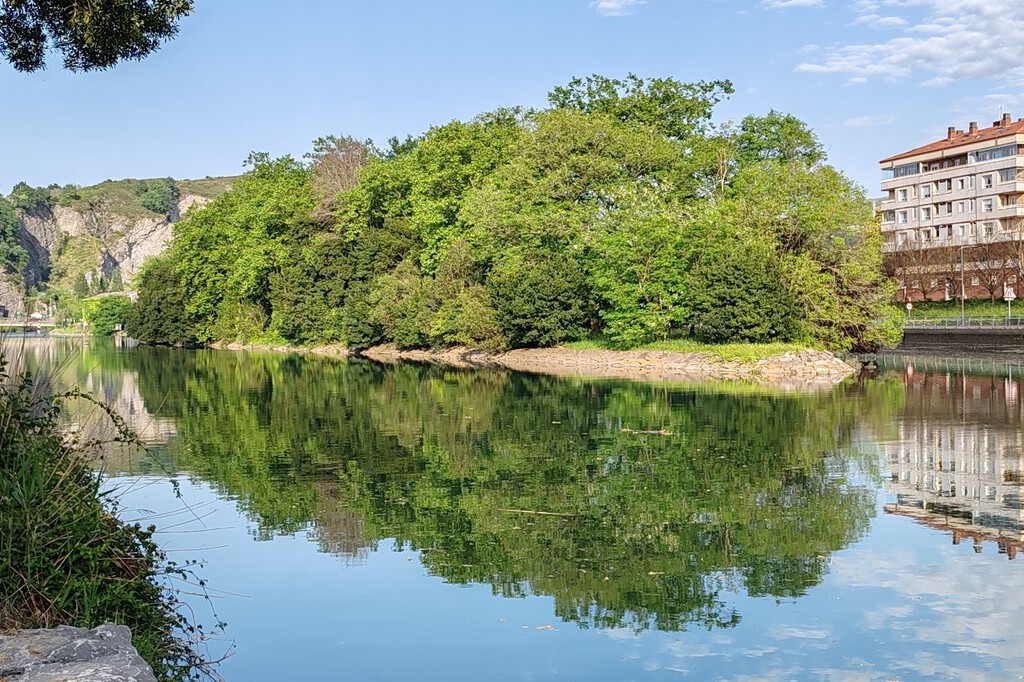
Pheasant Island is a small, uninhabited islet in the Bidasoa River, which forms part of the border between France and Spain. Measuring between 130 and 200 meters long and covering roughly 2,000 to 6,800 square meters depending on the river's flow, it has no permanent residents and remains closed to the public for most of the year.
Find Original Home Decor sparking conversation at Grand Goldman Shop.

Despite its size, the island holds significant historical weight. It is governed under a condominium agreement—a shared sovereignty arrangement—that dates back to the 17th century. Since the 19th century, the administration has rotated between France and Spain every six months, with France taking over on August 1 and Spain on February 1.
How the Handover Works
The transfer is automatic and entirely peaceful. No treaties are renegotiated, and no military presence is involved. Instead, the change is a simple administrative rotation: the French authorities assume responsibility for the island's upkeep and any minor maintenance for the next six months.
This ritual has been repeated with near-clockwork precision for over 150 years. It is a far cry from the fierce competition seen on football pitches when Spain and France meet in major tournaments.
The Historical Significance of Pheasant Island
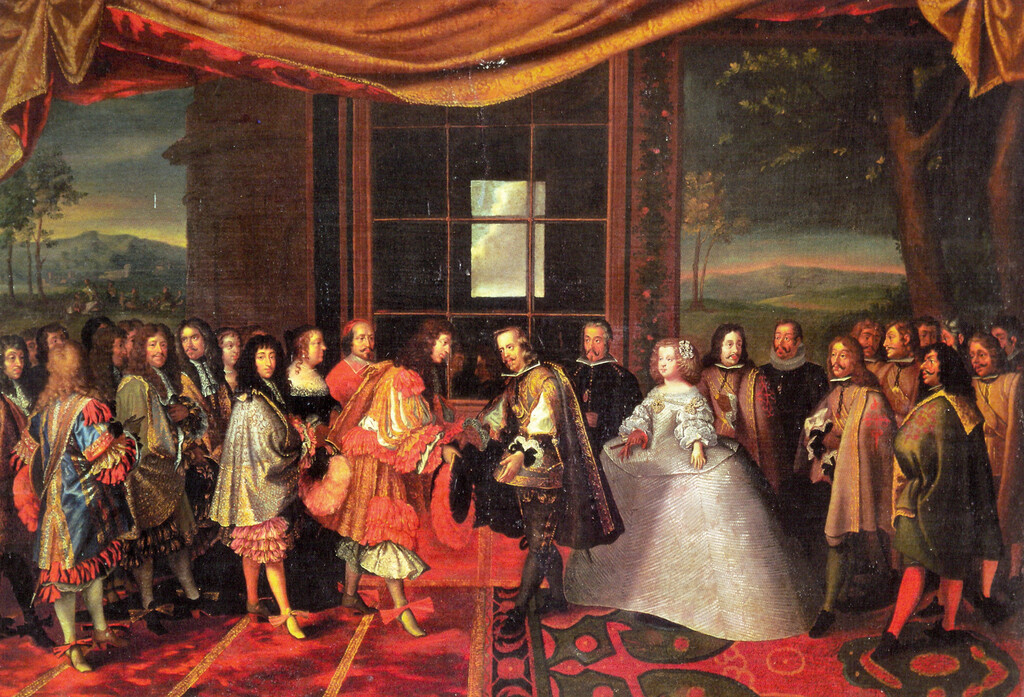
The island's role as a diplomatic meeting point goes back centuries. It was on Pheasant Island that the Treaty of the Pyrenees was signed in 1659, ending the Franco-Spanish War. The agreement also included the marriage of Louis XIV of France to Maria Theresa of Spain.
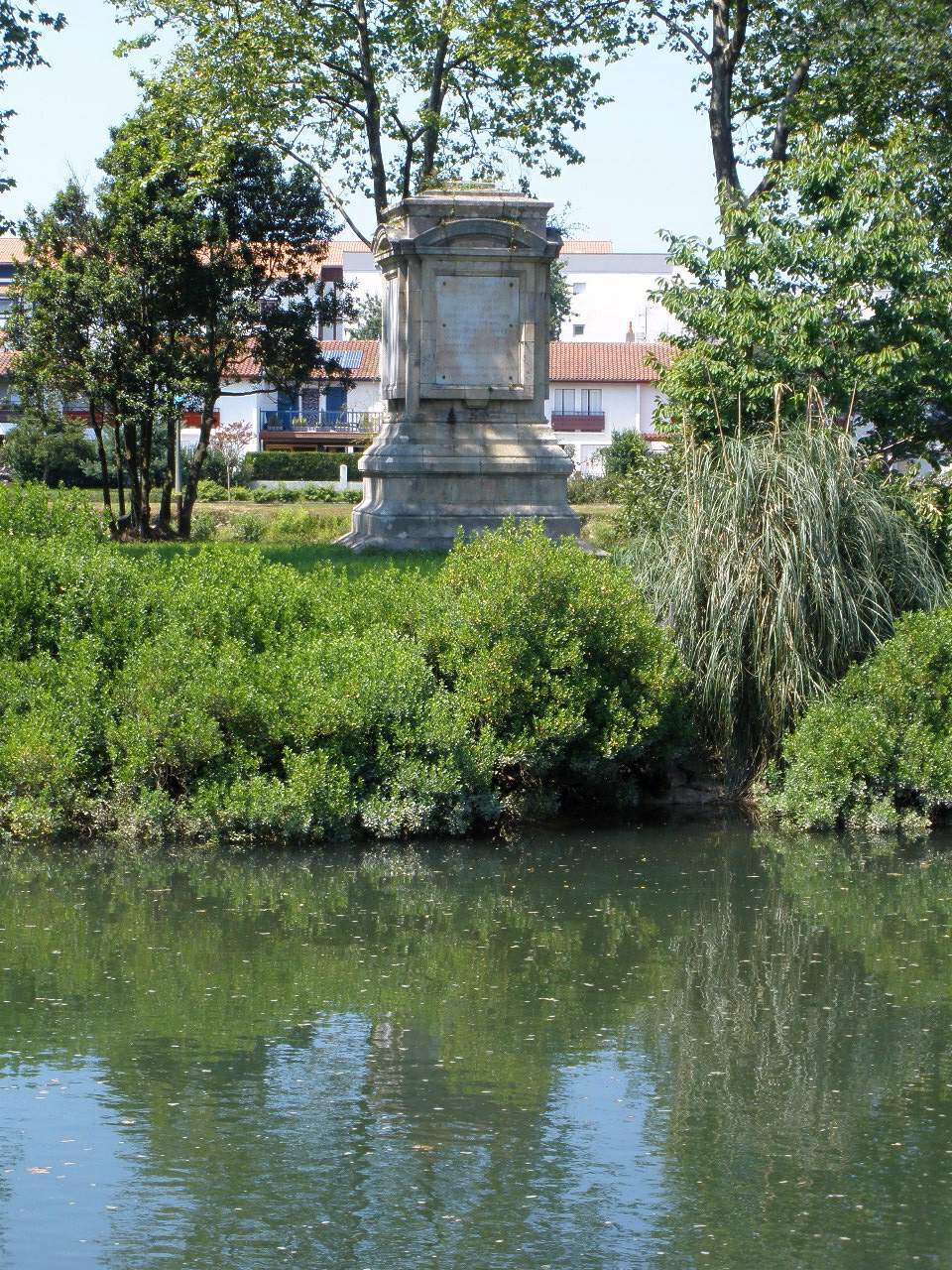
To commemorate the event, a monument was erected on the island, and the site has been used for royal and diplomatic encounters ever since. The six-month rotation was formalized in the 19th century and has continued without interruption.
Why the Island Remains Uninhabited
Pheasant Island is not open to the public except on rare occasions. Its status as a condominium means that neither country has full sovereignty, and both are responsible for its conservation. The island is prone to flooding, and its size fluctuates with the river's current. The longer history behind the story is traced in France to Regain Pheasant Island from Spain on August.
Over the years, various proposals have been made to develop the island, but none have come to fruition. Its primary function today is symbolic: a reminder of the peaceful coexistence between two neighboring nations. The background to this story is set out in France Wildfires: 200,000 Evacuated as Blazes Rage. A related thread runs through Condominium Rodent Control: What the Law Requires. Earlier coverage in Condominium Rodent Control: How Professional Deratting Works shows how the argument developed.
What This Means for France and Spain
While the handover is unlikely to make headlines, it represents a unique form of cooperation. In a world where borders are often contested, Pheasant Island stands as a testament to diplomacy and shared governance. A closer look at the same subject appears in France and Spain Wildfires: Thousands Flee as Temperatures. Anyone following the wider picture can start with France Megafire: Heroes Battle Blaze and Rebuild. The same theme surfaces in Trending: latest articles, which takes a different angle.
For France, the August 1 transfer is a small consolation if the national football team were to lose to Spain in a major competition. But beyond sports, it underscores a lasting friendship between the two countries. Context on how this played out before sits in Iberian Lynx Spotted in Basque Country After a Century. A companion piece, Northern Spain's Drought Crisis: Trucked Water in Cantabria and Basque Country, approaches the same subject from another angle.
Key Takeaways
- Pheasant Island is a condominium shared by France and Spain, with administration rotating every six months.
- France will regain control on August 1, 2025, while Spain took over on February 1.
- The island is uninhabited and measures between 130 and 200 meters long.
- The rotation has occurred since the 19th century, following the Treaty of the Pyrenees in 1659.
- The island is closed to the public and serves mainly as a symbol of peaceful cooperation.
Pheasant Island at a Glance
| Feature | Details |
|---|---|
| Location | Bidasoa River, between Irun (Spain) and Hendaye (France) |
| Length | 130–200 meters |
| Area | 2,000–6,800 square meters (varies with river flow) |
| Population | Uninhabited |
| Administration | Rotates every six months: France (Aug 1–Jan 31), Spain (Feb 1–Jul 31) |
| Historical Significance | Site of the Treaty of the Pyrenees (1659) |
FAQ
What is Pheasant Island?
Pheasant Island is a small, uninhabited islet in the Bidasoa River on the border between France and Spain. It is governed as a condominium, with administration rotating between the two countries every six months.
Why does France take over on August 1?
The rotation schedule has been in place since the 19th century. France assumes administration from August 1 to January 31, while Spain manages the island from February 1 to July 31.
Can tourists visit Pheasant Island?
The island is generally closed to the public. It is uninhabited and only accessible on rare occasions, such as guided tours or special events.
What is the historical importance of Pheasant Island?
The island was the site of the signing of the Treaty of the Pyrenees in 1659, which ended the Franco-Spanish War and included the marriage of Louis XIV to Maria Theresa of Spain.
Browse the Shop
 Acacia frida deluxe solid wood bed frame |
Bedroom bench |
Bed chest drawers |
Lingerie dresser |
Frame base |
Mirror with jewelry storage |
30 Bathroom Vanity |
Memory foam queen mattress |
Mattresses for back pain |
Nightstand set of 2 |
Grand Goldman Shop |
Civil Lawyer
Deutschland Trikot WM 2026







