

French artisan cheese recipes, perfected over centuries, are now under threat from drought and heat waves that have forced the country to relax strict production rules for its most famous protected cheeses. The logic is simple: less rain means less forage, yellowed meadows, and less grass to feed livestock. To cope, authorities have decided to loosen the stringent standards that producers of Beaufort and Comté must meet under their protected designation of origin (DOP). The big question is whether this will affect quality.
Why Drought Is a Problem for French Cheese
France, like other countries including Spain, protects its most prestigious foods and drinks with protected designations of origin (DOP). These certificates guarantee that wines, cheeses, ciders, meats, and other products sold under popular names (such as Bordeaux wine) meet certain quality requirements. For cheeses like Comté, Beaufort, Abondance, or Rocamadour, the DOP seal certifies that artisans have followed strict grazing rules that regulate how and where livestock are fed. For example, Abondance rules require that in summer at least 50% of the feed must come from regional pastures. The problem is: how do you meet that percentage when drought and heat waves have parched the land?
Find Original Home Decor sparking conversation at Grand Goldman Shop.

What the Relaxed Rules Mean
The French government has temporarily eased some of these requirements to help farmers cope with feed shortages. This means producers may be allowed to use alternative feed sources or adjust grazing practices without losing their DOP status. The move is a lifeline for farmers facing hay shortages and rising costs, but it raises concerns about the authenticity and quality of the cheeses that consumers know and love.
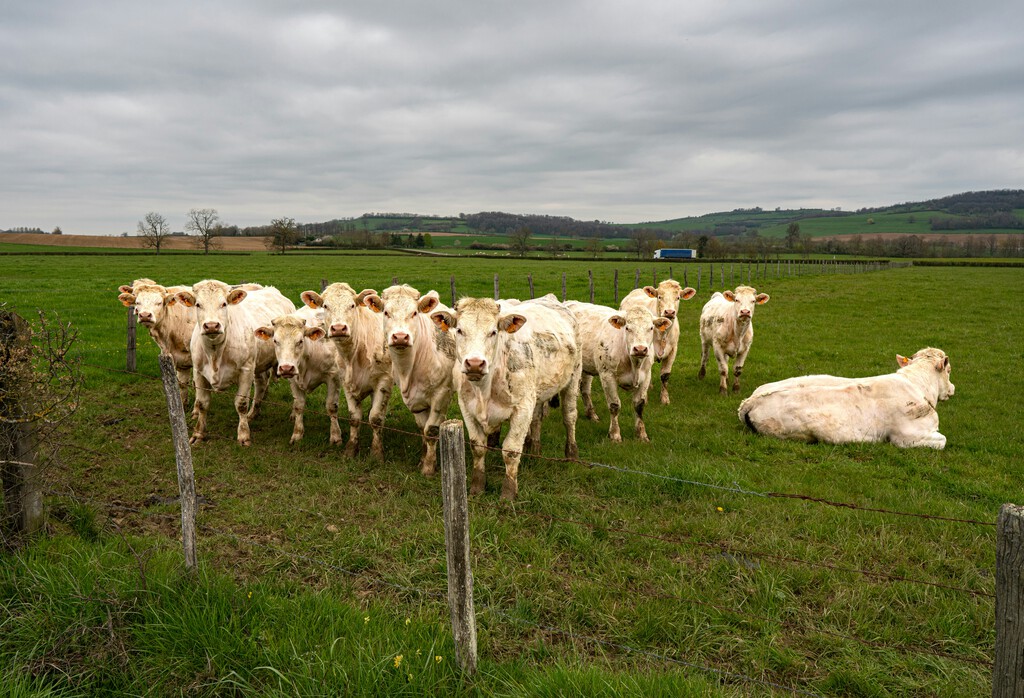
For now, the changes are meant to be temporary, but the underlying climate challenges are not going away. As droughts become more frequent, the country may need to rethink how it defines traditional cheesemaking.
How DOP Rules Protect Cheese Quality
DOP rules are designed to preserve the link between a product and its region. They specify everything from the breed of cattle to the type of pasture and the minimum aging period. For Comté, for instance, cows must graze on mountain pastures in summer and eat hay from the same area in winter. These rules give the cheese its distinctive flavor and texture, and they support local ecosystems and rural economies.
Relaxing them, even temporarily, could dilute those characteristics. If cows eat more imported feed or spend less time on pasture, the milk composition may change, affecting taste and quality. However, some experts argue that short-term adjustments won't drastically alter the final product, especially if the core practices remain intact.
The Impact on Farmers and Consumers
For farmers, the relaxed rules provide immediate relief. Without them, many would struggle to feed their herds and could face financial ruin. The drought has already reduced hay yields and driven up feed prices, squeezing margins. By allowing more flexibility, the government helps keep farms afloat and maintains production levels. The longer history behind the story is traced in Europe's Drought Exposes Hunger Stones Warning of Famine.
For consumers, the changes may be less visible. The cheese will still carry the DOP label, but its flavor might vary slightly from year to year. Some purists worry that this erodes the very meaning of protected designation. Others see it as a necessary adaptation to a changing climate. The background to this story is set out in Aligot Recipe: Creamy French Mashed Potatoes with Cheese. A related thread runs through Bacon and Cheese Quiche Recipe: Easy French Classic. Earlier coverage in Baked Camembert: Warm French Cheese Appetizer with Honey = 58 shows how the argument developed.
What to Watch Next
The long-term future of French artisan cheese depends on how the industry adapts to climate change. Possible strategies include developing drought-resistant forage crops, improving water management, and adjusting DOP rules permanently to allow for greater flexibility. There may also be a push to support farmers with subsidies or insurance against extreme weather. A closer look at the same subject appears in Blue Cheese Sauce Recipe: Creamy French Classic Ready Fast. Anyone following the wider picture can start with Cheese Pie, Seed Crackers & Prawn Rolls: Easy Filo Recipes. The same theme surfaces in Spinach and Cheese Omelette Recipe: Spanish Classic, which takes a different angle.
Consumers can play a role by continuing to buy DOP cheeses and supporting local producers. Awareness of the challenges facing the industry can also drive demand for sustainable practices. As the climate shifts, the centuries-old recipes of French cheese may need to evolve, but with careful management, their essence can be preserved. Context on how this played out before sits in Spanish Omelette Recipe: Ham and Cheese Stuffed Classic. A companion piece, Chicken Alambre Recipe: Easy Mexican Skillet with Cheese, approaches the same subject from another angle.
FAQ
Why is drought affecting French cheese production?
Drought reduces the amount of grass and forage available to feed livestock, making it harder for farmers to meet the strict grazing requirements of protected designation of origin (DOP) rules. This has forced authorities to relax some standards to help producers.
What are DOP rules and why do they matter?
DOP (protected designation of origin) rules are regulations that ensure a product's quality and authenticity are tied to its geographic origin. For cheeses like Comté and Beaufort, they specify grazing practices, feed sources, and production methods to preserve traditional characteristics.
Will the relaxed rules change the taste of my favorite cheese?
It's possible that the taste may vary slightly if feed sources change, but the core practices are still maintained. Many experts believe the impact will be minimal in the short term, though the long-term effects depend on how the industry adapts.
What can consumers do to support French cheesemakers?
Consumers can continue to buy DOP cheeses and support local producers. Being aware of the challenges and advocating for sustainable practices can also help ensure the future of traditional cheesemaking.
Browse the Shop
 Acacia frida deluxe solid wood bed frame |
Bedroom bench |
Bed chest drawers |
Lingerie dresser |
Frame base |
Mirror with jewelry storage |
30 Bathroom Vanity |
Memory foam queen mattress |
Mattresses for back pain |
Nightstand set of 2 |
Grand Goldman Shop |
Civil Lawyer
Deutschland Trikot WM 2026







