

Fresh Kills, once the largest landfill on the planet, is now undergoing a remarkable transformation from a towering mountain of garbage into a sprawling natural landscape. For over half a century, this site on Staten Island received New York City's residential waste, growing into artificial hills that rivaled the Manhattan skyline in scale. Now, the city is sealing those hills and covering them with prairies, turning the former dump into a park three times the size of Central Park.
From Wetlands to World's Largest Landfill
Fresh Kills did not start as a monstrosity. In 1948, New York City began using the marshes and wetlands of Staten Island as a temporary landfill, part of plans by urban planner Robert Moses to fill the land for future development. But the temporary became permanent: by 1955, it was considered the world's largest landfill, and as other city dumps closed, Fresh Kills absorbed nearly all of New York's residential trash.
Find Original, High-end Home Decor that spark conversation at Grand Goldman Shop.
At its peak between 1986 and 1987, up to 29,000 tons of waste entered the site each day. Over its 53-year operation, Fresh Kills accumulated about 150 million tons of garbage across 8.9 square kilometers. The last regular barge of waste arrived on March 22, 2001, marking the end of an era.
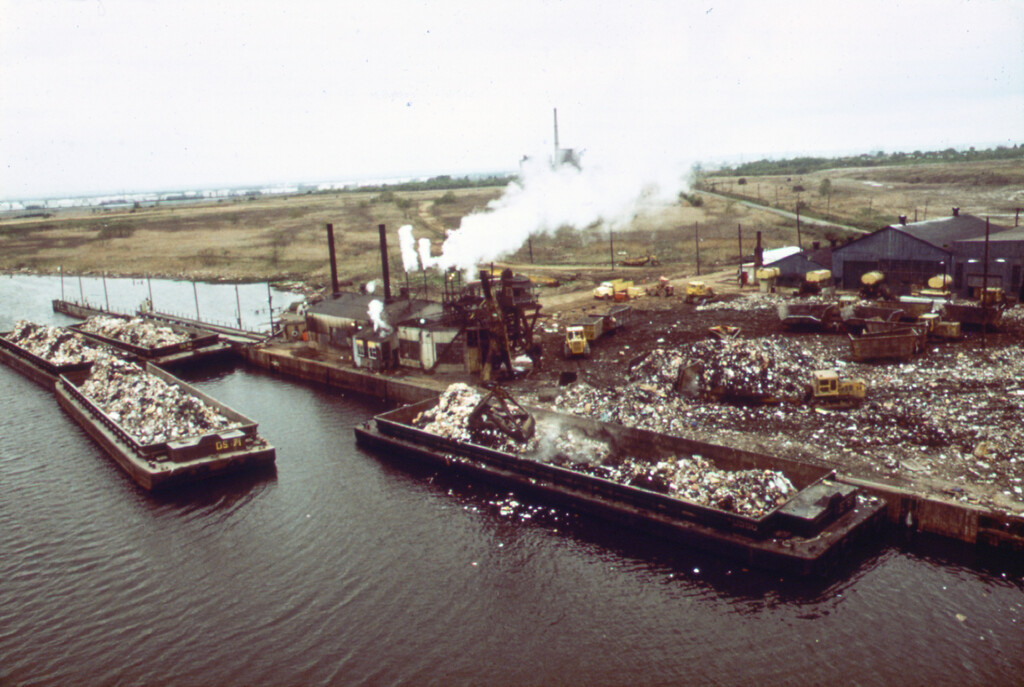
The Four Artificial Hills
Fresh Kills grew into a landscape of four artificial hills, each formed by decades of compacted waste. These mounds, some rising over 100 feet, became a visible reminder of the city's consumption. The closure of the landfill in 2001 was not the end but the beginning of a new chapter.
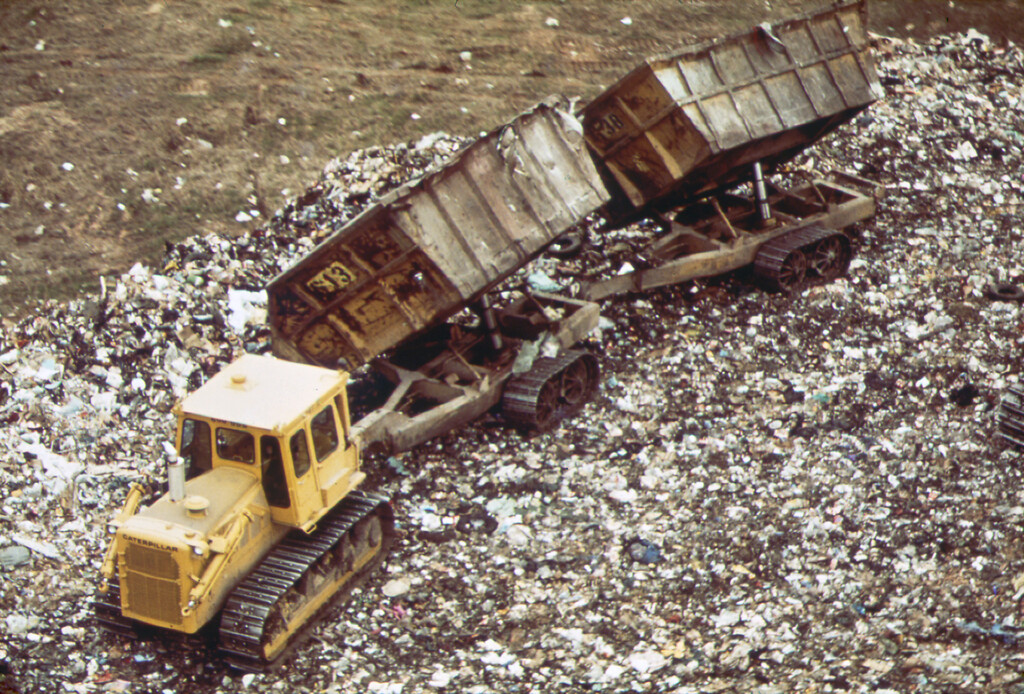
The transformation project, led by the New York City Department of Parks and Recreation, involves capping the waste with a protective liner, layering clean soil on top, and planting native grasses and trees. This process ensures that the waste is safely contained while creating a new ecosystem.
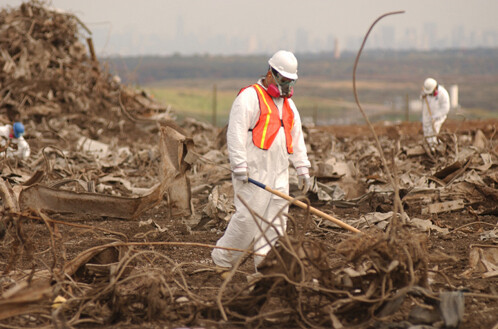
Engineering a Safe and Sustainable Park
Converting a landfill into a park is a complex engineering feat. The cap system prevents water from entering the waste, which could create leachate, a toxic liquid. Instead, rainwater is diverted, and methane gas is collected and either flared or used for energy. The soil layer supports vegetation that helps stabilize the surface and prevent erosion. Context on how this played out before sits in Fresh Kills: New York's 53-Year Landfill Becomes a Massive Park.
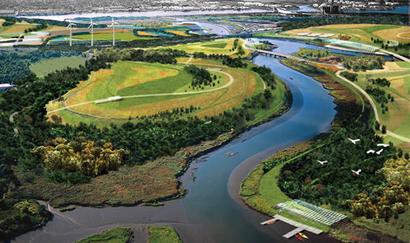
The park's design also incorporates wetlands and waterways, restoring some of the natural features that existed before the landfill. This approach not only creates habitat for wildlife but also provides recreational opportunities for visitors. The background to this story is set out in Jed York Arrest Exposes America's Inequality Divide. A related thread runs through Trending: latest articles.
What the Transformation Means for New Yorkers
For residents of Staten Island, Fresh Kills was long a source of frustration and embarrassment. The conversion offers a chance to reclaim the land and boost local pride. The park will feature trails, sports fields, and cultural spaces, making it a valuable community asset. Earlier coverage in WLTP Range and Consumption Explained for EV Buyers in 2026 shows how the argument developed. A closer look at the same subject appears in Choosing a Fiber and Mobile Plan Now Depends on Streaming Too.
On a broader scale, the project demonstrates how cities can address environmental challenges with innovative solutions. It serves as a model for other urban areas dealing with closed landfills and brownfields. Anyone following the wider picture can start with Android Auto: What It Is, How It Works, and How to Connect. The same theme surfaces in Student Spends Four Hours Making AI Presentation Look Human, which takes a different angle.
Key Takeaways
- Fresh Kills operated for 53 years and received up to 29,000 tons of waste daily.
- The landfill accumulated about 150 million tons of garbage over 8.9 square kilometers.
- The site is being transformed into a park three times the size of Central Park.
- Engineering solutions include capping, soil layering, and methane collection.
- The project aims to restore wetlands and provide recreational space for the community.
Comparison: Fresh Kills Then and Now
| Aspect | During Operation (1948-2001) | After Transformation (Ongoing) |
|---|---|---|
| Primary Use | Landfill for NYC residential waste | Public park and nature reserve |
| Area | 8.9 square kilometers | About 2,200 acres (8.9 km²) |
| Daily Waste Intake | Up to 29,000 tons | None |
| Total Waste Accumulated | 150 million tons | Sealed and capped |
| Environmental Impact | Odor, methane emissions, leachate | Controlled methane, restored habitats |
FAQ
What is Fresh Kills?
Fresh Kills is a former landfill on Staten Island, New York, that operated from 1948 to 2001. It was once the largest landfill in the world, receiving up to 29,000 tons of waste per day. Now it is being transformed into a public park.
How big will the new park be?
The park will cover about 2,200 acres, which is three times the size of Central Park. It will include trails, sports fields, and natural areas.
How is the landfill being made safe?
The waste is being capped with a protective liner and layers of clean soil. Methane gas is collected, and rainwater is diverted to prevent leachate. Native plants are being introduced to stabilize the surface.
When will the park be fully open?
The transformation is being phased over several decades. Some sections are already open to the public, while others are still under construction. Full completion is expected in the 2030s.
The Fresh Kills project is a testament to New York City's ability to reinvent itself. As the park grows, it will offer residents a new connection to nature and a powerful example of environmental restoration. To stay updated on similar urban developments, keep an eye on local news and city planning announcements.
Browse the Shop
 Acacia frida deluxe solid wood bed frame |
Bedroom bench |
Bed chest drawers |
Lingerie dresser |
Frame base |
Mirror with jewelry storage |
30 Bathroom Vanity |
Memory foam queen mattress |
Mattresses for back pain |
Nightstand set of 2 |
Grand Goldman Shop |
Civil Lawyer
Deutschland Trikot WM 2026







