

Germany's voluntary military service has inadvertently triggered a surge in conscientious objectors, with thousands of young people filing paperwork to avoid bearing arms. The new law, aimed at boosting recruitment for the Bundeswehr, has instead revived a constitutional right that had been dormant for years.
What Happened: A Surge in Conscientious Objectors
In the first six months of this year alone, more applications for conscientious objector status were filed than in all of 2025. This surge even surpasses the numbers from 2011, the year compulsory military service was abolished. The Bundesrat's new voluntary military service law, intended to increase troop numbers, has had an unexpected side effect: a boom in young people declaring themselves conscientious objectors.
Find Original Home Decor sparking conversation at Grand Goldman Shop.

Why It Matters: The Bundeswehr's Recruitment Goals
The German government aims to grow the Bundeswehr from its current 184,000 active-duty soldiers to between 255,000 and 270,000 by 2035. The voluntary service law was designed to help achieve this target. However, the rise in conscientious objectors suggests that many young people are reluctant to serve, even voluntarily. This could undermine the government's plans and complicate the future of Germany's military strategy. The background to this story is set out in Young Germans Opt Out of Military Service as Berlin Boosts Army. A related thread runs through US Military Bases in UK: Why Servicemen Avoid British Justice. Earlier coverage in South Korea Football Stars Military Service Exemption Debate shows how the argument developed.
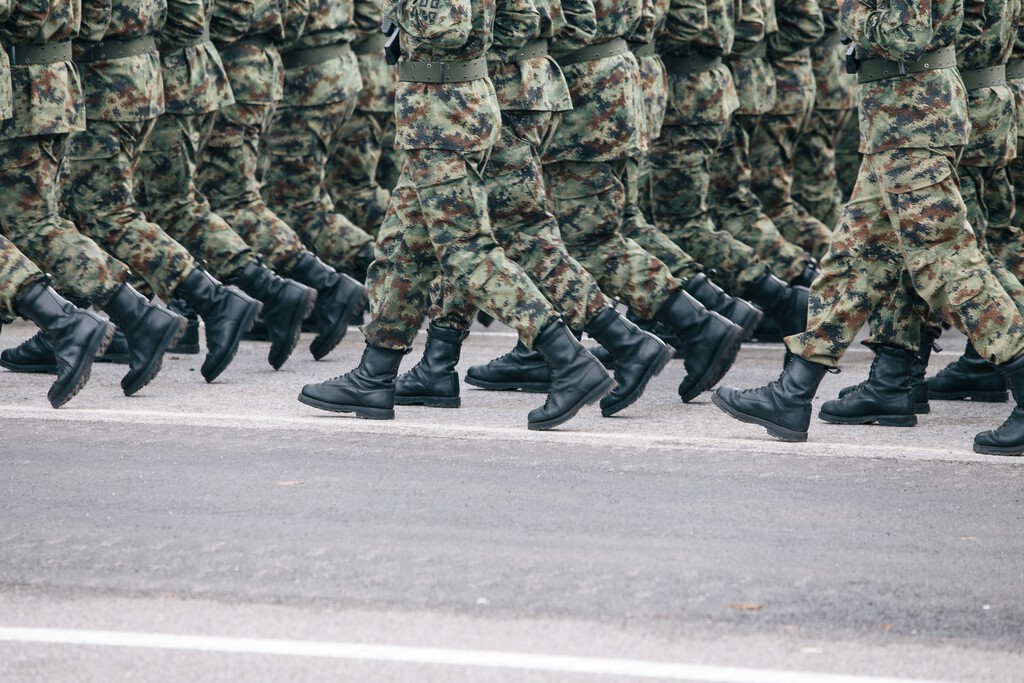
Who Is Affected: Young People and the Armed Forces
The surge in conscientious objectors primarily affects young adults who are eligible for military service. By filing for conscientious objector status, they exercise their constitutional right not to bear arms. This trend also impacts the Bundeswehr, which may struggle to meet its recruitment targets if the number of objectors continues to rise. A closer look at the same subject appears in Why Germany Has No Rugby Culture: History and Insights. Anyone following the wider picture can start with US Military Justice in UK: Why Servicemen Avoid British Courts. The same theme surfaces in Far Right Normalisation in Germany Threatens Democracy, which takes a different angle.
What to Watch Next: The Future of Voluntary Military Service
It is still too early to determine whether Germany's voluntary military service will succeed. Up-to-date recruitment data is needed to assess its effectiveness. However, the current trend indicates that the path to a larger Bundeswehr may be more challenging than the government anticipated. The rise in conscientious objectors could force policymakers to reconsider their approach to military recruitment. Context on how this played out before sits in Trending: latest articles. A companion piece, Japan's Military Shift: Vietnam Partnership for Defense Tech, approaches the same subject from another angle.
Key Takeaways
- Germany's voluntary military service law has led to a surge in conscientious objectors.
- More applications were filed in the first half of this year than in all of 2025.
- The surge surpasses numbers from 2011, when compulsory service ended.
- The government aims to increase troop numbers to 255,000-270,000 by 2035.
- The trend could hinder recruitment efforts and military planning.
Comparison: Conscientious Objector Applications Over Time
| Year | Applications (approx.) | Context |
|---|---|---|
| 2011 | High | Compulsory military service abolished |
| 2025 | Lower | Before new voluntary service law |
| First half of current year | Higher than all of 2025 | After new law introduced |
FAQ
What is conscientious objector status?
Conscientious objector status allows individuals to refuse military service based on their conscience or beliefs. In Germany, it is a constitutional right that exempts them from bearing arms.
Why are more young people applying for conscientious objector status?
The new voluntary military service law may have prompted young people to preemptively secure their right to refuse armed service. Many are choosing to file applications to avoid potential future obligations.
How does this affect Germany's military recruitment?
The surge in conscientious objectors could reduce the pool of potential recruits, making it harder for the Bundeswehr to reach its target of 255,000-270,000 soldiers by 2035.
Is military service mandatory in Germany?
No, Germany abolished compulsory military service in 2011. The new law introduces a voluntary service, but conscientious objection remains a constitutional right.
Browse the Shop
 Acacia frida deluxe solid wood bed frame |
Bedroom bench |
Bed chest drawers |
Lingerie dresser |
Frame base |
Mirror with jewelry storage |
30 Bathroom Vanity |
Memory foam queen mattress |
Mattresses for back pain |
Nightstand set of 2 |
Grand Goldman Shop |
Civil Lawyer
Deutschland Trikot WM 2026







