

Heatstroke bracelets are gaining attention as a practical tool to protect outdoor workers from extreme heat, and Japan has been a pioneer in deploying this technology. As summer temperatures soar above 40°C in many cities, the need for effective heat safety measures has never been more urgent.
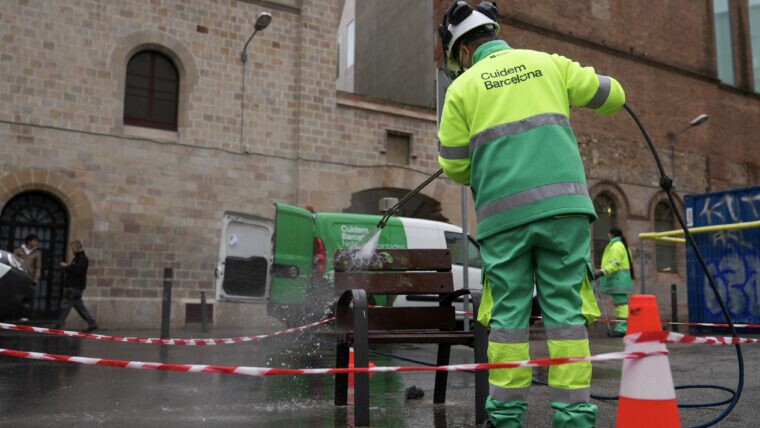
Recently, Barcelona took a page from Japan's playbook, distributing 1,400 thermal bracelets to street cleaners, lighting technicians, and gardeners. This move comes after a tragic incident in 2023 when a cleaning worker died after collapsing at home following a shift in 35°C heat. The city hopes the bracelets will prevent similar tragedies.
Find Original Home Decor sparking conversation at Grand Goldman Shop.

What Are Heatstroke Bracelets?
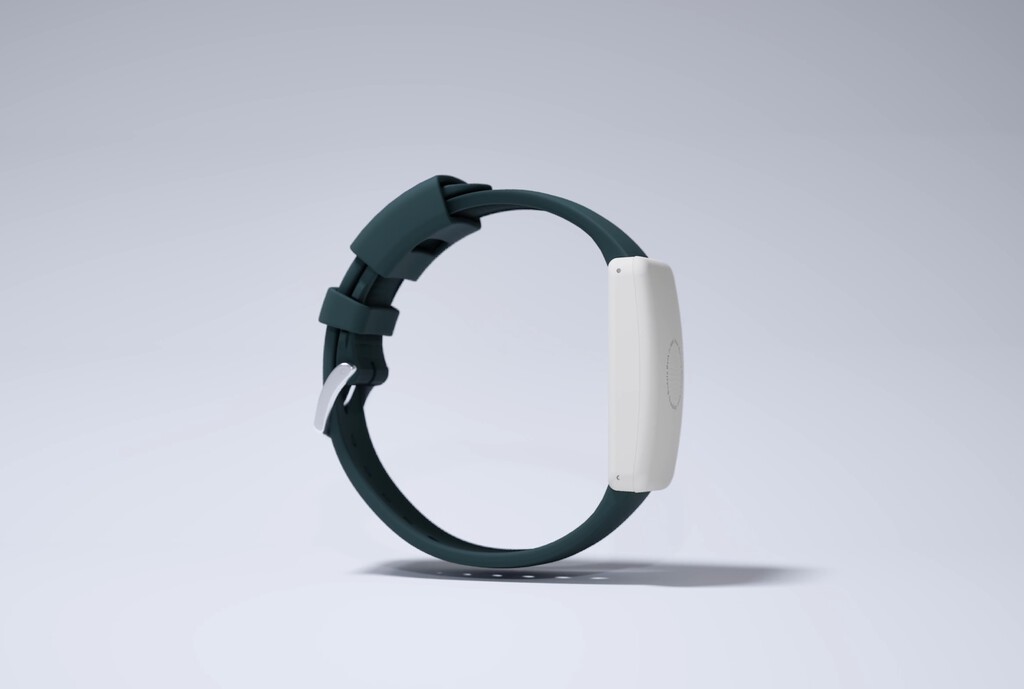
Heatstroke bracelets are wearable devices that monitor physiological indicators to predict and alert users about potential heatstroke risk. They typically measure heart rate, skin temperature, and humidity, using algorithms to assess the body's heat stress level. When the risk becomes high, the bracelet vibrates or sends a notification to the wearer and sometimes to a central monitoring system.
In Japan, these devices have been adopted by construction companies, delivery services, and municipal workers. The technology is part of a broader effort to combat heat-related illnesses, which have been increasing due to climate change.
How Do They Work?
Most heatstroke bracelets use a combination of sensors and machine learning to estimate core body temperature and hydration levels. They can detect early signs of heat exhaustion, such as rising heart rate and skin temperature, before symptoms become severe. Some models also include GPS tracking and fall detection, making them valuable for lone workers.
The data collected can be used to improve work practices, such as scheduling breaks and adjusting workloads. For employers, this means better protection for their staff and reduced liability.
Why Barcelona Is Testing Heatstroke Bracelets
Barcelona's decision to trial heatstroke bracelets is a response to growing concerns about worker safety during heatwaves. The city's streets can become ovens in summer, and workers who spend hours outdoors are at high risk. The tragic death of Montserrat Aguilar in 2023 highlighted the dangers and sparked a debate about working conditions.
In addition to the bracelets, Barcelona has implemented other measures: adjusting gardeners' schedules in summer to avoid peak heat, providing cooling stations, and ensuring access to water. The bracelets are seen as a complementary tool that empowers workers to take action when they feel unwell.
The pilot program will run through the summer, and the city will evaluate its effectiveness before deciding whether to expand it to other departments.
Key Benefits of Heatstroke Bracelets for Workers
- Early warning: Alerts wearers before heatstroke occurs, allowing them to seek shade and hydration.
- Data-driven safety: Provides objective data to employers for better scheduling and break policies.
- Peace of mind: Workers feel more secure knowing their health is monitored.
- Scalability: Can be deployed across large teams and integrated with existing safety protocols.
These benefits make heatstroke bracelets an attractive option for municipalities and companies looking to protect their workforce.
Comparing Heatstroke Bracelets with Traditional Measures
Traditional heat safety measures include providing water, scheduling breaks, and issuing heat warnings. While these are essential, they rely on self-reporting and may not catch early signs of heat stress. Heatstroke bracelets offer continuous monitoring and immediate feedback.
| Feature | Heatstroke Bracelets | Traditional Measures |
|---|---|---|
| Continuous monitoring | Yes | No |
| Real-time alerts | Yes | No |
| Cost | Moderate to high | Low |
| Worker empowerment | High | Moderate |
| Data collection | Yes | No |
While the initial investment may be higher, the potential to save lives and reduce healthcare costs makes heatstroke bracelets a worthwhile consideration.
What to Watch Next in Heat Safety Technology
As heatwaves become more frequent and intense, the demand for innovative heat safety solutions will grow. Japan continues to refine its heatstroke bracelets, with newer models featuring longer battery life and more accurate sensors. Other countries are watching closely. The background to this story is set out in Japan's Cruelly Hot Days: 40°C Heat Wave Survival Tips. A related thread runs through Heatwave Child Safety: Protect Kids in Extreme Heat. Earlier coverage in Heat Dome Safety: Protect Yourself from Extreme US Temperatures shows how the argument developed.
Barcelona's pilot will provide valuable data on real-world effectiveness. If successful, it could inspire other European cities to adopt similar measures. Meanwhile, workers' unions are calling for broader protections, including mandatory heat safety training and access to cooling equipment. A closer look at the same subject appears in Farm Worker Heatstroke: Safety Failures and Accountability. Anyone following the wider picture can start with Heat Dome Safety: Protect Vulnerable Groups During Extreme Heat. The same theme surfaces in Record Heat Endangers Workers as Federal Safety Rules Frozen, which takes a different angle.
The key will be to ensure that technology complements, rather than replaces, basic safety practices. Heatstroke bracelets are a promising tool, but they are not a silver bullet. Employers must still prioritize hydration, rest, and shade. Context on how this played out before sits in Japan's 'Cruelly Hot Day' Hits 40°C: Heatstroke Deaths Rise. A companion piece, Plimsoll Line: Samuel Plimsoll's Legacy for Worker Heat Safety, approaches the same subject from another angle.
FAQ
What are heatstroke bracelets and how do they work?
Heatstroke bracelets are wearable devices that monitor physiological signs like heart rate and skin temperature to predict heatstroke risk. They alert the wearer when the risk is high, allowing them to take preventive action.
Are heatstroke bracelets effective in preventing heatstroke?
Studies and field tests in Japan have shown that heatstroke bracelets can help reduce heat-related incidents by providing early warnings. However, their effectiveness depends on proper use and integration with other safety measures.
Where can I buy heatstroke bracelets?
Heatstroke bracelets are available from specialized safety equipment suppliers and online retailers. Many are designed for industrial use, but consumer versions are also emerging.
What other measures can prevent heatstroke in outdoor workers?
In addition to bracelets, measures include scheduling work during cooler hours, providing frequent water breaks, creating shaded rest areas, and training workers to recognize early symptoms.
Browse the Shop
 Acacia frida deluxe solid wood bed frame |
Bedroom bench |
Bed chest drawers |
Lingerie dresser |
Frame base |
Mirror with jewelry storage |
30 Bathroom Vanity |
Memory foam queen mattress |
Mattresses for back pain |
Nightstand set of 2 |
Grand Goldman Shop |
Civil Lawyer
Deutschland Trikot WM 2026







