

Ibiza's housing crisis has reached a shocking extreme: people are sleeping rough in cemeteries, according to a report by ElDiario. The news, also covered by the local newspaper of Ibiza, highlights a growing social emergency on the island known for its luxury villas and exclusive resorts.
In the cemetery of Sant Jordi, in the municipality of Sant Josep de sa Talaia, homeless individuals have been found spending the night on the ground, storing their belongings in empty burial niches. This stark reality underscores the severe lack of affordable housing that affects even those with jobs.
Find Original, High-end Home Decor that spark conversation at Grand Goldman Shop.
Homelessness in Ibiza: A Growing Crisis
Cáritas estimates that at least 200 people are homeless in Ibiza. Among them are individuals who have employment but cannot afford a room or an apartment due to exorbitant rental prices. The situation has deteriorated to the point where the local council has decided to close the cemeteries of Sant Jordi and Sant Francesc at night.
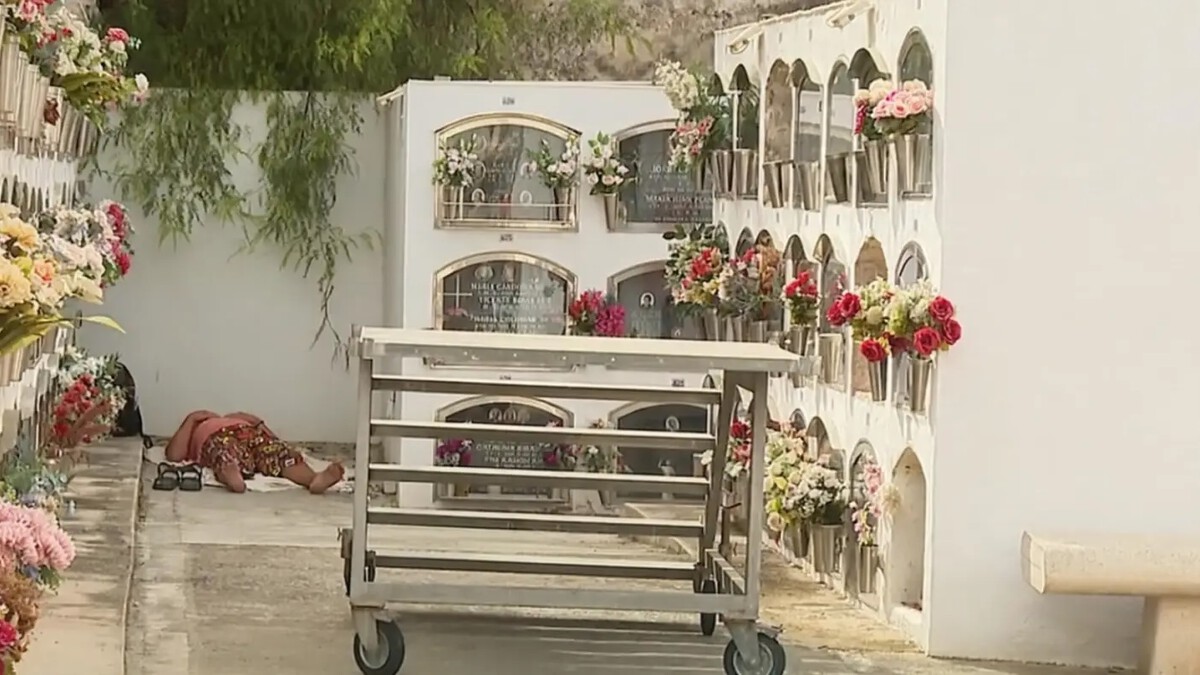
This measure prevents people from sleeping among the graves, but it does not solve the underlying problem: where will those without homes go? The closure is a temporary fix that fails to address the root causes of the housing crisis.
From Caravans to Cemeteries: The Evolution of a Crisis
Before the cemeteries, there were caravans, vans, rural plots, abandoned buildings, and makeshift settlements. These were inhabited by seasonal workers, service industry employees, public workers, and residents priced out of the conventional rental market. The authorities responded with evictions, citing safety issues, urban planning violations, and environmental risks.
This summer alone, 41 fines of €30,000 each have been imposed under the Balearic Islands' Rural Land Law of 1997 and the 2024 Control Law. These fines target those living in unauthorized dwellings, but they do little to provide alternatives for people who simply have nowhere else to go.
Who Is Affected by Ibiza's Housing Crisis?
The crisis affects a broad cross-section of society. It's not just the unemployed or marginalized; it includes workers who are essential to the island's economy. Teachers, nurses, hospitality staff, and even public servants are struggling to find affordable housing.
Many are forced to live in substandard conditions, overcrowded apartments, or even their cars. The lack of affordable housing also makes it difficult for businesses to attract and retain staff, which can have long-term economic consequences for the island.
Key Takeaways
- At least 200 people are homeless in Ibiza, according to Cáritas.
- Some homeless individuals have jobs but cannot afford housing.
- The local council has closed cemeteries at night to prevent sleeping among graves.
- Authorities have imposed 41 fines of €30,000 each for living in unauthorized rural dwellings.
- The crisis affects a wide range of workers, not just the unemployed.
- Short-term fixes like closures and fines do not address the root causes.
The Role of Luxury Tourism and Real Estate
Ibiza's economy is heavily reliant on tourism, particularly luxury tourism. The demand for high-end accommodations and private villas has driven up property prices and reduced the availability of affordable housing for locals.
Many properties are used as short-term holiday rentals, further limiting the housing supply for residents. This dynamic creates a vicious cycle: workers needed to sustain the tourism industry cannot afford to live on the island, leading to staff shortages and economic strain.
Government Response and Criticism
The government's response has been criticized as inadequate. While fines and evictions may address immediate legal violations, they do not provide solutions for those in need. Critics argue that without measures to increase affordable housing and regulate the short-term rental market, the crisis will only worsen.
The closure of cemeteries is a symbolic failure, highlighting the desperation of those who have been left behind by the island's prosperity. It also raises questions about the social responsibility of a region that markets itself as a paradise for the wealthy. Context on how this played out before sits in Ibiza Housing Crisis Forces Homeless to Sleep in Cemeteries.
Comparison of Housing Costs and Income
| Indicator | Value |
|---|---|
| Estimated homeless population | At least 200 (Cáritas) |
| Fines imposed this summer | 41 fines of €30,000 each |
| Average monthly rent (approximate) | Often exceeds €1,000 for a small apartment |
| Average monthly salary in service sector | Around €1,200-€1,500 |
This table illustrates the gap between housing costs and typical incomes, making it clear why even employed individuals cannot afford a place to live. The background to this story is set out in Trending: latest articles. A related thread runs through Spain's 10% Hospitality VAT Under EU Scrutiny: What It Means.
What to Watch Next
The situation in Ibiza is a warning sign for other tourist destinations facing similar pressures. As the island grapples with this crisis, all eyes are on whether the government will implement effective policies to address affordable housing and prevent further social deterioration. Earlier coverage in Realme 16 Pro 5G Harry Potter Edition: Limited Fan Smartphone shows how the argument developed. A closer look at the same subject appears in Roborock Qrevo 2 ProX Robot Vacuum Drops to $399 at PcComponentes.
For now, the closure of cemeteries is a stark reminder that the housing crisis is not just an economic issue but a humanitarian one. Without urgent action, more people will be forced into precarious living situations, and the social fabric of Ibiza will continue to fray. Anyone following the wider picture can start with Strait of Hormuz Conflict: Daily Life and Impact on Locals. The same theme surfaces in BioWare Closure Marks End of Western RPG Era Under Saudi-Owned EA, which takes a different angle.
FAQ
Why are people sleeping in cemeteries in Ibiza?
People are sleeping in cemeteries because they cannot afford housing. The housing crisis has left at least 200 people homeless, and some have resorted to sleeping among graves in Sant Jordi.
What is the government doing to address the crisis?
The government has imposed fines for unauthorized rural dwellings and closed cemeteries at night. However, these measures do not provide housing solutions for those in need.
Are only unemployed people affected?
No, many affected individuals have jobs but cannot afford the high rents. Workers in essential services like hospitality, healthcare, and education are among those struggling.
How does tourism contribute to the housing crisis?
Luxury tourism drives up property prices and encourages short-term rentals, reducing the availability of affordable housing for residents. This makes it difficult for workers to find homes.
Browse the Shop
 Acacia frida deluxe solid wood bed frame |
Bedroom bench |
Bed chest drawers |
Lingerie dresser |
Frame base |
Mirror with jewelry storage |
30 Bathroom Vanity |
Memory foam queen mattress |
Mattresses for back pain |
Nightstand set of 2 |
Grand Goldman Shop |
Civil Lawyer
Deutschland Trikot WM 2026










