

The M113 armored personnel carrier, a vehicle designed in the 1950s, has emerged as an unlikely key player in the war in Ukraine. While drones and AI dominate headlines, this simple, repairable machine proves that in a war of attrition, reliability often trumps sophistication.
In a conflict where advanced technology captures attention, the M113's resurgence highlights a fundamental truth: sometimes, the simplest solutions are the most effective. Its ability to withstand punishment, be quickly repaired, and return to the front lines has made it indispensable to Ukrainian forces.
Find Original Home Decor sparking conversation at Grand Goldman Shop.

Why the M113 Matters in Modern Warfare
The M113 was originally designed for a different era, but its core qualities—mobility, mechanical simplicity, and ease of production—have made it surprisingly effective in Ukraine. In an environment saturated with drones and artillery, where any vehicle can be destroyed in seconds, the key is not invincibility but rapid repair and return to service.
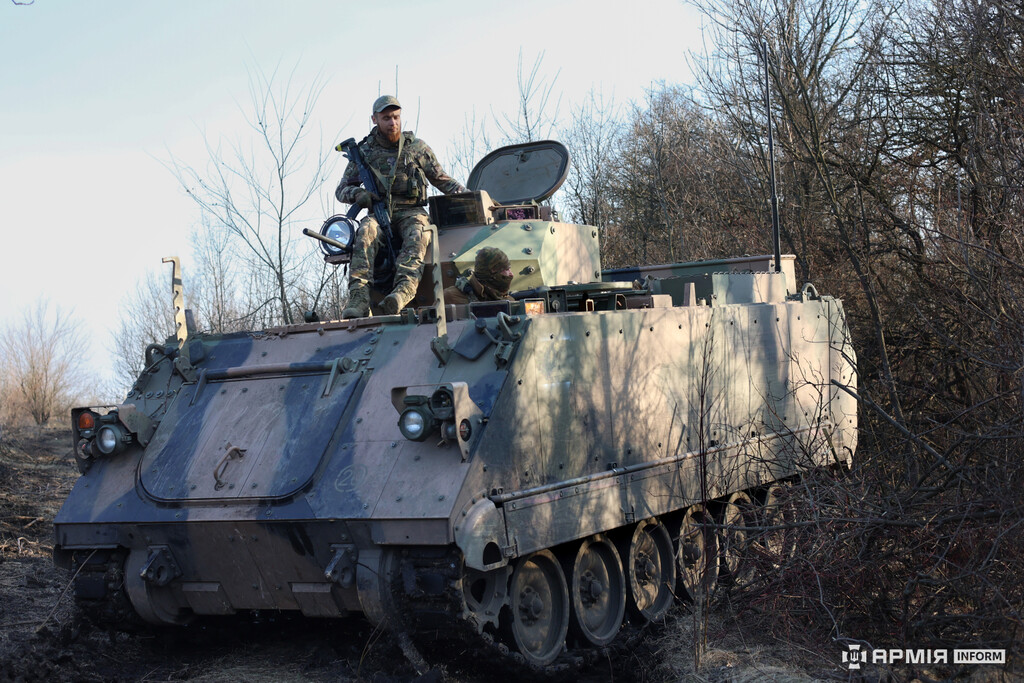
Unlike high-tech systems that require specialized maintenance and long supply chains, the M113 can be fixed with basic tools and common parts. This logistical simplicity allows Ukrainian forces to keep more vehicles operational, sustaining pressure on the battlefield.
Simplicity Beats Complexity
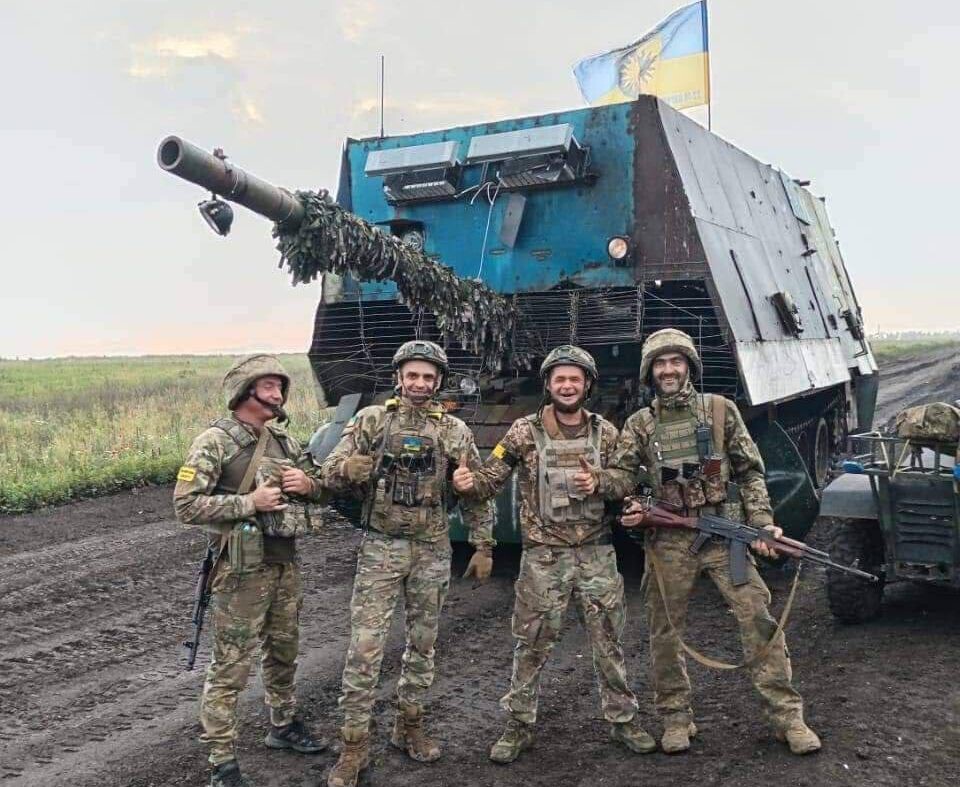
The M113's design prioritizes function over form. Its aluminum hull provides adequate protection against small arms and shrapnel, while its tracked chassis ensures mobility across rough terrain. But its greatest asset is its ease of repair. Damaged units can be cannibalized for parts, and mechanics with minimal training can perform field repairs.
In contrast, modern armored vehicles often rely on complex electronics and specialized armor, making them harder to maintain in austere conditions. The M113's modular design allows for quick swaps of engines, transmissions, and other components, keeping more vehicles in the fight.
Key Advantages of the M113 in Ukraine
- Repairability: Simple mechanics and widely available parts allow rapid return to service.
- Mobility: Tracked chassis handles mud, snow, and rough terrain effectively.
- Versatility: Can be configured for troop transport, medevac, cargo, or weapon platforms.
- Low cost: Cheap to produce and operate compared to modern IFVs.
- Proven reliability: Decades of service in dozens of countries validate its durability.
M113 vs. Modern Armored Vehicles: A Comparison
| Feature | M113 (1950s) | Modern IFV (e.g., Bradley) |
|---|---|---|
| Unit Cost | ~$500,000 | ~$4-5 million |
| Maintenance | Simple, field-repairable | Complex, requires specialists |
| Armor Protection | Basic (aluminum) | Advanced composite armor |
| Mobility | Good off-road | Excellent, but heavier |
| Production Ease | High (simple assembly) | Low (specialized supply chain) |
While modern IFVs offer superior protection and firepower, their complexity and cost make them less sustainable in a prolonged conflict. The M113's cost-effectiveness and ease of production mean that even if losses are high, replacements can be quickly sourced or rebuilt.
The Role of the M113 in Ukraine's Defense
Ukraine has received hundreds of M113s from Western allies, including the United States, Lithuania, and Australia. These vehicles have been used for various roles, from transporting troops to evacuating wounded and carrying supplies. Their versatility allows commanders to adapt them to evolving tactical needs.
In defensive operations, M113s serve as mobile bunkers, providing protected transport to and from frontline positions. In offensive actions, they shuttle reinforcements and ammunition under fire. Their relatively low profile and good mobility make them harder to hit than larger vehicles. The background to this story is set out in Ukraine War Now Longer Than World War I: A New Strategic Era. A related thread runs through Ukraine Iran War Enmeshment Risks Global Security. Earlier coverage in Ukraine Strikes Russian Drone Warehouses: War Update shows how the argument developed.
What This Means for Future Conflicts
The M113's success in Ukraine underscores a broader lesson: in a war of attrition, sustainability and logistics often matter more than cutting-edge technology. As militaries plan for future conflicts, they must balance high-tech capabilities with low-tech reliability. A closer look at the same subject appears in Ukraine War Strikes Wildberries Warehouses: New Phase of Deep. Anyone following the wider picture can start with From Safes to NATO Armored Vehicles: Inside TSD's Rural Success. The same theme surfaces in SAS Afghanistan Inquiry: Personnel Refuse to Answer Questions, which takes a different angle.
This doesn't mean advanced systems are obsolete—drones and precision weapons are crucial—but they must be complemented by platforms that can endure and be rapidly regenerated. The M113's enduring presence on battlefields from Vietnam to Ukraine is a testament to the value of simplicity and robustness. Context on how this played out before sits in Ukraine War: Zelenskyy Condemns Moscow Terror Strikes. A companion piece, Ukraine War Briefing: Russia's Parliamentary Elections in Annexed, approaches the same subject from another angle.
FAQ
What is the M113?
The M113 is an armored personnel carrier developed in the 1950s by the United States. It is a tracked vehicle designed to transport troops and cargo safely across battlefields. Over 80,000 units have been produced, and it remains in service in dozens of countries.
Why is the M113 still used in Ukraine?
The M113 is valued for its simplicity, ease of repair, and low cost. In a war of attrition, the ability to quickly fix damaged vehicles and return them to the front is crucial. Its mechanical simplicity allows field repairs with minimal training, unlike more complex modern vehicles.
How does the M113 compare to modern armored vehicles?
The M113 lacks the advanced armor and firepower of modern IFVs like the Bradley, but it is far cheaper, easier to maintain, and simpler to produce. In sustained combat, these factors can outweigh technological advantages, as the M113 can be rapidly repaired and replaced.
What lessons does the M113 offer for future military planning?
The M113 demonstrates that in prolonged conflicts, sustainability and logistics are as important as advanced technology. Militaries should invest in platforms that are robust, repairable, and cost-effective to complement high-tech systems, ensuring they can endure attrition and keep fighting.
Browse the Shop
 Acacia frida deluxe solid wood bed frame |
Bedroom bench |
Bed chest drawers |
Lingerie dresser |
Frame base |
Mirror with jewelry storage |
30 Bathroom Vanity |
Memory foam queen mattress |
Mattresses for back pain |
Nightstand set of 2 |
Grand Goldman Shop |
Civil Lawyer
Deutschland Trikot WM 2026







