

Malbork Castle, the world's largest brick castle, stands as a monumental testament to medieval engineering and religious ambition. Built in 1274 by the Teutonic Order, this Gothic masterpiece in northern Poland was designed to Christianize the Baltic region and now attracts visitors from around the globe.
What Is Malbork Castle?
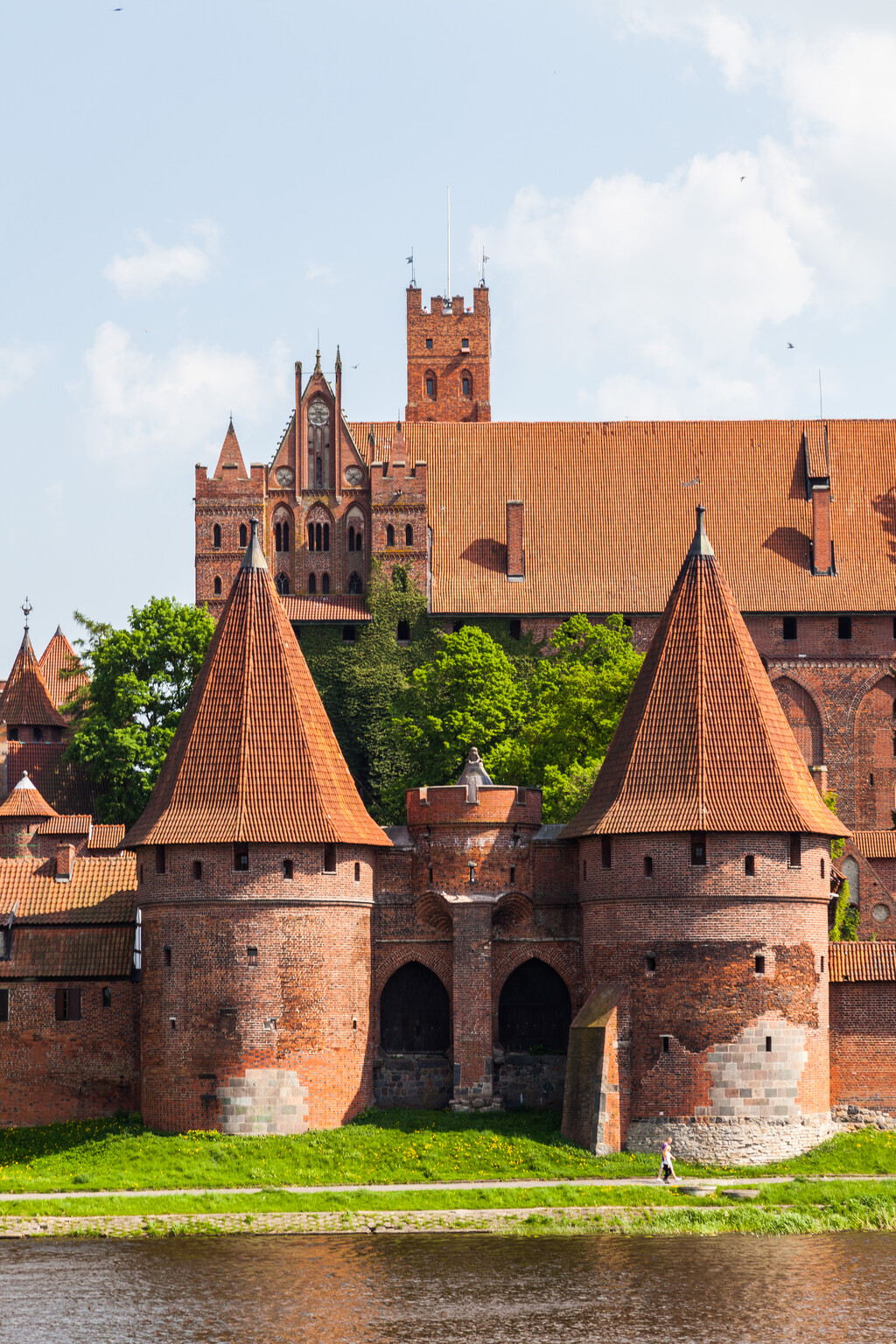
Malbork Castle, known in German as Ordensburg Marienburg, is a sprawling complex located on the southeastern bank of the Nogat River in northern Poland. It is not just a single structure but a massive fortress comprising three distinct castles separated by moats and towers, along with a palace, a monastery, and hundreds of auxiliary buildings.
Find Original Home Decor sparking conversation at Grand Goldman Shop.

Covering an area four times larger than Windsor Castle, Malbork is the largest castle in the world by surface area. Its imposing red-brick walls and intricate Gothic details make it a masterpiece of medieval architecture. In 1997, it was designated a UNESCO World Heritage Site, recognizing its outstanding cultural and historical significance.
History of Malbork Castle
Construction of Malbork Castle began around 1274 under the direction of the Teutonic Knights, a German Catholic religious order of crusaders. The Order was founded in the late 12th century to provide medical care for pilgrims in the Holy Land, but it later evolved into a powerful military force that sought to Christianize the Baltic coast.
The castle served as the Order's headquarters and played a central role in their mission to convert the pagan Prussians and Lithuanians. It reached its peak of splendor in 1406, after more than 130 years of continuous expansion and refinement. The complex was not only a fortress but also an administrative center, a monastery, and a residence for the Grand Master.
Over the centuries, Malbork Castle witnessed numerous conflicts, including the Thirteen Years' War and the Napoleonic Wars. It suffered significant damage during World War II but was meticulously restored by Polish authorities, becoming a symbol of national heritage and resilience.
Architectural Highlights of Malbork Castle
The castle's architecture is a stunning example of Gothic brick construction, characterized by soaring towers, intricate facades, and defensive walls. The complex is divided into three main sections: the High Castle, the Middle Castle, and the Lower Castle.
The High Castle houses the monastery and the chapter house, while the Middle Castle contains the Grand Master's Palace and the Great Refectory. The Lower Castle includes the armory and the Chapel of St. Lawrence. Visitors can explore the labyrinth of corridors, chambers, and courtyards, each revealing a piece of the castle's storied past.
Notable features include the Palace of the Grand Masters, with its exquisite Gothic vaulting and the Summer Refectory, which boasts a stunning star vault. The Chapel of the Blessed Virgin Mary is another highlight, featuring a golden statue of the Virgin and Child.
Key Facts About Malbork Castle
- Location: Malbork, northern Poland, on the Nogat River.
- Built: Started around 1274, reached peak splendor in 1406.
- Size: Largest castle in the world by surface area, four times the size of Windsor Castle.
- UNESCO Status: Designated a World Heritage Site in 1997.
- Original Purpose: Built by the Teutonic Order to Christianize the Baltic region.
- Architecture: Gothic brick, with three separate castles within the complex.
Comparison with Other Famous Castles
To appreciate the scale of Malbork Castle, consider how it compares to other iconic castles around the world. The table below highlights key differences in size, construction, and historical significance. The background to this story is set out in Mount Olympus Joins UNESCO World Heritage List in Greece. A related thread runs through Mount Olympus UNESCO Bid: Greece Seeks World Heritage Status.
| Castle | Location | Built | Size (approx.) | UNESCO Status |
|---|---|---|---|---|
| Malbork Castle | Poland | 1274 | 21 hectares | Yes (1997) |
| Windsor Castle | England | 1070 | 5 hectares | No (part of Royal Estate) |
| Prague Castle | Czech Republic | 880 | 7 hectares | Yes (1992) |
| Alhambra | Spain | 889 | 14 hectares | Yes (1984) |
Why Malbork Castle Matters Today
Malbork Castle is more than a tourist attraction; it is a symbol of medieval power, religious fervor, and architectural ingenuity. It offers insight into the history of the Teutonic Order and their impact on the Baltic region. The castle also serves as a cultural hub, hosting events, exhibitions, and educational programs. Earlier coverage in Trending: latest articles shows how the argument developed. A closer look at the same subject appears in Spain's Crumbling Castles: The Crisis of Unknown Heritage.
For travelers, a visit to Malbork Castle is a journey back in time. The well-preserved structures and informative exhibits provide a vivid picture of life in a medieval fortress. The castle is easily accessible from Gdańsk, making it a perfect day trip. Anyone following the wider picture can start with Sułoszowa: The 700-Year-Old Polish Village on One 9-Kilometer Street. The same theme surfaces in Lebanon War: Modern Drones Target 1,000-Year-Old Castle, which takes a different angle.
FAQ
What is Malbork Castle known for?
Malbork Castle is known as the world's largest brick castle and a masterpiece of Gothic architecture. It was built by the Teutonic Order in the 13th century and is a UNESCO World Heritage Site.
Who built Malbork Castle and why?
The Teutonic Knights, a German Catholic religious order, built Malbork Castle starting around 1274. Their purpose was to Christianize the Baltic region and establish a powerful headquarters.
How long did it take to build Malbork Castle?
Construction began around 1274 and the castle reached its maximum splendor in 1406, taking over 130 years to complete.
Is Malbork Castle the largest castle in the world?
Yes, Malbork Castle is the largest castle in the world by surface area, covering about 21 hectares—four times the size of Windsor Castle.
Browse the Shop
 Acacia frida deluxe solid wood bed frame |
Bedroom bench |
Bed chest drawers |
Lingerie dresser |
Frame base |
Mirror with jewelry storage |
30 Bathroom Vanity |
Memory foam queen mattress |
Mattresses for back pain |
Nightstand set of 2 |
Grand Goldman Shop |
Civil Lawyer
Deutschland Trikot WM 2026







