

Mexico's axolotl banknote has become an unexpected cultural phenomenon, turning a humble amphibian into a national icon and sparking a conservation movement. When the Bank of Mexico (Banxico) introduced the 50-peso note in 2021, few could have predicted that it would capture the hearts of millions and lead to a surge in environmental awareness.
The axolotl, a unique salamander native to the canals of Xochimilco, was once known mainly to scientists and local residents. Now, it's a symbol of Mexican identity and a call to protect its fragile habitat.
Find Original Home Decor sparking conversation at Grand Goldman Shop.

The Axolotl's Journey from Obscurity to Fame
The idea to feature the axolotl on the banknote was both educational and symbolic. Designers consulted experts from Xochimilco to accurately depict the species and its chinampero ecosystem—the traditional agricultural system of floating gardens. The goal was to celebrate Mexico's biodiversity and cultural heritage.
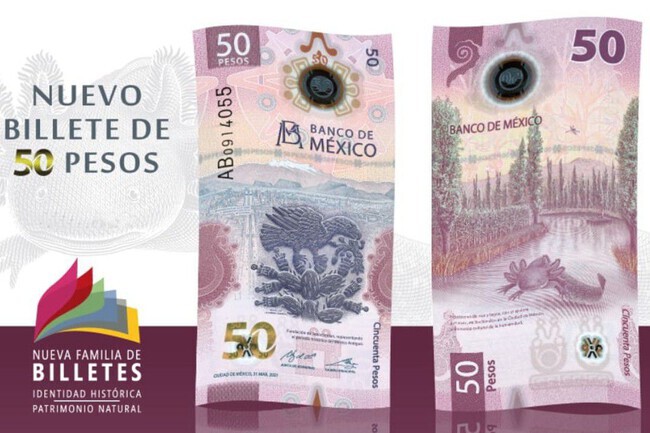
But the response exceeded all expectations. From the first day of circulation, the note's soft, enigmatic image of the axolotl resonated with people across the country. It became a symbol of tenderness, identity, and pride, appealing to collectors, families, and young people alike.
A Collectible Treasure
Many Mexicans began saving the bill as a keepsake. By 2025, Banxico reported that 9.8 million people were holding or collecting the note, effectively removing it from circulation. This widespread hoarding has had economic implications, but it also reflects the deep connection people feel with the axolotl.
The banknote's design, with its detailed representation of the axolotl and the Xochimilco landscape, has turned into a collector's item. Some are even willing to pay a premium to acquire uncirculated notes.
Why the Axolotl Matters
The axolotl is more than just a cute face; it's a critically endangered species. Its habitat in Xochimilco is threatened by pollution, urbanization, and invasive species. The banknote has helped raise awareness about these issues, putting a spotlight on the need for conservation.
Conservationists hope that the popularity of the axolotl will translate into support for protecting its environment. The Mexican government and local organizations have launched initiatives to restore the canals and promote sustainable practices in Xochimilco.
- The axolotl is endemic to the canals of Xochimilco and Lake Xochimilco in Mexico City.
- It is famous for its regenerative abilities, capable of regrowing limbs and even parts of its brain.
- The species is critically endangered due to habitat loss, pollution, and the introduction of non-native fish.
- The 50-peso banknote featuring the axolotl was introduced in 2021 and has become a cultural icon.
- Banxico reported that 9.8 million Mexicans are collecting the note, removing it from circulation.
Economic and Cultural Impact
The hoarding of the 50-peso note has had a noticeable effect on the economy. With so many notes out of circulation, the central bank may need to print more, increasing costs. However, the cultural value of the banknote far outweighs these concerns for many.
The axolotl has also become a branding opportunity. Local artisans and businesses have capitalized on the trend, creating axolotl-themed products that appeal to tourists and locals alike. This has provided an economic boost to Xochimilco and beyond. The background to this story is set out in Hedge Laying: Ancient Craft for Modern Farm Conservation. A related thread runs through Euro Banknote Redesign: Culture vs Wildlife, ECB Survey. Earlier coverage in Black Foils Lead Marine Conservation Fight Against Destructive shows how the argument developed.
| Aspect | Details |
|---|---|
| Banknote denomination | 50 pesos |
| Release date | 2021 |
| Species depicted | Axolotl (Ambystoma mexicanum) |
| Ecosystem featured | Xochimilco chinampas |
| Number of collectors (2025) | 9.8 million |
| Conservation status | Critically endangered |
What's Next for the Axolotl?
The future of the axolotl depends on continued conservation efforts. The banknote has given the species a platform, but turning awareness into action is crucial. Educational programs, habitat restoration, and sustainable tourism are key to ensuring the axolotl's survival. A closer look at the same subject appears in Wooroora Conservation: $20m Raised to Protect Queensland Land. Anyone following the wider picture can start with Euro Notes Redesign: Birds vs. Cultural Icons Vote. The same theme surfaces in Euro Notes Redesign: Culture vs Wildlife Themes and ECB Vote, which takes a different angle.
The Mexican public's response to the banknote shows that people care deeply about their natural heritage. This could lead to greater support for environmental policies and initiatives. As the axolotl continues to capture hearts, it may also inspire a new generation of conservationists. Context on how this played out before sits in Wildlife Recorders: Unsung Heroes of Local Conservation. A companion piece, Margaret Atwood on Birds, Conservation, and Optimism, approaches the same subject from another angle.
FAQ
Why is the axolotl on the 50-peso banknote?The axolotl was chosen to represent Mexico's biodiversity and cultural heritage, specifically the Xochimilco ecosystem. The design aimed to educate and celebrate the unique species.
How many Mexicans are collecting the axolotl banknote?According to Banxico, 9.8 million Mexicans are holding or collecting the 50-peso note, removing it from circulation.
Is the axolotl endangered?Yes, the axolotl is critically endangered due to habitat loss, pollution, and invasive species in its native Xochimilco canals.
What impact has the banknote had on conservation?The banknote has raised awareness about the axolotl's plight, leading to increased support for conservation efforts and educational programs in Mexico.
Browse the Shop
 Acacia frida deluxe solid wood bed frame |
Bedroom bench |
Bed chest drawers |
Lingerie dresser |
Frame base |
Mirror with jewelry storage |
30 Bathroom Vanity |
Memory foam queen mattress |
Mattresses for back pain |
Nightstand set of 2 |
Grand Goldman Shop |
Civil Lawyer
Deutschland Trikot WM 2026







