

NATO's Article 5 collective defense commitment covers the Canary Islands but leaves Spain's North African enclaves of Ceuta and Melilla in a legal gray zone, a strategic ambiguity that has persisted since Spain joined the alliance in 1982. This anomaly stems from the 1949 North Atlantic Treaty, which was drafted with Europe and North America in mind, not African territories.
As tensions with Morocco periodically flare, the question of whether NATO would defend Ceuta and Melilla remains unanswered—and that uncertainty has real consequences for Spanish deterrence.
Find Original, High-end Home Decor that spark conversation at Grand Goldman Shop.
The Geographic Scope of Article 5
Article 5 of the North Atlantic Treaty states that an armed attack against one ally is considered an attack against all. Article 6 defines the geographic scope: allied territories in Europe or North America, Turkey, and islands under the jurisdiction of members in the North Atlantic area north of the Tropic of Cancer.
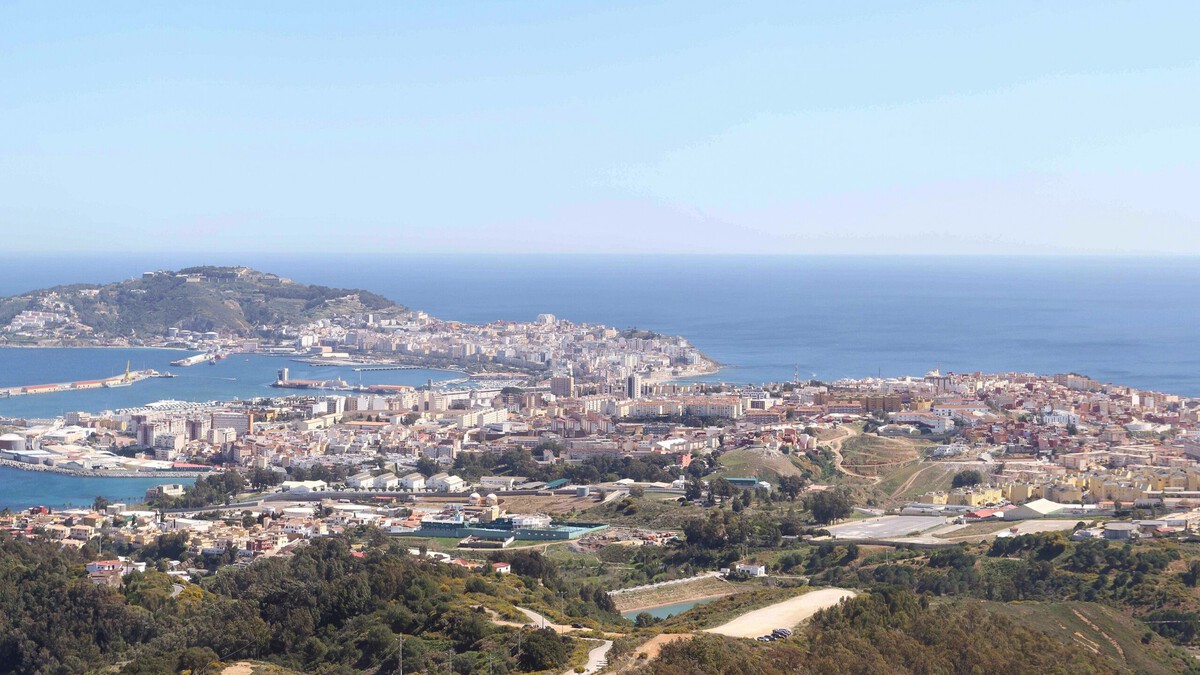
When Spain joined NATO in 1982, Ceuta and Melilla were not explicitly included. The Canary Islands, however, fall within the protected area because they lie north of the Tropic of Cancer. This distinction creates a stark difference in the alliance's defense guarantees.
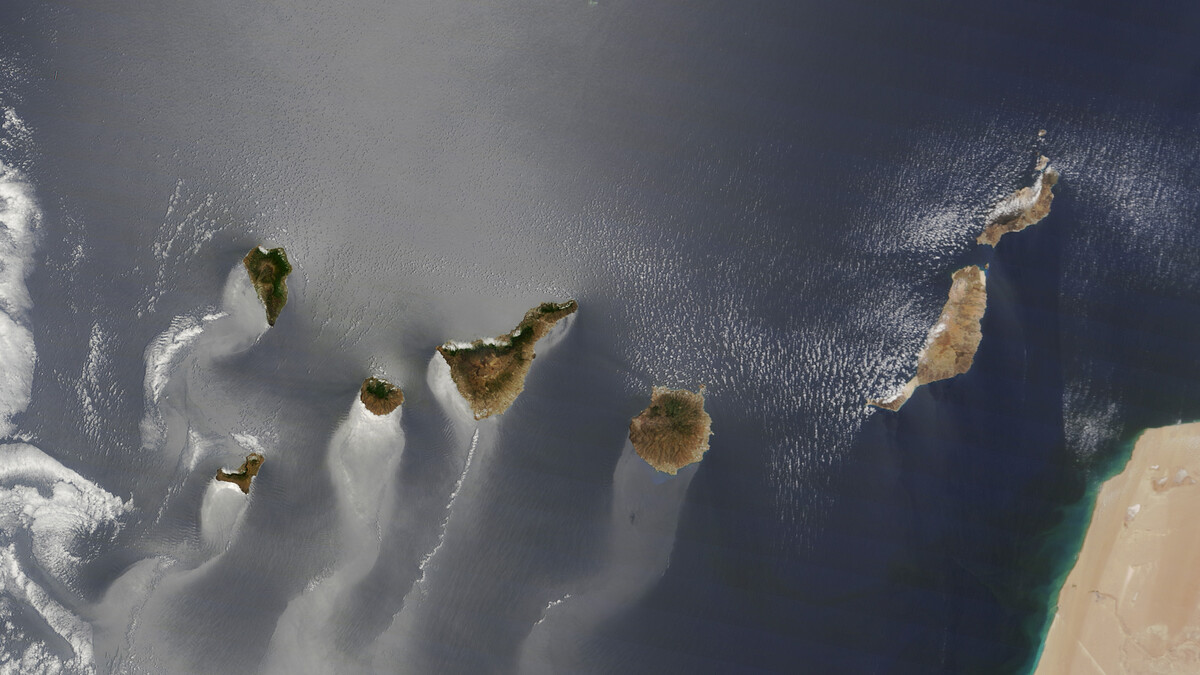
Why the Canary Islands Are Covered
The Canary Islands are situated in the Atlantic Ocean, north of the Tropic of Cancer, and are therefore unequivocally within the treaty's geographic scope. An attack on the Canary Islands would trigger Article 5 consultations and likely a collective response.
In contrast, Ceuta and Melilla are on the African continent, outside the defined area. This means that a military aggression against these cities would not automatically invoke the alliance's mutual defense clause.
Political vs. Legal Commitments
NATO officials have stated that the alliance would defend "every centimeter" of allied territory and that a political response would be forthcoming in the event of an attack on the Spanish cities. However, the legal ambiguity remains.
This creates a situation where Spanish deterrence relies partly on the political will of allies rather than a binding legal obligation. In a crisis with Morocco, Spain's security would depend on how NATO members interpret their commitments.
The Strategic Implications
For Spain, the lack of clear NATO coverage for Ceuta and Melilla means that it must rely more heavily on its own military capabilities and bilateral arrangements. This has led to increased defense spending and a focus on reinforcing the enclaves' defenses.
For Morocco, the ambiguity may embolden aggressive posturing, knowing that NATO's response is not guaranteed. This dynamic contributes to regional instability and complicates diplomatic relations.
Historical Context and Legal Interpretations
The treaty was drafted in 1949, when colonial territories were not typically included in collective defense arrangements. Spain's accession in 1982 did not resolve the issue, and subsequent reviews have not clarified the status of Ceuta and Melilla. The longer history behind the story is traced in Aceuchal: The Spanish Garlic Capital Without Fields. More on the surrounding debate is collected in Svalbard: The Arctic Islands Where Russia Tests NATO's Article.
Some legal scholars argue that the treaty's scope should be interpreted dynamically, adapting to contemporary realities. Others insist that only explicit inclusion would trigger Article 5 obligations. The background to this story is set out in Trending: latest articles. A related thread runs through Constellation: The Berkeley Hub Where AI Doomers Work to Prevent Extinction. Earlier coverage in Morocco's Naval Incursions Near Ceuta Raise Tensions With Spain shows how the argument developed.
What to Watch Next
Any escalation between Spain and Morocco over Ceuta and Melilla would test NATO's unity and the credibility of its commitments. The alliance's response would set a precedent for other disputed territories. A closer look at the same subject appears in Spain's Burger Obsession in 2026: Market Growth and Trends. Anyone following the wider picture can start with G-Lab KEYZ Elite 300 & 400 Wireless Mechanical Keyboards Hit Spain. The same theme surfaces in Invasive Mouflon Sheep in Teide National Park: A Growing Ecological Crisis, which takes a different angle.
Spain continues to seek clarity from its allies, but a formal amendment to the treaty is unlikely. Instead, Spain may pursue bilateral defense agreements and increased NATO presence in the region as a deterrent. Context on how this played out before sits in Canary Islands Pay the Hidden Cost of Fishmeal Aquaculture. A companion piece, NATO Article 5 and Spain's Ceuta and Melilla Dilemma, approaches the same subject from another angle.
- NATO's Article 5 does not explicitly cover Ceuta and Melilla, creating a legal gray zone.
- The Canary Islands are protected due to their location north of the Tropic of Cancer.
- Political assurances from NATO officials do not equate to a legal obligation.
- Spain may need to rely on its own defenses and bilateral arrangements.
- The ambiguity could affect deterrence and regional stability.
| Territory | Location | NATO Article 5 Coverage |
|---|---|---|
| Canary Islands | Atlantic Ocean, north of Tropic of Cancer | Yes, within treaty scope |
| Ceuta | North Africa | No, outside defined area |
| Melilla | North Africa | No, outside defined area |
FAQ
Does NATO's Article 5 cover Ceuta and Melilla?
No, Article 5 does not explicitly cover Ceuta and Melilla because they are located in Africa, outside the geographic scope defined in Article 6 of the North Atlantic Treaty. However, NATO officials have suggested a political response would be likely.
Why are the Canary Islands covered by Article 5?
The Canary Islands are in the Atlantic Ocean north of the Tropic of Cancer, which falls within the treaty's defined area. Therefore, they are protected under Article 5.
What would happen if Morocco attacked Ceuta or Melilla?
There is no automatic legal obligation for NATO to respond collectively. Spain would likely call for consultations, and allies might choose to respond politically or militarily, but it would not be guaranteed.
Has Spain tried to change this situation?
Spain has raised the issue with NATO allies, but amending the treaty is difficult. Instead, Spain focuses on strengthening its own defenses and seeking political assurances.
Browse the Shop
 Acacia frida deluxe solid wood bed frame |
Bedroom bench |
Bed chest drawers |
Lingerie dresser |
Frame base |
Mirror with jewelry storage |
30 Bathroom Vanity |
Memory foam queen mattress |
Mattresses for back pain |
Nightstand set of 2 |
Grand Goldman Shop |
Civil Lawyer
Deutschland Trikot WM 2026










