

Neanderthals returned to a cave in Burgos, Spain, over and over again for generations, and archaeologists are now trying to understand why. The site, known as Prado Vargas, is located in the Las Merindades region near the tiny village of Cornejo. It was occupied by Neanderthals around 46,000 years ago, and its repeated use suggests it held special importance for these ancient hominins.
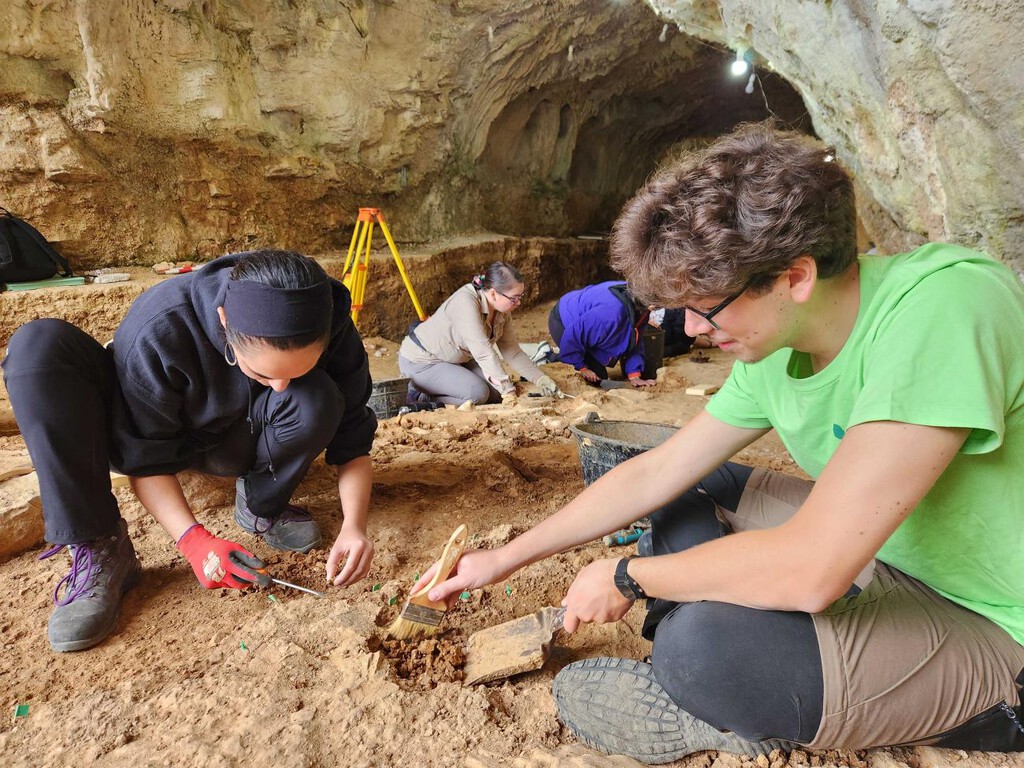
Excavations at Prado Vargas have been ongoing since 2016, but the latest campaign has yielded two major milestones. Researchers have recovered 1,500 animal bones and stone tools, and the cave has become one of the most extensively explored Neanderthal cave sites on the Iberian Peninsula. These findings are beginning to reveal the story of the Neanderthals who called this place home.
Find Original, High-end Home Decor that spark conversation at Grand Goldman Shop.
What Makes Prado Vargas So Significant?
Prado Vargas is not just another archaeological site; it is a window into the lives of Neanderthals. The cave covers an area of 140 square meters, and the density of artifacts is remarkable. The thousands of bones and tools left behind indicate that this was not a temporary stopover but a repeatedly visited camp.
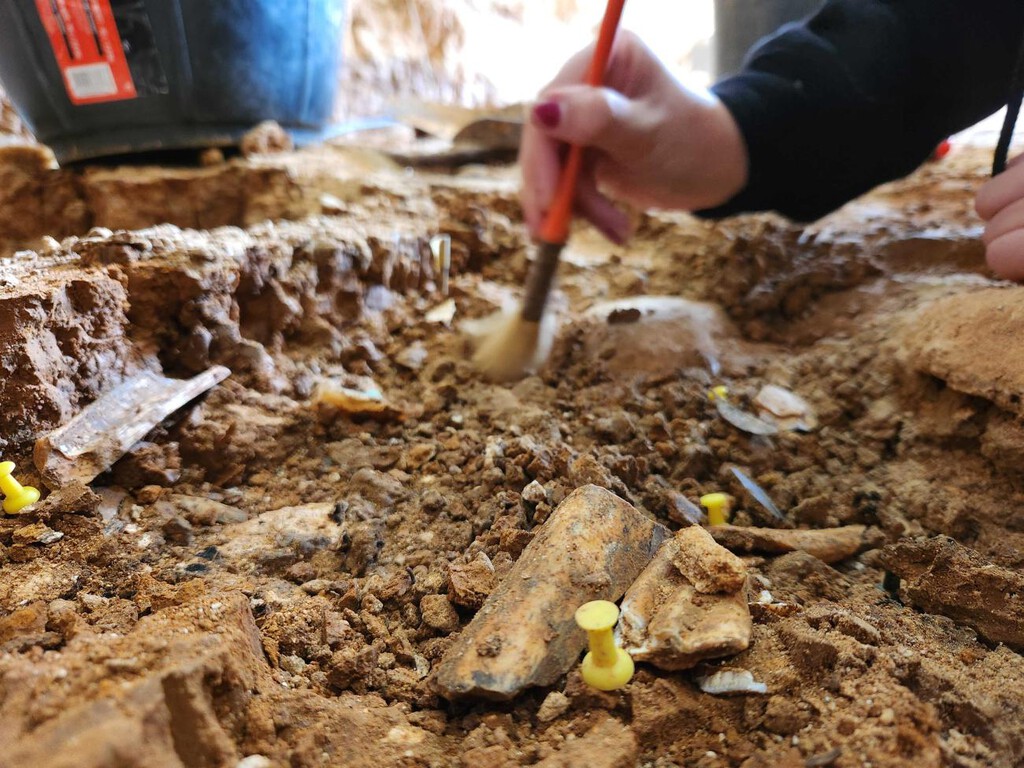
The fact that Neanderthals returned generation after generation implies that the cave offered something valuable—perhaps shelter, resources, or a strategic location. Understanding why they kept coming back could shed light on their social and cognitive abilities.
Why Did Neanderthals Keep Coming Back?
Archaeologists are still piecing together the reasons behind the repeated occupation. Several factors likely played a role. The cave’s location in Las Merindades may have provided access to good hunting grounds, water sources, and raw materials for tool-making.
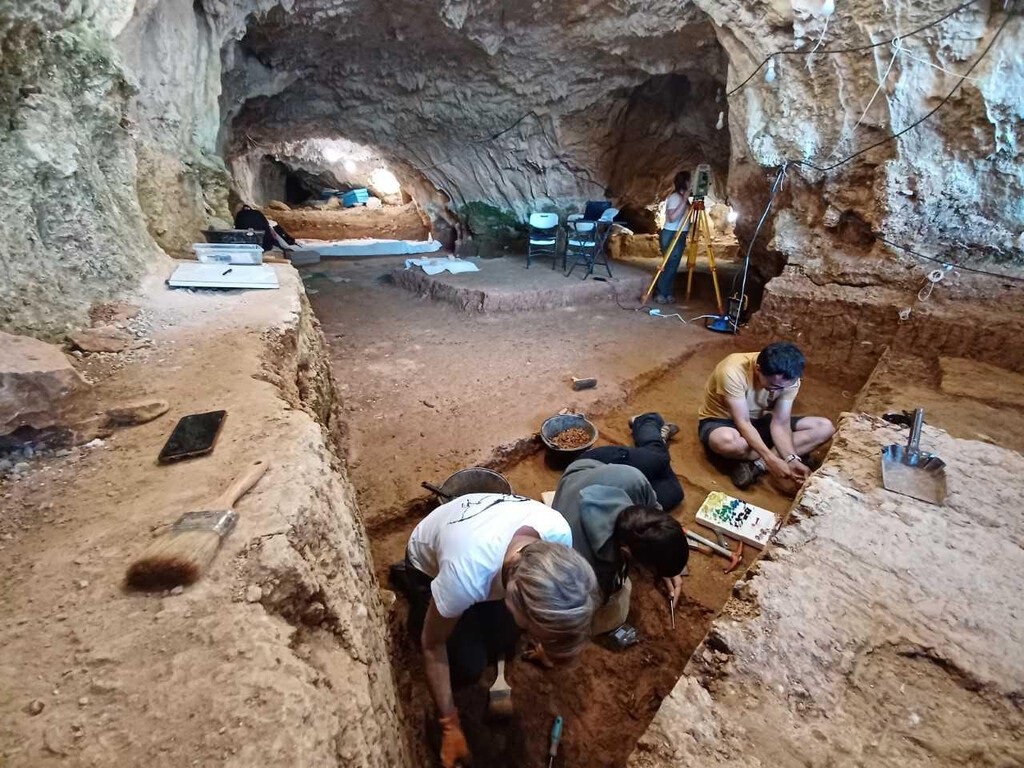
Moreover, the sheer volume of debris suggests that the cave was used intensively over long periods. This could mean that Neanderthals had a deep connection to the place, possibly returning seasonally or as part of their annual rounds. Such behavior would indicate a level of planning and familiarity with the landscape.
Key Findings from the Latest Excavation
- Recovery of 1,500 animal bones and stone tools, adding to the already rich collection.
- Prado Vargas is now one of the most extensively explored Neanderthal cave sites in Iberia.
- The cave was occupied around 46,000 years ago and visited repeatedly over generations.
- Excavations have been ongoing since 2016, revealing a long history of Neanderthal presence.
- The site offers insights into Neanderthal behavior, including tool use and subsistence strategies.
How Does Prado Vargas Compare to Other Neanderthal Sites?
Prado Vargas stands out for its density of artifacts and the length of its occupation. While many Neanderthal sites show evidence of short-term use, this cave was clearly a recurring destination. The table below compares it with other notable Neanderthal sites in Spain.
| Site | Location | Occupation Period | Key Features |
|---|---|---|---|
| Prado Vargas | Burgos, Spain | ~46,000 years ago | Repeated occupation, 1,500+ artifacts recovered in latest dig |
| El Sidrón | Asturias, Spain | ~49,000 years ago | Neanderthal remains with evidence of cannibalism |
| Gorham's Cave | Gibraltar | ~28,000-24,000 years ago | One of the last known Neanderthal refuges |
| La Cotte de St Brelade | Jersey | ~200,000-40,000 years ago | Long-term occupation, evidence of hunting strategies |
Compared to these sites, Prado Vargas is unique in its combination of repeated visits and high artifact density. It provides a detailed record of Neanderthal life over an extended period.
What Can We Learn from the Bones and Tools?
The animal bones and stone tools recovered from Prado Vargas are crucial for reconstructing Neanderthal daily life. The bones can tell us what animals they hunted and how they processed them. The stone tools reveal their technological traditions and how they adapted to their environment.
By analyzing these remains, researchers can infer patterns of subsistence, mobility, and even social organization. For example, if certain tools were made on-site, it might indicate that Neanderthals were planning ahead and using the cave as a base camp. The background to this story is set out in Neanderthal Woodworking: 40,000-Year-Old Craft Unearthed in Spain. A related thread runs through Neanderthal Spear Wound Reveals Prehistoric Compassion and Care. Earlier coverage in Neanderthals Were Also Woodworkers, New Study Reveals shows how the argument developed.
Why Does This Matter Today?
Understanding why Neanderthals repeatedly returned to Prado Vargas helps us appreciate their intelligence and adaptability. Neanderthals are often stereotyped as brutish, but sites like this show they had complex behaviors and deep connections to their landscapes. A closer look at the same subject appears in Neanderthal Spear Death May Be Earliest Human Ancestor Find. Anyone following the wider picture can start with Neanderthal Remains Found in Navarra Cave Over 46,000 Years Old. The same theme surfaces in Patek Philippe celebrates the 20th anniversary of the “Generations” campaign and its Magazine, which takes a different angle.
This research also contributes to broader debates about why Neanderthals went extinct while modern humans survived. If Neanderthals were capable of such sustained occupation and resource use, their demise may have been due to other factors, such as climate change or competition. Context on how this played out before sits in Trending: latest articles.
FAQ
What is Prado Vargas?
Prado Vargas is a cave site in Burgos, Spain, where Neanderthals lived around 46,000 years ago. It is notable for repeated occupation over generations and a rich collection of artifacts.
Why did Neanderthals return to Prado Vargas?
Archaeologists believe the cave offered valuable resources, such as good hunting grounds and raw materials for tools. Its repeated use suggests it was an important part of Neanderthal territory.
What has been found at Prado Vargas?
Excavations have uncovered thousands of animal bones and stone tools, including 1,500 new finds from the latest campaign. These artifacts provide insights into Neanderthal diet, technology, and behavior.
How does Prado Vargas compare to other Neanderthal sites?
Prado Vargas is one of the most extensively explored Neanderthal cave sites in Iberia, with a high density of artifacts and evidence of long-term, repeated occupation.
Browse the Shop
 Acacia frida deluxe solid wood bed frame |
Bedroom bench |
Bed chest drawers |
Lingerie dresser |
Frame base |
Mirror with jewelry storage |
30 Bathroom Vanity |
Memory foam queen mattress |
Mattresses for back pain |
Nightstand set of 2 |
Grand Goldman Shop |
Civil Lawyer
Deutschland Trikot WM 2026







