

Polestar is making waves with its latest technological advancements, integrating Google AI, NVIDIA computing power, and an 800V electrical architecture in the Polestar 3 and Polestar 5. This move underscores the brand's commitment to performance and innovation in the electric vehicle market.
From its racing origins to its current status as a premium EV maker, Polestar has always prioritized driver-centric design. The latest updates continue this tradition by blending cutting-edge software with advanced hardware.
Find Original Home Decor sparking conversation at Grand Goldman Shop.

Google AI Integration: A Smarter Driving Experience
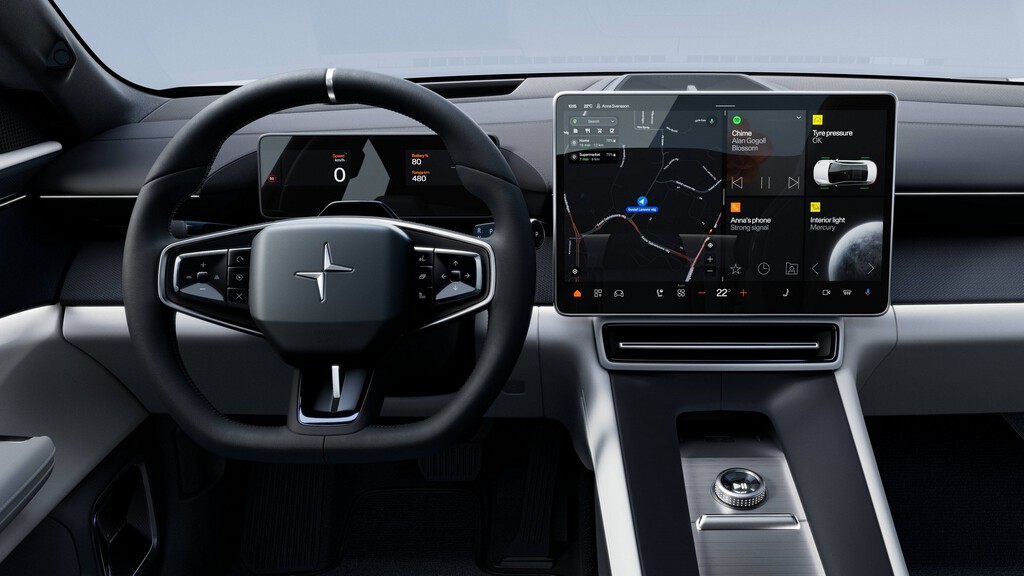
Polestar was among the first to adopt Google's native Android Automotive OS, and it's now taking that integration further with AI. The system learns from driver behavior to provide personalized suggestions, from navigation routes to charging stops.
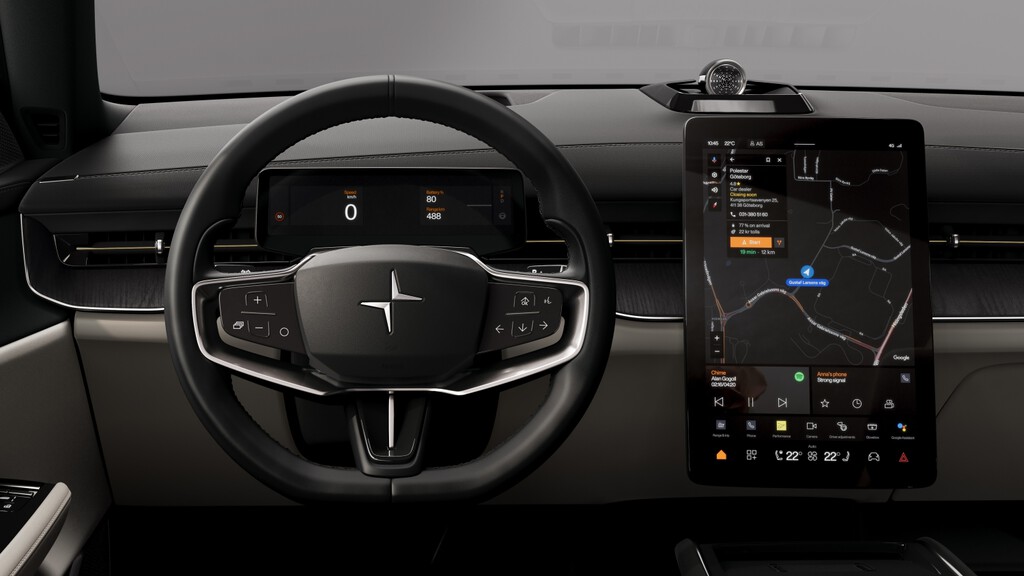
This isn't just about convenience; it's about creating a seamless digital ecosystem. The AI anticipates needs, reducing distractions and enhancing safety. For instance, it can pre-condition the battery for faster charging based on your schedule.
NVIDIA Power: The Brain Behind the Beauty
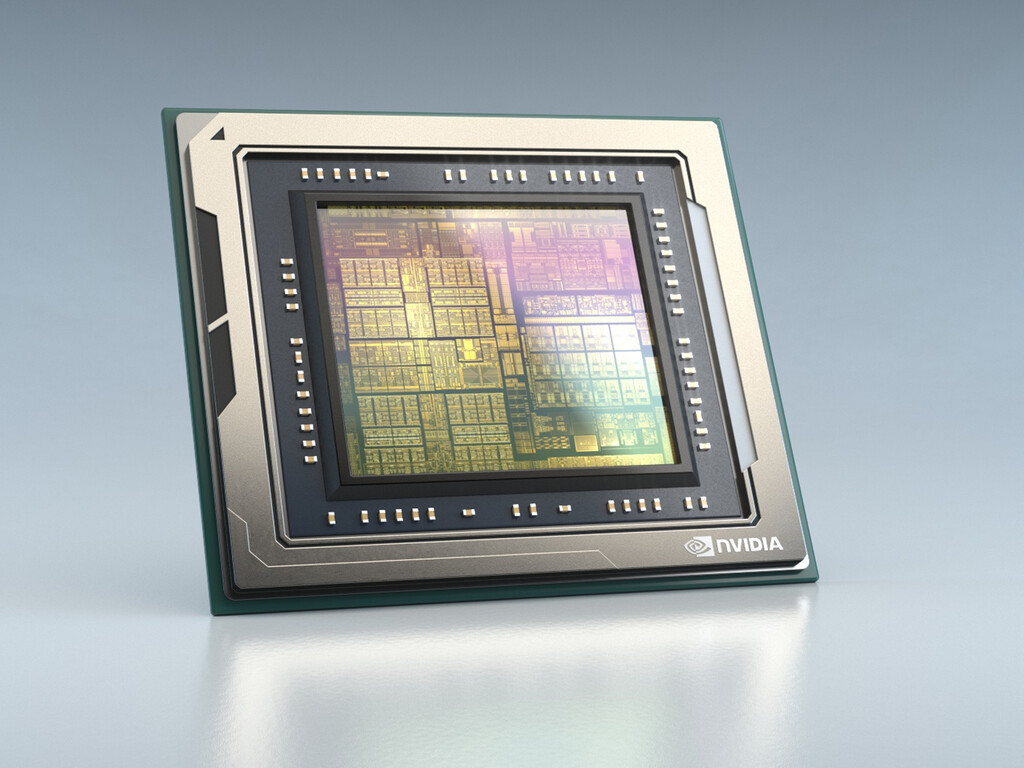
Underpinning this intelligence is NVIDIA's high-performance compute platform. The DRIVE Orin system-on-a-chip processes vast amounts of data from sensors and cameras in real-time, enabling advanced driver-assistance systems (ADAS) and continuous over-the-air updates.
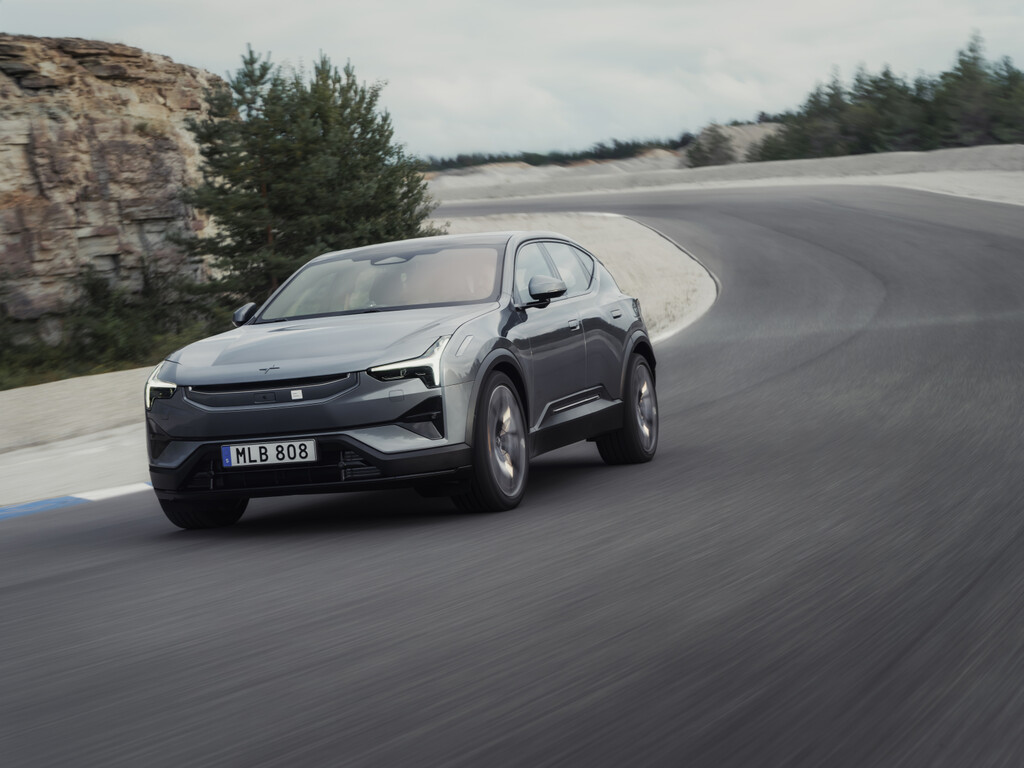
NVIDIA's expertise in AI computing ensures that Polestar vehicles can handle future software enhancements without hardware upgrades. This scalability is crucial as autonomous features evolve.
800V Architecture: Charging Ahead
The shift to an 800V electrical system is a game-changer for charging speed. It allows the Polestar 5 to charge from 10% to 80% in just minutes, significantly reducing downtime on long trips.
This architecture also improves efficiency by reducing weight and heat generation. The Polestar 3, recently updated, benefits from this technology, making it one of the fastest-charging SUVs in its class.
- Google AI for personalized, predictive infotainment.
- NVIDIA DRIVE Orin for advanced ADAS and future-proof computing.
- 800V architecture for ultra-fast charging and efficiency.
- Over-the-air updates for continuous improvement.
- Scandinavian design focused on simplicity and usability.
Polestar 3 and Polestar 5: What's New?
The Polestar 3, a performance SUV, now features the 800V system, reducing charging times and enhancing overall efficiency. The upcoming Polestar 5, a grand tourer, will leverage this architecture to deliver both thrilling performance and practicality.
Both models showcase Polestar's design philosophy: clean lines, sustainable materials, and intuitive technology. The interior is a minimalist haven, with a large central touchscreen powered by Google's AI.
| Feature | Polestar 3 | Polestar 5 |
|---|---|---|
| Architecture | 800V | 800V |
| AI Platform | Google AI | Google AI |
| Compute | NVIDIA DRIVE Orin | NVIDIA DRIVE Orin |
| Charging (10-80%) | ~30 minutes | ~20 minutes |
Why This Matters for EV Adoption
Fast charging and smart software are key to overcoming range anxiety and improving the ownership experience. Polestar's approach addresses both, making EVs more viable for daily use and long journeys.
Moreover, the integration of AI and high-performance computing sets the stage for autonomous driving features. As regulations catch up, Polestar vehicles will be ready with the necessary hardware. The background to this story is set out in Polestar 4 Review: The Chinese Electric Car With Swedish DNA. A related thread runs through Victoria Pelova's Arsenal to Spurs Move: A Bold Leap. Earlier coverage in Electric Vehicle Batteries Linked to Deforestation in Indonesia shows how the argument developed.
The Road Ahead
Polestar's commitment to innovation is evident in its latest models. By combining Google's AI, NVIDIA's compute, and 800V charging, the brand is positioning itself at the forefront of the electric revolution. A closer look at the same subject appears in BYD Effect: How Electric Vehicle Boom Fights Inflation. Anyone following the wider picture can start with UK Electric Vehicle Transition Delayed by Car Industry Lobbying. The same theme surfaces in Leap forward in quantum computing, which takes a different angle.
As the automotive industry evolves, collaborations like these will become standard. Polestar's early adoption gives it a competitive edge, appealing to tech-savvy consumers who demand both performance and intelligence. Context on how this played out before sits in PsiQuantum's Photonic Quantum Computer: A Leap Toward Fault Tolerance. A companion piece, Swedish Design: The Blueprint for Modern Electric Vehicles, approaches the same subject from another angle.
FAQ
What is the benefit of 800V architecture?
800V architecture enables faster charging, reduced weight, and improved efficiency compared to 400V systems. It allows for shorter charging stops and better performance.
How does Google AI enhance the driving experience?
Google AI learns driver preferences and provides personalized suggestions for navigation, charging, and infotainment, reducing distractions and improving convenience.
What does NVIDIA contribute to Polestar vehicles?
NVIDIA's DRIVE Orin platform powers advanced driver-assistance systems and enables over-the-air updates, ensuring the vehicle can handle future software enhancements.
Are these technologies available in both Polestar 3 and Polestar 5?
Yes, both models feature Google AI, NVIDIA computing, and 800V architecture, though specific performance metrics may vary.
Browse the Shop
 Acacia frida deluxe solid wood bed frame |
Bedroom bench |
Bed chest drawers |
Lingerie dresser |
Frame base |
Mirror with jewelry storage |
30 Bathroom Vanity |
Memory foam queen mattress |
Mattresses for back pain |
Nightstand set of 2 |
Grand Goldman Shop |
Civil Lawyer
Deutschland Trikot WM 2026







