

Public funding for stadiums rarely delivers the economic boost that teams promise, according to a growing body of research by economists. As cities weigh whether to subsidize new arenas or renovations, the evidence suggests taxpayers often foot the bill without seeing the promised returns.
In Spain, top-flight football stadiums welcomed 11.7 million spectators during the 2025/26 season, and clubs frequently argue they are economic engines that benefit cities by attracting visitors and energizing local businesses. But when public bodies are asked to finance stadium works or provide land and access, the question becomes: does it really pay off?
Find Original Home Decor sparking conversation at Grand Goldman Shop.

The Economists Behind the Numbers
Abigail Hall and Aaron D. Wood, both economics professors at the University of Tampa, recently combined their professional expertise and personal passion for sports to tackle a thorny question: is it worthwhile for public entities to put money into stadiums? Each time a professional club knocks on a city hall's door asking for funds to upgrade its facilities, is it justified to open the coffers filled by taxpayers? Does that investment get recovered?
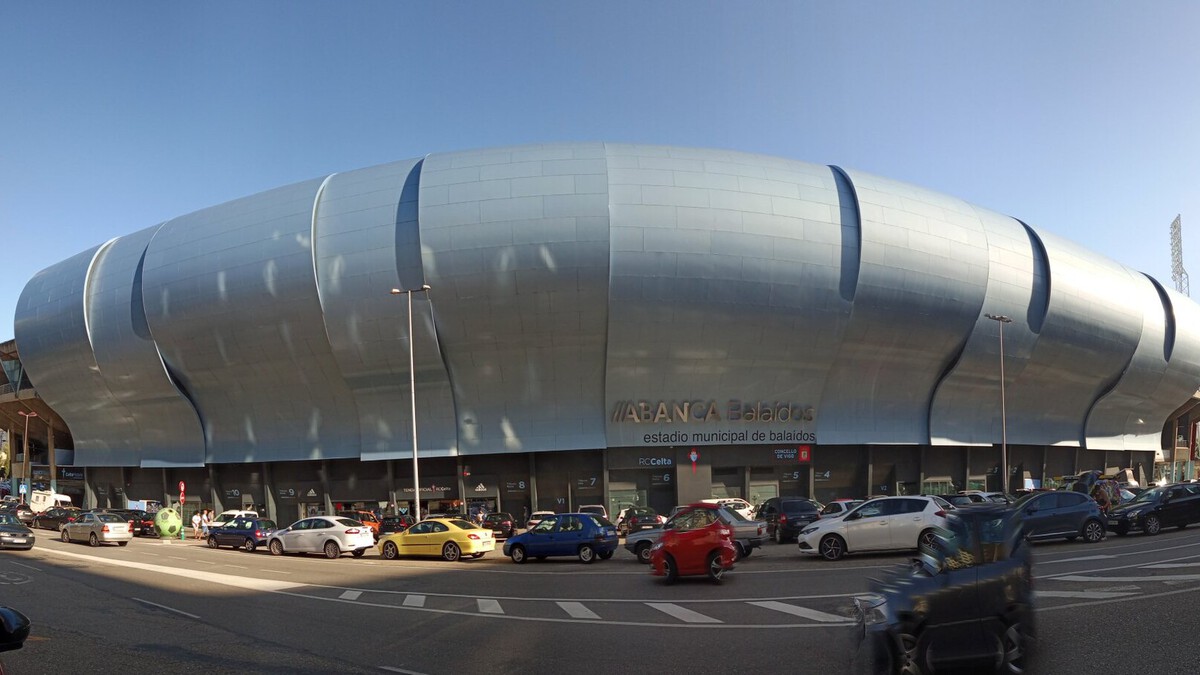
After crunching numbers and reviewing recent papers on the subject, their conclusions are damning. The research adds to a long-standing debate about the role of public money in private sports infrastructure.
Why Stadium Subsidies Fall Short
The core problem is that the economic benefits touted by teams are often overstated. While stadiums do generate activity, much of it is simply displaced from other parts of the local economy rather than being new. Residents who attend games might have spent that money elsewhere in the city, so the net effect is smaller than advertised.
Moreover, the jobs created are frequently part-time and seasonal, and the promised spillover effects on nearby businesses are limited. Visitors may come for a game, but their spending is often concentrated around the venue and may not spread as widely as proponents claim.
- Displacement effect: Spending at stadiums often substitutes for spending elsewhere locally.
- Overstated job creation: Many positions are part-time and seasonal, with limited economic ripple effects.
- Leakage of benefits: Profits often flow to team owners and outside investors rather than staying in the community.
- High opportunity cost: Public funds used for stadiums could be invested in infrastructure, education, or other public goods with clearer returns.
- Weak accountability: Promised benefits are rarely measured or enforced, leaving taxpayers on the hook.
What the Research Shows
Numerous studies over the past decades have found little to no positive net economic impact from public stadium subsidies. Hall and Wood's analysis aligns with this consensus, highlighting that the returns rarely justify the public outlay. Even when benefits exist, they are often not large enough to offset the costs.
The table below summarizes key findings from typical economic studies on stadium subsidies:
| Factor | Typical Finding | Implication |
|---|---|---|
| New spending | Limited; much is displaced | Net economic boost is small |
| Job creation | Mostly part-time, seasonal | Little impact on local employment |
| Tax revenue | Often insufficient to cover subsidies | Taxpayers may lose money |
| Local business spillover | Concentrated, not widespread | Benefits may not reach broader community |
These findings don't mean stadiums have no value—they can enhance civic pride and provide entertainment. But from a purely economic standpoint, the case for public funding is weak.
Who Really Benefits?
When public money funds stadiums, the primary beneficiaries are often team owners and private investors. They gain valuable assets and increased revenue streams, while the public assumes the financial risk. In many cases, teams also secure favorable lease terms and other concessions that further tilt the balance in their favor. The longer history behind the story is traced in Public Funding for Stadiums: Economists Say It Doesn't Pay. More on the surrounding debate is collected in World Cup 2030: Spain's Stadium Dream Turns Into a Financial Headache.
Meanwhile, residents may face higher taxes or reduced public services to cover the subsidies. The promised community benefits—such as revitalized neighborhoods or increased tourism—frequently fail to materialize at the scale advertised. The background to this story is set out in Top Economists Urge UK to Join UN Global Inequality Initiative. A related thread runs through Wrexham Face Liverpool at Yankee Stadium: Premier League Dream. Earlier coverage in Highest and Lowest Google Ratings for Football Stadiums shows how the argument developed.
What Cities Should Consider
Before committing public funds, local governments should demand independent, transparent economic impact studies. They should also negotiate strong community benefits agreements that ensure tangible returns, such as affordable housing or local hiring commitments. A closer look at the same subject appears in Alcohol at Football Matches: Pros and Cons of Drinking in Stadiums. Anyone following the wider picture can start with Arts Council England 80 Years: Public Funding for Arts Vital. The same theme surfaces in Arts Council 80 Years: Public Funding for Arts Vital, which takes a different angle.
Alternatively, cities could explore models where teams bear more of the financial burden, such as through private financing or public-private partnerships with clear risk-sharing. The key is to avoid writing blank checks without accountability. Context on how this played out before sits in Arsenal Shelve Emirates Stadium Expansion Plans for Upgrades. A companion piece, Trending: latest articles, approaches the same subject from another angle.
FAQ
Do public stadium subsidies ever pay off economically?
According to most economic research, public stadium subsidies rarely generate enough new economic activity to offset their costs. Benefits are often overstated, and much spending is displaced from other local businesses.
Why do cities still agree to fund stadiums?
Cities may fear losing a team to another city, or they may be swayed by promises of jobs and prestige. Political pressure and civic pride also play a role, even when the economic case is weak.
What are the alternatives to public funding for stadiums?
Alternatives include private financing, public-private partnerships with clear risk-sharing, and community benefits agreements that ensure tangible returns for residents. Some cities have also used stadium funds for broader urban development projects.
How can taxpayers hold teams accountable for promised benefits?
Taxpayers can advocate for independent economic impact studies and enforceable community benefits agreements. Transparency and regular reporting on outcomes are essential to ensure accountability.
Browse the Shop
 Acacia frida deluxe solid wood bed frame |
Bedroom bench |
Bed chest drawers |
Lingerie dresser |
Frame base |
Mirror with jewelry storage |
30 Bathroom Vanity |
Memory foam queen mattress |
Mattresses for back pain |
Nightstand set of 2 |
Grand Goldman Shop |
Civil Lawyer
Deutschland Trikot WM 2026







