

The Segway ZT3 MAX electric scooter is redefining how we measure range and durability, with a claimed 60 km range at maximum speed and innovative self-repair features. Announced alongside the MAX G3 Pro, this model aims to address the two biggest concerns of daily riders: unrealistic range claims and maintenance headaches.
For years, electric scooter range figures have been measured under ideal conditions—Eco mode, lightweight rider, and a leisurely pace. But real-world riders know the truth: push the throttle to arrive on time, and those promised kilometers vanish. Segway wants to change that with the ZT3 MAX.
Find Original Home Decor sparking conversation at Grand Goldman Shop.

Why Real-World Range Matters for Electric Scooter Commuters
Most electric scooter manufacturers quote range based on lab tests in Eco mode at a walking pace. While those numbers look good on paper, they rarely reflect how people actually ride. Daily commuters need to keep up with traffic, climb hills, and battle headwinds—all of which drain the battery faster.

The ZT3 MAX takes a different approach. Its 60 km range is homologated while riding at its top speed of 25 km/h. This method, certified by TÜV Rheinland, measures the distance traveled at continuous maximum speed until the scooter can no longer maintain at least 15 km/h (60% of its top speed). The test is conducted with a 75 kg rider on flat asphalt at 20-25 °C.
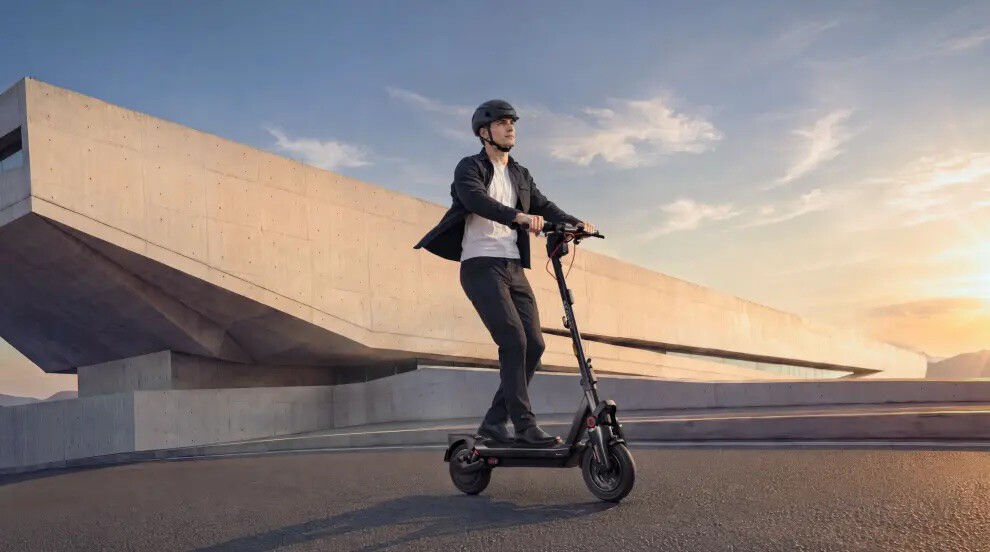
While factors like cold weather, wind, and inclines will still affect real-world range, this standard provides a much more honest and realistic reference than traditional homologations. Riders can trust that the ZT3 MAX will deliver closer to its claimed range even when ridden hard.
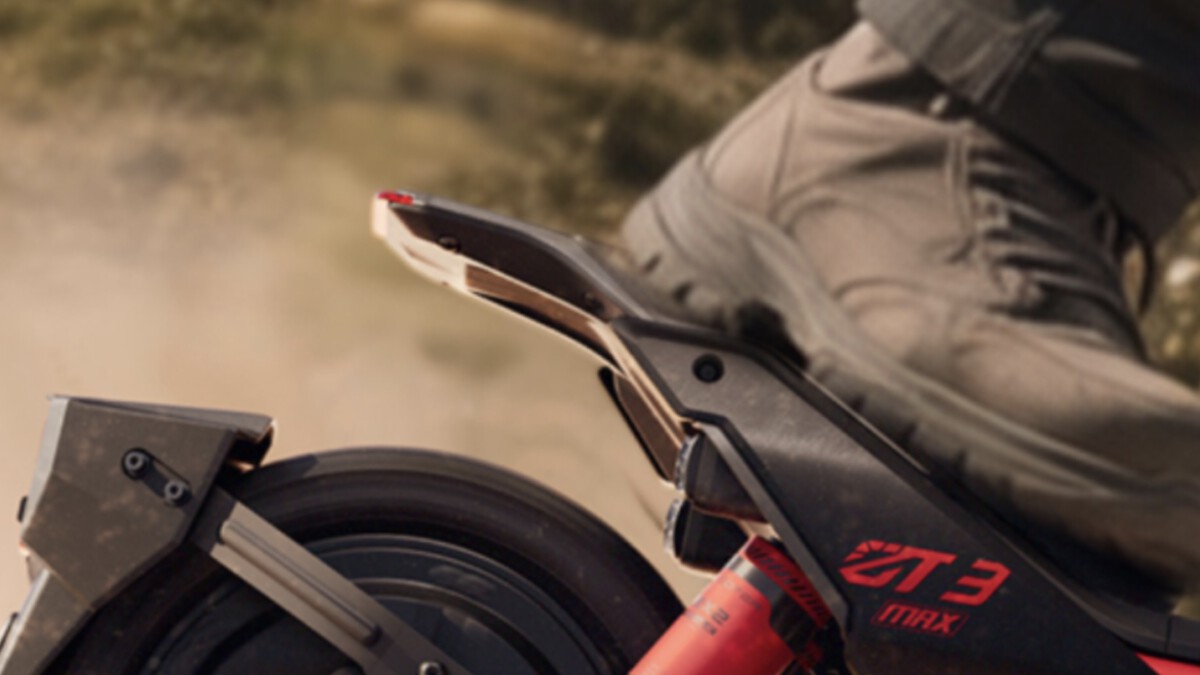
Self-Repair Technology: What It Means for Owners
Beyond range, the ZT3 MAX introduces self-repair capabilities designed to minimize downtime and maintenance costs. While specific details are scarce, Segway emphasizes that the scooter can diagnose and even fix certain issues autonomously. This could include battery management, motor adjustments, or firmware updates that resolve glitches without a trip to the service center.
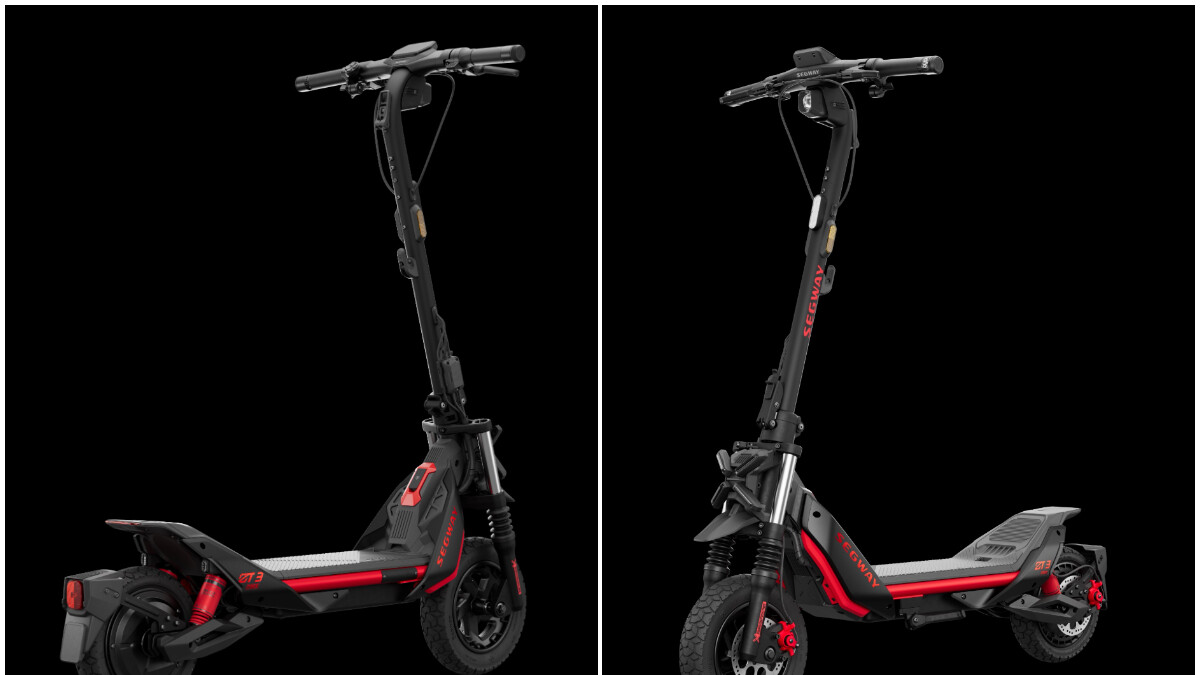
For urban commuters who rely on their scooters daily, this feature is a game-changer. Flat tires and electrical faults often mean days without transport; self-repair tech promises to keep riders moving.
ZT3 MAX vs. Traditional Electric Scooters: Key Differences
How does the ZT3 MAX stack up against typical electric scooters? The table below highlights the main distinctions.
| Feature | Segway ZT3 MAX | Typical Electric Scooter |
|---|---|---|
| Range Measurement | 60 km at max speed (25 km/h), TÜV-certified | Lab-tested in Eco mode at low speed |
| Self-Repair | Yes, autonomous diagnostics and fixes | No, requires manual service |
| Test Conditions | 75 kg rider, flat asphalt, 20-25 °C | Often unspecified or ideal |
| Top Speed | 25 km/h | Varies, often 25 km/h |
Key Takeaways for Prospective Buyers
- Realistic range: 60 km at full speed, certified by TÜV Rheinland.
- Self-repair: Reduces downtime and maintenance hassles.
- Daily commuter focus: Designed for riders who need reliability.
- Transparent testing: Sets a new standard for range honesty.
- Weather and terrain still matter: Expect reduced range in cold, wind, or hills.
Who Should Consider the Segway ZT3 MAX?
The ZT3 MAX is ideal for urban commuters who cover longer distances and want a scooter that can handle real-world conditions. If you're tired of range anxiety and frequent repairs, this model offers a compelling solution. It's also a strong choice for heavier riders, as the 75 kg test rider suggests it can handle adult weights without sacrificing performance. The background to this story is set out in Segway's New High-End Electric Scooters: Off-Road Power and 80 km Range. A related thread runs through RoadRunner Pro Electric Scooter Review: Riders, Pay Attention. Earlier coverage in Lidl's Affordable Electric Scooter: 45 km/h, 71 km Range, Two Seats shows how the argument developed.
However, if you only need a scooter for short trips and mild conditions, a cheaper model might suffice. But for those who demand reliability and transparency, the ZT3 MAX stands out. A closer look at the same subject appears in Egret Unit Electric Scooter: 100 km Range and Dual Suspension. Anyone following the wider picture can start with US Long-Range Missile Test in Morocco Raises Canary Islands Concerns. The same theme surfaces in Solar Panels on a Van: 4-Month Europe Test Boosts EV Range, which takes a different angle.
What to Watch Next
Segway's move toward honest range testing and self-repair tech could pressure competitors to follow suit. As more brands adopt similar standards, riders will benefit from clearer expectations and better-built scooters. Keep an eye on real-world reviews of the ZT3 MAX to see if it lives up to its claims. Context on how this played out before sits in Best Electric Scooters for Quality and Price: How to Choose and 6 Top Models. A companion piece, Play & Win with Einhell: Enter to Win an Electric Scooter, approaches the same subject from another angle.
FAQ
What is the real range of the Segway ZT3 MAX?
The ZT3 MAX has a certified range of 60 km when ridden at its maximum speed of 25 km/h, tested by TÜV Rheinland with a 75 kg rider on flat asphalt at 20-25 °C.
How does the ZT3 MAX's range test differ from others?
Unlike traditional tests in Eco mode at low speed, this test measures distance at continuous top speed until the scooter drops below 15 km/h, providing a more realistic estimate for daily riding.
What is self-repair technology in the ZT3 MAX?
It allows the scooter to autonomously diagnose and fix certain issues, such as firmware glitches or battery management, reducing downtime and service visits.
Does weather affect the ZT3 MAX's range?
Yes, like all electric scooters, cold temperatures, strong winds, and hilly terrain can reduce range below the certified 60 km. Riders should account for these factors in real-world use.
Browse the Shop
 Acacia frida deluxe solid wood bed frame |
Bedroom bench |
Bed chest drawers |
Lingerie dresser |
Frame base |
Mirror with jewelry storage |
30 Bathroom Vanity |
Memory foam queen mattress |
Mattresses for back pain |
Nightstand set of 2 |
Grand Goldman Shop |
Civil Lawyer
Deutschland Trikot WM 2026







