

In recent years, the number of active satellites in orbit has surpassed 7,500, many dedicated to Earth observation with precision that can distinguish objects just a few meters apart. At the same time, millions of position signals from planes and ships are broadcast openly every minute worldwide. Never before has so much information been accessible about what is happening, in near real-time, anywhere on the planet. This abundance has given rise to a new market: selling Iran real-time satellite and streaming intelligence on US military movements.
The Rise of Real-Time War Streaming
The war in Iran has opened an unexpected showcase where every military movement becomes almost immediate content, packaged and disseminated as if it were a live event from an international artist. This phenomenon has been dubbed "real-time war streaming."
Find Original Home Decor sparking conversation at Grand Goldman Shop.

Chinese technology companies have spotted this opportunity and begun offering detailed analyses of US bases, deployments, and operations using open data combined with artificial intelligence. What once required state intelligence resources is now presented as an accessible, visual, and viral product, capable of circulating on social media and specialized platforms.
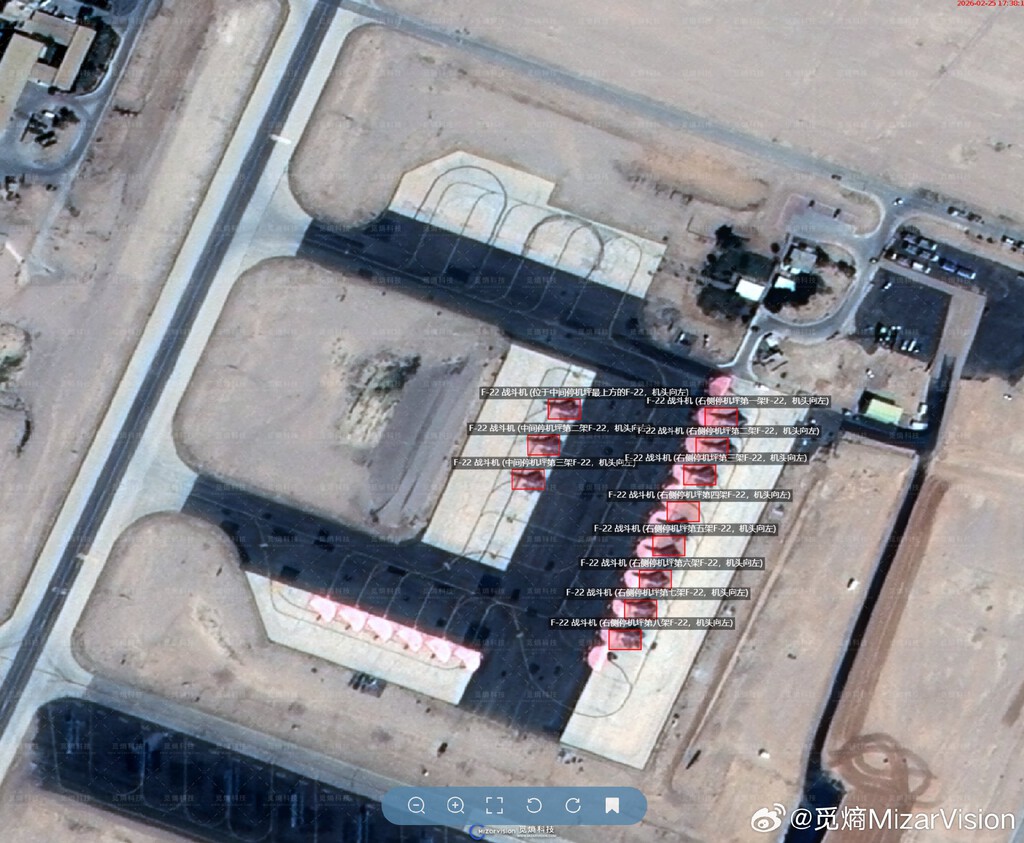
The result is a kind of military "streaming" where the movements of a superpower are transformed into information merchandise.
Fusion of Open Data and AI
According to a Washington Post report this week, the core of this phenomenon lies in the fusion of open data and artificial intelligence. Companies scrape publicly available satellite imagery, flight tracking data, and ship tracking signals, then use AI to analyze patterns and identify military movements.
This analysis is then packaged into reports, videos, and interactive maps that are sold to clients, including governments and private entities. The Iranian government has reportedly shown interest in these services to track US military activities in the region.
The implications are profound: any country or group with enough resources can now access near-real-time intelligence on military movements, potentially altering the balance of power.
Key Takeaways
- Over 7,500 active satellites provide high-resolution Earth observation data.
- Chinese tech firms are using AI to analyze open data for military intelligence.
- Iran is a potential buyer of real-time US military movement data.
- This new market lowers the barrier to entry for intelligence gathering.
- Privacy and national security concerns are rising as a result.
Who Benefits and Who Is at Risk
The primary beneficiaries are companies that can aggregate and analyze this data, as well as governments seeking an edge without investing in their own satellites. However, the risks are significant: the proliferation of such intelligence could lead to miscalculations and escalate conflicts.
For the US, the ability of adversaries to track its military movements in near real-time is a serious concern. It may lead to changes in operational security and increased efforts to mask movements.
Privacy advocates also worry about the implications for civilian surveillance, as the same technologies can be used to track individuals. The longer history behind the story is traced in Selling Iran Real-Time US Military Surveillance Data.
What to Watch Next
As satellite constellations grow and AI analysis becomes more sophisticated, the market for real-time intelligence will likely expand. We may see more companies entering the space, and governments scrambling to regulate or exploit it. The background to this story is set out in Satellite Imagery Verification: How Journalists Corroborate Evidence. A related thread runs through Xiaomi 18 Pro: The first smartphone with a dedicated artificial intelligence physical key?. Earlier coverage in Trending: latest articles shows how the argument developed.
The line between open-source intelligence and espionage is blurring, and the international community will need to address the legal and ethical implications. A closer look at the same subject appears in Iran's Satellite Strike on US Bases: China's TEE-01B Role. Anyone following the wider picture can start with Iran's Attacks on US Bases Were Far More Devastating Than Admitted. The same theme surfaces in US Intelligence Finds Iran's Missile Network Largely Intact After Strikes, which takes a different angle.
For now, the market is booming, and Iran is just one of many potential customers. Context on how this played out before sits in Denmark's Open Source Office Pilot Struggles With Microsoft Dependency. A companion piece, Meta's Superintelligent AI Vision: Open-Source Model for All, approaches the same subject from another angle.
FAQ
What is real-time military streaming?
Real-time military streaming refers to the use of open data and AI to track and analyze military movements as they happen, packaging the information into accessible reports or videos.
How do companies gather this data?
They use publicly available satellite imagery, flight tracking data, and ship tracking signals, combined with AI algorithms to detect patterns and identify military assets.
Why is Iran interested in this service?
Iran likely seeks to monitor US military activities in the region to gain strategic advantage and enhance its situational awareness.
What are the risks of this market?
The proliferation of such intelligence could lead to miscalculations, escalate conflicts, and blur the lines between open-source intelligence and espionage.
Browse the Shop
 Acacia frida deluxe solid wood bed frame |
Bedroom bench |
Bed chest drawers |
Lingerie dresser |
Frame base |
Mirror with jewelry storage |
30 Bathroom Vanity |
Memory foam queen mattress |
Mattresses for back pain |
Nightstand set of 2 |
Grand Goldman Shop |
Civil Lawyer
Deutschland Trikot WM 2026







