

Spain's housing deficit has become a critical issue, with an estimated shortfall of 700,000 homes and prices that continue to rise. Yet paradoxically, millions of potential homes are trapped in a land lock that prevents development.
Nearly two decades after the housing bubble burst, the sector still hasn't recovered from its hangover. This has led to a situation where buildable land is immobilized, held by municipalities unable to promote housing or by banks, funds, and companies that haven't developed it or deemed it unviable.
Find Original Home Decor sparking conversation at Grand Goldman Shop.

According to calculations, this land lock is costing Spanish cities 2.9 million potential homes—houses that could be built on developed plots but remain stuck on paper. More than half of these (1.5 million) are concentrated in the 15 largest metropolitan areas.
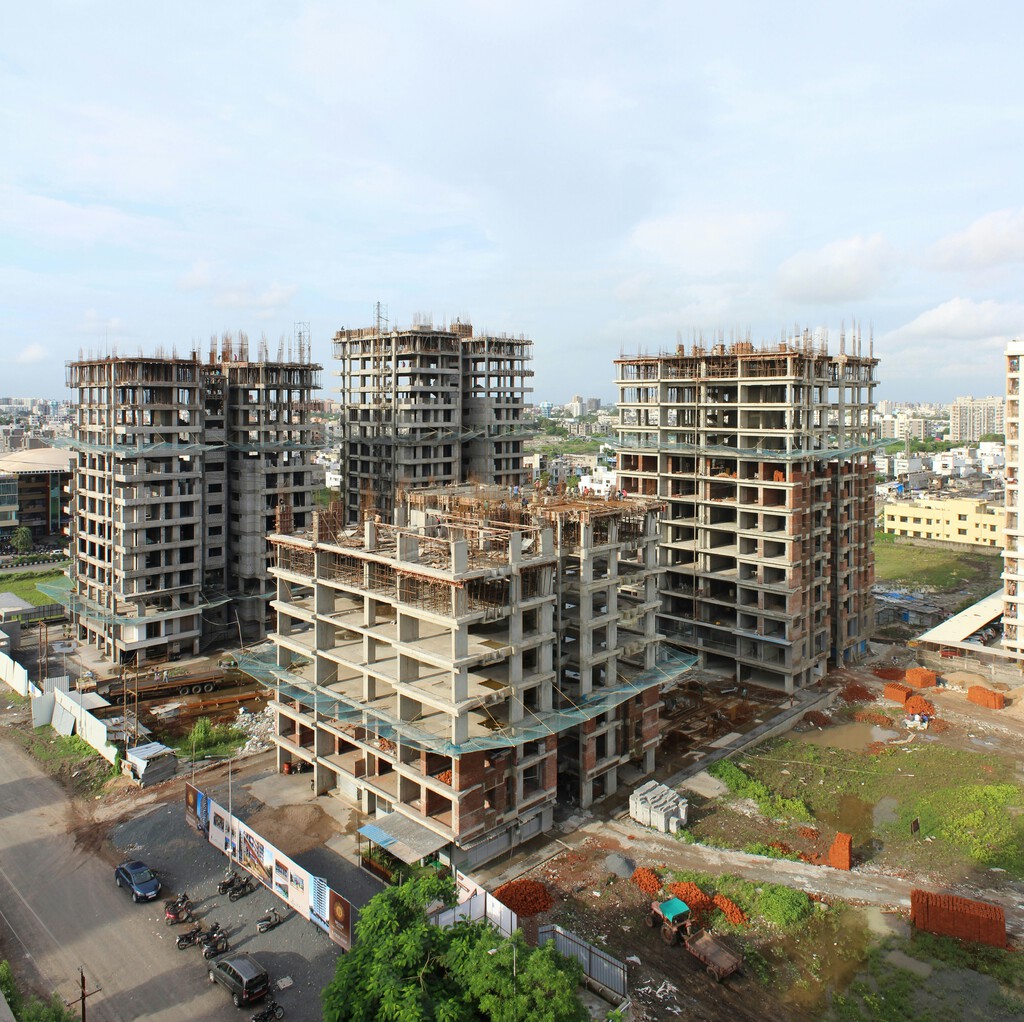
What Is the Land Lock Holding Back 2.9 Million Homes?
The land lock refers to the massive amount of developable land that remains undeveloped due to various obstacles. These include bureaucratic hurdles, lack of municipal initiative, and financial constraints faced by owners.
Ignacio Ezquiaga, an economist and real estate expert, published a study in the Círculo Cívico de Opinión detailing the "planned pending homes" in Spain's main urban areas. These are apartments and houses that should be built on plots but remain unbuilt.
The study highlights that the land is often in the hands of entities that either cannot or will not develop it. Municipalities may lack the resources or political will, while private owners may find development unprofitable or face regulatory barriers.
Why Is This Land Not Being Developed?
Several factors contribute to the land lock. First, after the housing crisis, many plots ended up in the hands of banks and investment funds that prioritized other assets or lacked development expertise.
Second, local governments often lack the capacity to drive housing projects. They may face budget constraints, administrative hurdles, or opposition from residents.
Third, regulatory complexity and lengthy approval processes discourage development. Builders may wait years for permits, increasing costs and uncertainty.
The Impact on Spain's Housing Market
The land lock exacerbates the housing deficit and drives prices up. With fewer homes available, demand outstrips supply, making housing less affordable, especially in major cities.
This affects young people and low-income families the most, as they struggle to find affordable housing. It also impacts economic growth, as workers may be unable to relocate to areas with jobs.
Moreover, the shortage of new housing limits urban development and can lead to inefficient land use, such as urban sprawl or overconcentration in certain areas.
Key Takeaways
- Spain has a housing deficit of approximately 700,000 homes, while 2.9 million potential homes are stuck in a land lock.
- The land lock is most acute in the 15 largest metropolitan areas, where 1.5 million potential homes are stalled.
- Municipalities, banks, and funds own much of this land but face barriers to development.
- Regulatory complexity and lack of resources contribute to the problem.
- Solving the land lock could significantly alleviate the housing shortage and stabilize prices.
Who Is Affected by the Land Lock?
The land lock affects a wide range of stakeholders. Homebuyers face higher prices and limited choices. Renters also feel the pinch as tight supply drives rents up.
Developers and builders miss out on opportunities due to the inability to access land. Local governments lose potential tax revenue and face social pressure to address housing needs.
Financial institutions holding land may see their assets underperform. Overall, the entire economy suffers from reduced mobility and productivity.
What Can Be Done to Unlock the Land?
Addressing the land lock requires coordinated efforts. Streamlining regulatory processes and reducing bureaucratic delays could encourage development.
Public-private partnerships can help municipalities develop land they own. Financial incentives or subsidies might make development viable in areas where it currently isn't.
Additionally, better data and transparency about land ownership and planning status could facilitate matching developers with available plots.
Comparison of Housing Deficit and Land Lock
| Metric | Value | Notes |
|---|---|---|
| Housing deficit | ~700,000 homes | Estimated shortfall in housing supply |
| Potential homes on locked land | 2.9 million | Homes that could be built on developed plots |
| Potential homes in top 15 metros | 1.5 million | Concentrated in largest urban areas |
| Time since housing bubble burst | ~20 years | Sector still recovering |
What to Watch Next
Policymakers are increasingly aware of the land lock's consequences. Recent discussions have focused on reforming land-use regulations and incentivizing development. The background to this story is set out in Spain's Housing Crisis: Construction Costs Slow Building. A related thread runs through Spain Housing Crisis: Tens of Thousands Protest in Madrid. Earlier coverage in Marinaleda Solves Spain's Housing Crisis With €20 Rent shows how the argument developed.
However, progress is slow, and the housing deficit continues to grow. Monitoring municipal actions and private sector initiatives will be key. A closer look at the same subject appears in Spain Housing Crisis: Can Sánchez Win Voters on Fair Housing. Anyone following the wider picture can start with Spain Housing Crisis: Maricarmen Eviction Sparks Nationwide Protests. The same theme surfaces in Spain Housing Crisis: New Eviction Bans and Rental Reforms, which takes a different angle.
Additionally, the evolution of interest rates and construction costs will influence the viability of unlocking land. Any economic downturn could further delay development. Context on how this played out before sits in Spain Snap Election 2026: Housing Crisis and Economic Fallout. A companion piece, Spain Housing Crisis: Inside the Growing Tent Camp Protest, approaches the same subject from another angle.
FAQ
What is the land lock in Spain's housing market?
The land lock refers to the situation where large amounts of developable land remain undeveloped due to bureaucratic, financial, or ownership barriers, preventing the construction of millions of potential homes.
How many homes are affected by the land lock?
Estimates suggest that 2.9 million potential homes are stuck on locked land, with 1.5 million of those in the 15 largest metropolitan areas.
Why is the land not being developed?
Land is often held by municipalities lacking resources or by banks and funds that find development unviable due to regulatory complexity, high costs, or lack of expertise.
What impact does the land lock have on housing prices?
By restricting supply, the land lock contributes to housing shortages and drives prices up, making housing less affordable, especially in major cities.
Browse the Shop
 Acacia frida deluxe solid wood bed frame |
Bedroom bench |
Bed chest drawers |
Lingerie dresser |
Frame base |
Mirror with jewelry storage |
30 Bathroom Vanity |
Memory foam queen mattress |
Mattresses for back pain |
Nightstand set of 2 |
Grand Goldman Shop |
Civil Lawyer
Deutschland Trikot WM 2026







