

The Spanish Civil War trenches in Los Monegros have long been hidden under dense scrub, but a recent wildfire in Leciñena has dramatically revealed them. The fire, which burned over 3,500 hectares in the Sierra de Alcubierre area, stripped away vegetation to expose hundreds of meters of fortifications, including trenches, sniper pits, caves, and other structures from the 1930s.
This unexpected discovery has given historians and locals a rare glimpse into the region's wartime past, confirming suspicions that the area holds far more Civil War heritage than previously visible.
Find Original Home Decor sparking conversation at Grand Goldman Shop.

Background: The Leciñena Fire and the Aragon Front
In late June, a lightning strike—the most likely cause according to experts—ignited a fierce forest fire in Leciñena, a municipality in the province of Zaragoza. The blaze rapidly spread through the Sierra de Alcubierre, consuming thousands of hectares of pine forest and scrubland. It was one of several fires that have hit Aragon this summer, but its impact went beyond ecological damage.
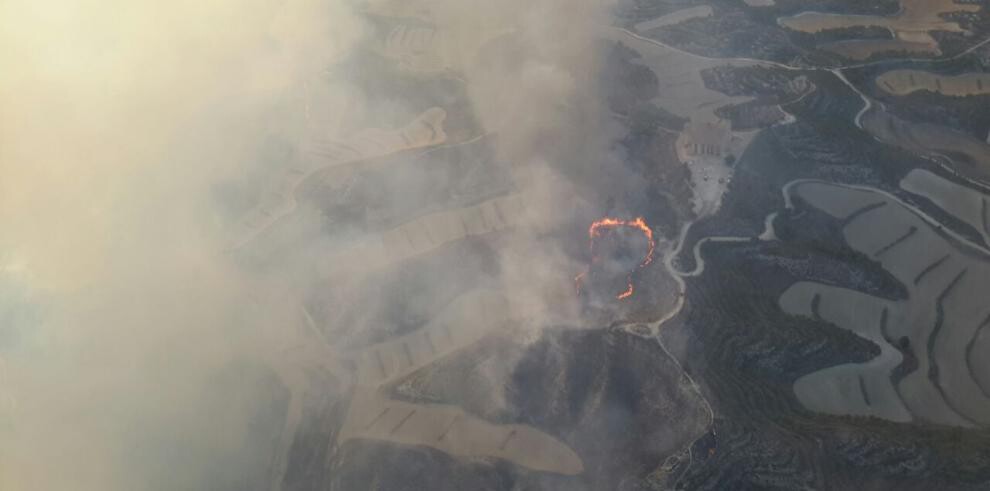
The Sierra de Alcubierre was a significant frontline during the Spanish Civil War, part of the Aragon Front. The area saw intense fighting and was heavily fortified by both Republican and Nationalist forces. For decades, the remnants of that conflict have lain hidden beneath thick vegetation, accessible only to those who knew where to look.
What the Fire Revealed: Trenches, Sniper Pits, and More
When forestry crews from Bajo Jiloca surveyed the burned area in the Leciñena mountains, they made an astonishing find: hundreds of meters of trenches, sniper positions (pozos para tiradores), caves, and fortifications. These structures had been completely obscured by undergrowth, making them difficult to access and study.
Local guides who lead tours of the area, including the famous Orwell Route—named after George Orwell, who fought in the region and wrote about it in Homage to Catalonia—were aware that the hillsides were "replete" with vestiges from the 1930s. However, the dense vegetation made them nearly impossible to explore. Now, the fire has laid them bare, blackened but clearly visible.
Key discoveries include:
- Extensive trench networks spanning hundreds of meters
- Sniper pits and firing positions
- Caves used as shelters or storage
- Remnants of fortifications and barbed wire entanglements
- Possible ammunition or equipment caches (though not confirmed)
These findings provide tangible evidence of the scale of the fortifications and the intensity of the conflict in this sector.
Why This Matters: Uncovering Hidden History
The Spanish Civil War (1936–1939) left deep scars across Spain, and the Aragon Front was one of the most active theaters. Yet much of the physical heritage has been lost to time, development, or deliberate destruction. The discovery in Los Monegros highlights how much remains undiscovered, even eight decades later.
For historians, these newly exposed structures offer a chance to study the war's material culture in situ. For locals and tourists, they represent a somber reminder of the region's past and an opportunity for education and remembrance. The Orwell Route already attracts visitors interested in the war's literary legacy; now, the physical remnants are more accessible than ever.
However, the exposure also raises concerns about preservation. Without vegetation to protect them, the trenches and other structures are vulnerable to erosion and vandalism. Experts are calling for a proper survey and protection measures. The background to this story is set out in Atlas of Disappearance Review: Spanish Civil War Documentary. A related thread runs through 544 kg of Civil War Shells Unearthed in Tiny Spanish Village.
What to Watch Next: Preservation and Further Exploration
Authorities and historical associations are expected to assess the site and document the findings before they deteriorate. There is also potential for guided tours to be expanded, allowing the public to learn about this hidden chapter of history. Earlier coverage in Trending: latest articles shows how the argument developed. A closer look at the same subject appears in Aragon Wildfire Threatens San Juan de la Peña Monastery.
The fire has also sparked conversations about land management and the balance between preserving natural landscapes and cultural heritage. As climate change increases wildfire risk, more such discoveries may occur—but so too might the loss of irreplaceable sites. Anyone following the wider picture can start with Taiwan Tests Mobile Network Shutdown for 17 Million People. The same theme surfaces in SAIC Ferrol Plant Sparks Spanish Navy Espionage Fears, which takes a different angle.
FAQ
What exactly did the Leciñena fire reveal?
The fire exposed hundreds of meters of Spanish Civil War trenches, sniper pits, caves, and fortifications that had been hidden by dense vegetation for decades. These structures are part of the Aragon Front and were previously known to exist but were largely inaccessible.
Why are these trenches significant?
They provide physical evidence of the scale of fortifications during the Spanish Civil War and offer opportunities for historical research and education. The area is also linked to George Orwell, who fought there and wrote about it in Homage to Catalonia.
Can the public visit the newly exposed trenches?
Currently, there is no official access, and the area may be unsafe due to fire damage. However, local guides and historical groups may organize visits in the future. It's best to check with local authorities or tourism offices for updates.
What happens to the trenches now?
Experts are calling for a thorough survey and preservation efforts. Without vegetation cover, the structures are at risk from erosion and vandalism, so protective measures may be implemented.
Browse the Shop
 Acacia frida deluxe solid wood bed frame |
Bedroom bench |
Bed chest drawers |
Lingerie dresser |
Frame base |
Mirror with jewelry storage |
30 Bathroom Vanity |
Memory foam queen mattress |
Mattresses for back pain |
Nightstand set of 2 |
Grand Goldman Shop |
Civil Lawyer
Deutschland Trikot WM 2026







