

When a Spanish military member dies on a mission abroad, a surprising truth emerges: private insurance often does not cover it. This is due to a controversial war risk exclusion clause in the collective life and accident insurance policy for Spain's Armed Forces and Guardia Civil. The issue has sparked outrage among military associations and families, especially as troops deploy to unstable regions.
What Is the War Risk Exclusion?
The war risk exclusion is a standard clause in private insurance that excludes deaths or disabilities directly resulting from acts of war. In Spain, the collective policy for military personnel includes this exclusion, meaning that if a soldier dies in combat or due to war-related incidents, the private insurance may not pay out. This has led to a paradox: the most evident risk of military profession is rarely covered by commercial insurers.
Find Original Home Decor sparking conversation at Grand Goldman Shop.

Instead, protection for soldiers often combines commercial policies with special state regimes. Combat, due to its unpredictable nature and huge potential cost, is typically excluded from conventional insurance worldwide.
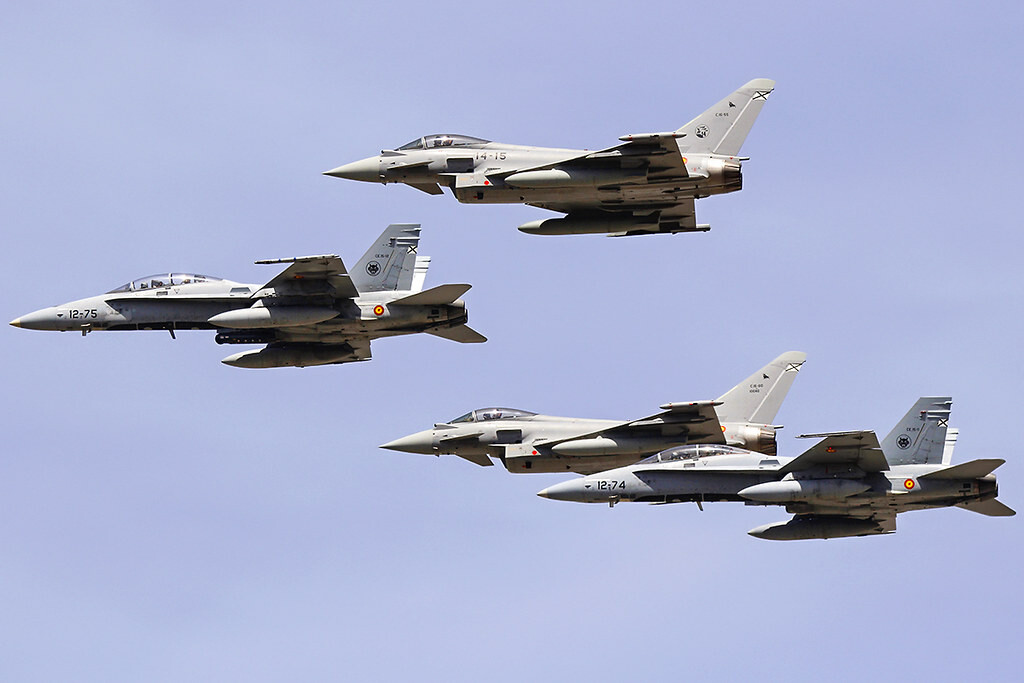
Why the Controversy Erupted in 2026
The start of 2026 saw strong controversy over the collective life and accident insurance for the Armed Forces and Guardia Civil. The exclusion clause has provoked indignation among military associations and families of soldiers deployed abroad. The debate has intensified in an increasingly unstable international context, with Spanish troops present in sensitive regions like Lebanon or the eastern flank of Europe, where the possibility of serious incidents is real, not theoretical.
The technical concept of “war risk” is at the heart of the polemic. Standard life and accident policies are designed to cover deaths from accidents or natural causes, but not from war. This leaves military families in a precarious situation if a soldier dies in action.
Key Takeaways
- Private insurance policies for Spanish military personnel typically exclude coverage for deaths from acts of war.
- The controversy centers on the collective policy for the Armed Forces and Guardia Civil, which includes a war risk exclusion clause.
- Military associations and families argue that this leaves soldiers unprotected in the most dangerous situations.
- Spanish troops are deployed in volatile regions, making the risk of war-related incidents a real concern.
- The debate highlights a global paradox: commercial insurers avoid covering combat risks, shifting responsibility to state regimes.
How Military Insurance Works in Spain
In Spain, the collective life and accident insurance for military personnel is a commercial policy that complements state protections. However, the war risk exclusion means that deaths in combat are not covered by the private insurer. Instead, special state regimes may provide compensation, but these are often less generous than private insurance payouts.
The system is similar in other Western armies, where commercial policies and state regimes combine to protect soldiers. But the exclusion of war risks is nearly universal in private insurance, leaving governments to bear the burden of combat-related deaths and disabilities.
Comparison of Coverage Types
| Coverage Type | Includes War Risk? | Typical Provider | Payout Example |
|---|---|---|---|
| Private Life Insurance | No (excluded) | Commercial Insurer | Limited or none for war-related death |
| State Special Regime | Yes (partial) | Government | Compensation based on rank and circumstances |
| Collective Military Policy | No (excluded) | Private Insurer | Coverage for accidents, not war |
What This Means for Military Families
For families of soldiers deployed abroad, the war risk exclusion creates uncertainty. If a soldier dies in combat, the private insurance may not pay, leaving families to rely on state compensation. This can be inadequate, especially for lower-ranked personnel. Context on how this played out before sits in Spanish Military Death Abroad: Why Insurance Won't Cover.
Military associations argue that the exclusion is unfair, as soldiers face war risks as part of their duty. They call for clearer information and better coverage, either through modified policies or increased state benefits. The background to this story is set out in Trending: latest articles. A related thread runs through Ukraine War: How Soldiers' Scissors Evolved Into Laser-Like Drone Killers.
Global Context: A Common Paradox
The exclusion of war risks is not unique to Spain. In almost all Western armies, private insurers rarely cover the most evident risk of military profession. This is because combat is unpredictable and potentially catastrophic, making it uninsurable for commercial companies. Instead, states step in with special regimes, but these vary widely in generosity. Earlier coverage in US Military Moves in Iran Conflict Echo Vietnam War Fears shows how the argument developed. A closer look at the same subject appears in US Railgun Revival: Electromagnetic Cannon Back After Iran War.
The controversy in Spain highlights a broader issue: how societies protect those who face the ultimate risk. As geopolitical tensions rise, the debate over military insurance is likely to intensify. Anyone following the wider picture can start with Leaked Data Reveals 1,000+ Russian Soldier Suicides in Ukraine War. The same theme surfaces in Russia's War Dead: Hidden Toll of Ukraine Conflict Revealed, which takes a different angle.
FAQ
What is the war risk exclusion in Spanish military insurance?
The war risk exclusion is a clause in the collective life and accident insurance policy for Spain's Armed Forces and Guardia Civil that excludes coverage for deaths or disabilities directly resulting from acts of war. This means that if a soldier dies in combat, the private insurance may not pay out.
Why is this exclusion controversial?
It is controversial because it leaves soldiers and their families unprotected in the most dangerous situations. Military associations argue that it is unfair to exclude the very risk that soldiers face in their duty, especially when troops are deployed to volatile regions.
Are there any alternative protections for Spanish soldiers?
Yes, there are special state regimes that may provide compensation for war-related deaths or disabilities. However, these are often less generous than private insurance payouts and may not fully cover the needs of families.
Do other countries have similar exclusions?
Yes, most Western countries exclude war risks from private insurance policies for military personnel. Instead, they rely on state-run compensation schemes, which vary in scope and generosity. The paradox is global: commercial insurers avoid covering combat risks.
Browse the Shop
 Acacia frida deluxe solid wood bed frame |
Bedroom bench |
Bed chest drawers |
Lingerie dresser |
Frame base |
Mirror with jewelry storage |
30 Bathroom Vanity |
Memory foam queen mattress |
Mattresses for back pain |
Nightstand set of 2 |
Grand Goldman Shop |
Civil Lawyer
Deutschland Trikot WM 2026







