

Svalbard, the Norwegian archipelago located over 900 kilometers from mainland Norway, has become a focal point where Russia is testing NATO's Article 5 and the broader European security order. For nearly a century, this Arctic territory was a rare place where Russia and the West managed to coexist even as relations soured elsewhere. Now, the very exceptionality that kept the peace is what worries Oslo and its allies.
The Svalbard Treaty of 1920 recognizes Norwegian sovereignty over the islands but grants signatories economic rights and prohibits their use for warlike purposes or the establishment of naval bases or fortifications. Russia inherited a massive Soviet presence there—during the Cold War, about 2,400 Soviet citizens lived in Spitsbergen, representing roughly 70% of the population. Today, that presence is concentrated mainly in Barentsburg, a former mining town administered by the Russian state-owned company Trust Arktikugol.
Find Original, High-end Home Decor that spark conversation at Grand Goldman Shop.
Why Svalbard Is a Special Case in the Arctic
Svalbard's unique status makes it a legal and geopolitical anomaly. The treaty allows citizens of signatory countries to engage in certain economic activities, and Russia has maintained a foothold through mining and tourism. This arrangement has long been seen as a stabilizing factor, but it also creates ambiguity that Russia can exploit.
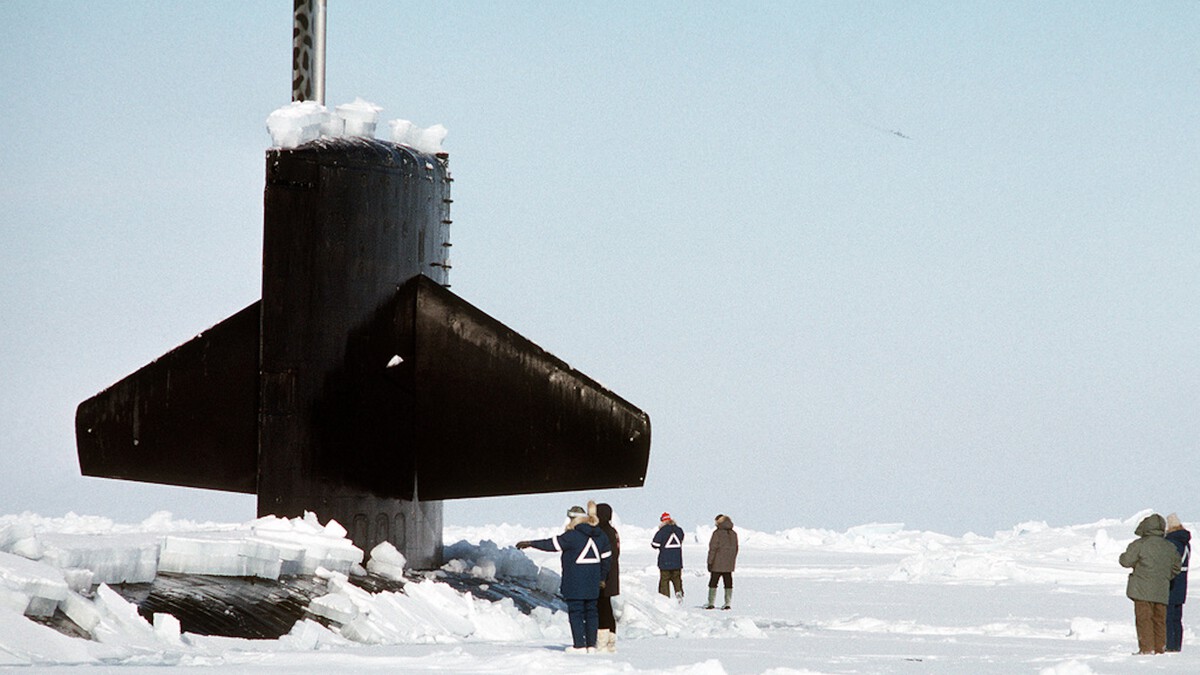
Norway's concerns are not limited to a scenario of Russian soldiers landing on Svalbard. Since the full-scale invasion of Ukraine, Norwegian authorities and experts have pointed to a series of actions that test the boundaries of the treaty and NATO's collective defense commitments.
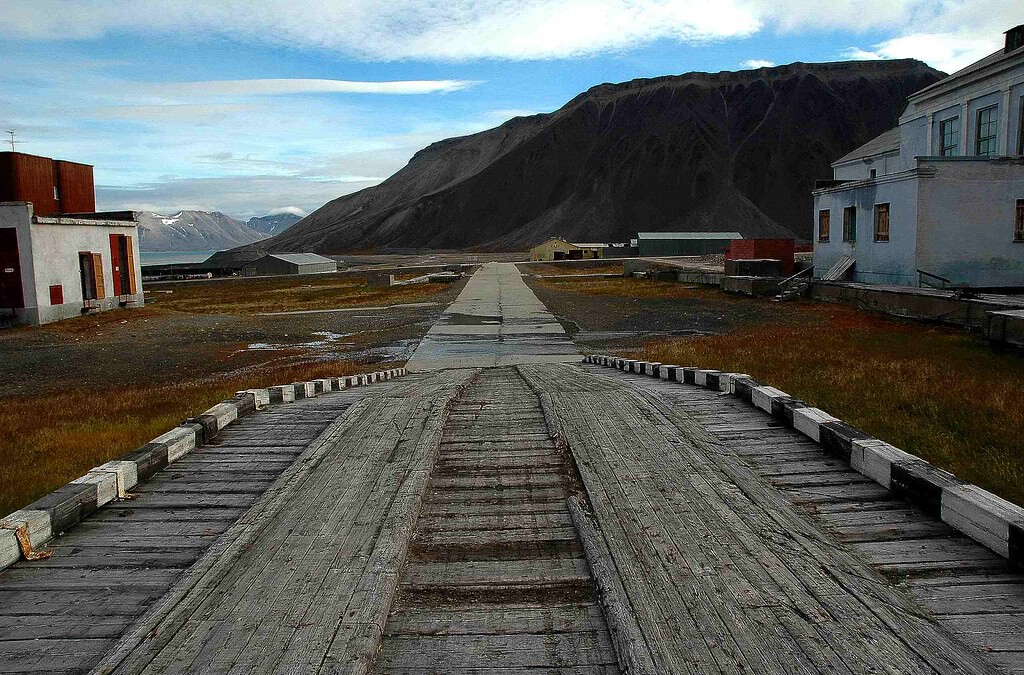
How Russia Is Testing NATO's Article 5
Russia's tactics in Svalbard are part of a broader hybrid strategy that blurs the line between peace and conflict. These actions are designed to stay below the threshold of armed attack while still challenging NATO's resolve.
- Legal and administrative pressure: Russia has contested Norway's regulatory measures, such as environmental protections and limits on helicopter flights, arguing they violate the treaty's equal-access provisions.
- Economic leverage: Trust Arktikugol maintains a presence that serves as a pretext for Russian activity, even as mining becomes less viable.
- Information operations: Russian media and officials frequently accuse Norway of militarizing the islands, a narrative that undermines trust.
- Dual-use infrastructure: Civilian facilities and research stations can be repurposed for intelligence gathering or other non-kinetic operations.
These moves put NATO in a difficult position: they are aggressive but not clearly military, making a collective response under Article 5 legally and politically complex.
The Strategic Stakes for Norway and NATO
Svalbard sits at the crossroads of the Arctic, the North Atlantic, and the Barents Sea. Its location is vital for monitoring Russian naval activity and for early warning of missile launches. Norway has a responsibility to defend the archipelago, but it must do so without violating the treaty's demilitarization clauses.
For NATO, the challenge is to deter Russian encroachment without escalating tensions. The alliance has increased its presence in the High North, but Svalbard remains a sensitive spot where any misstep could trigger a crisis. The background to this story is set out in NATO Article 5 and Spain's Ceuta and Melilla Dilemma. A related thread runs through Norway Doubles Down on Oil and Gas for European Energy Security. Earlier coverage in Norwegian Teen Convicted in UK Contract Killing Plot shows how the argument developed.
What to Watch Next in the Arctic
Several developments will indicate whether Russia's pressure campaign intensifies. Norway's response to Russian legal challenges and its ability to maintain a credible defense will be crucial. NATO's willingness to publicly reaffirm its commitment to Svalbard's security will also matter. A closer look at the same subject appears in Slow Swedish Summer: Exploring Östergötland's Archipelago Islands. Anyone following the wider picture can start with Slow Swedish Summer: Tranquil Östergötland Archipelago Islands. The same theme surfaces in Slow Swedish Summer: Östergötland Archipelago Islands Guide, which takes a different angle.
Additionally, the economic viability of Barentsburg and the potential for new Russian investments in tourism or research could provide cover for further expansion. Any move that appears to militarize the islands would cross a red line for Oslo. Context on how this played out before sits in Slow Swedish Summer: Östergötland Archipelago Travel Guide. A companion piece, US Denmark Reach Arctic Security Deal on Greenland, approaches the same subject from another angle.
FAQ
What is Svalbard's legal status?
Svalbard is a Norwegian archipelago whose sovereignty is recognized by the 1920 Svalbard Treaty. The treaty grants signatory countries equal rights to engage in certain economic activities, but prohibits military use and the establishment of naval bases or fortifications.
Why is Russia interested in Svalbard?
Russia maintains a presence through the state-owned Trust Arktikugol in Barentsburg, a legacy of Soviet-era mining. Strategically, Svalbard offers access to the Arctic and a platform to challenge NATO's unity and Norway's sovereignty.
How does Svalbard relate to NATO's Article 5?
Article 5 commits NATO members to collective defense if one is attacked. Russia's hybrid actions in Svalbard test whether NATO would respond to ambiguous aggression, potentially undermining the alliance's credibility.
What is Norway doing to protect Svalbard?
Norway enforces its regulations and maintains a military presence in the region, while balancing treaty obligations. It also works with NATO allies to monitor Russian activity and ensure deterrence.
Browse the Shop
 Acacia frida deluxe solid wood bed frame |
Bedroom bench |
Bed chest drawers |
Lingerie dresser |
Frame base |
Mirror with jewelry storage |
30 Bathroom Vanity |
Memory foam queen mattress |
Mattresses for back pain |
Nightstand set of 2 |
Grand Goldman Shop |
Civil Lawyer
Deutschland Trikot WM 2026










