

When a total solar eclipse arrives, having the right solar eclipse photography gear in your camera bag is the difference between a once-in-a-lifetime shot and a missed opportunity. With the event lasting only minutes, preparation is everything.
This August 12, Spain will experience its first total solar eclipse in over a century. The path of totality will draw thousands of photographers from around the world, all hoping to capture the sun's corona as it dips low on the horizon near sunset.
Find Original Home Decor sparking conversation at Grand Goldman Shop.

Why the August 12 Eclipse Is a Photographer's Dream
The eclipse will occur close to sunset, when the sun is low in the sky. This creates unique opportunities for dramatic compositions with monuments and landscapes silhouetted against the darkened sun.
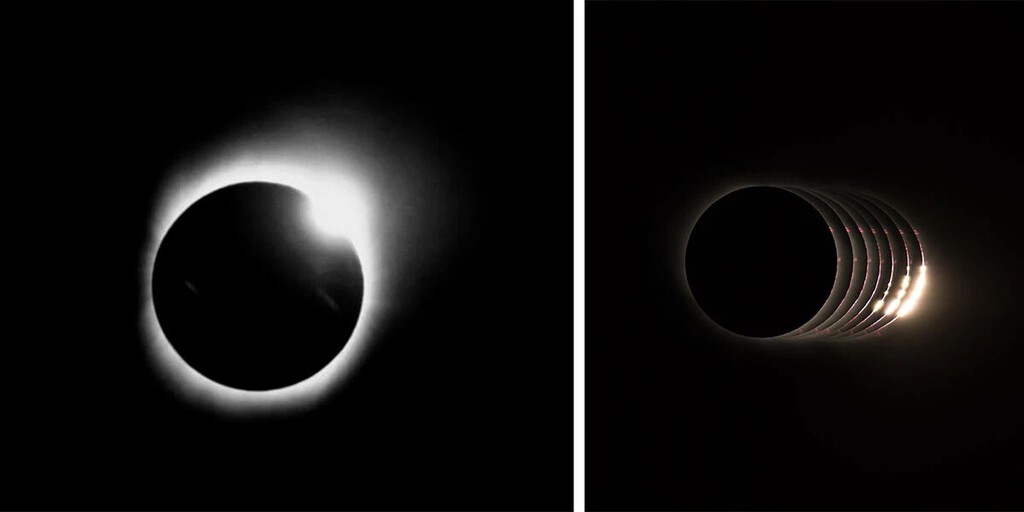
It's the first of three solar eclipses visible from Spain in the coming years, which is why anticipation is at an all-time high. Hotels have been booked for months, and photographers are finalizing their plans.
Essential Gear for Shooting the Eclipse
To safely and successfully photograph the eclipse, you'll need specialized equipment. Here's what should be in your bag:
- ND filters – Crucial for reducing the sun's intense light and protecting your eyes and sensor.
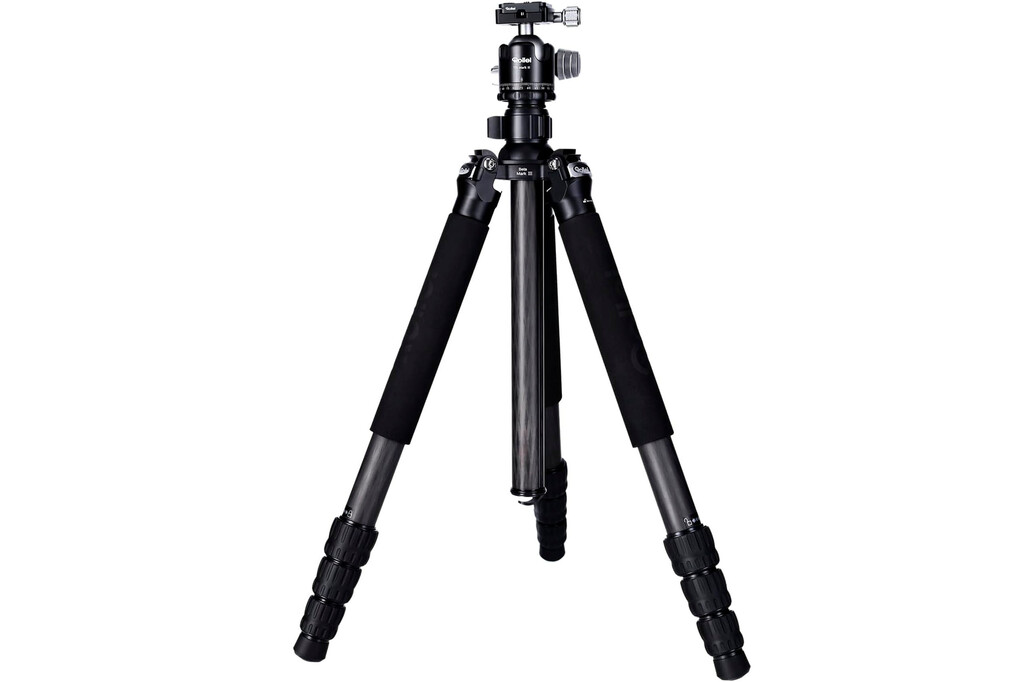
- Sturdy tripod – Eliminates camera shake during long exposures and precise framing.
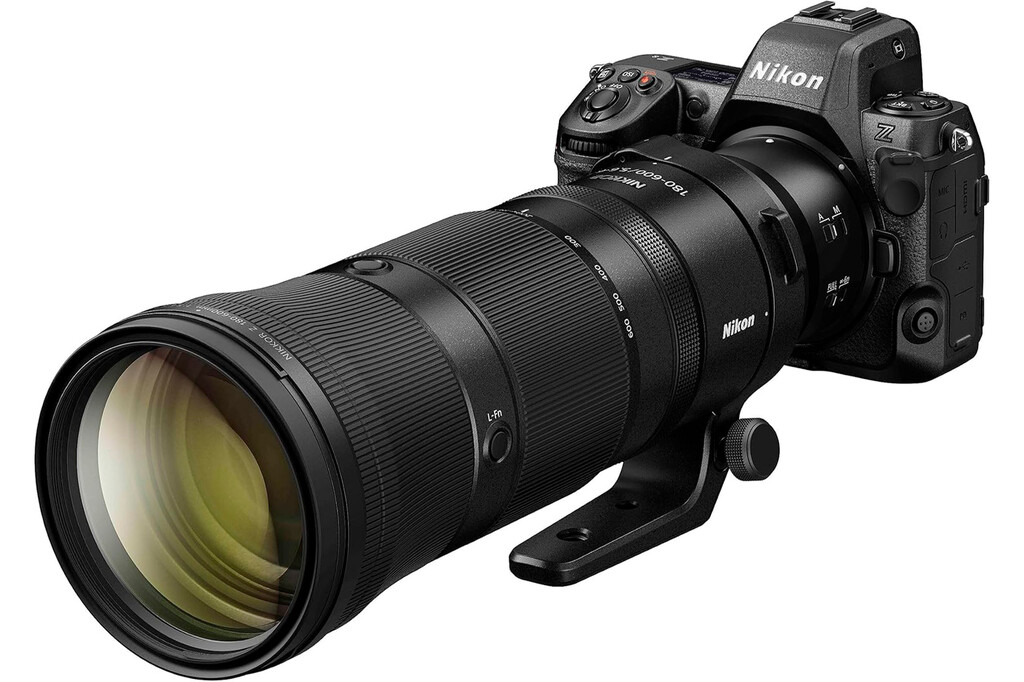
- Telephoto lens – Brings the sun and corona up close for detailed shots.
- Remote shutter release – Prevents vibrations when triggering the camera.
- Extra batteries and memory cards – The event is short; don't run out of power or space.
ND Filters: Your First Line of Defense
Never look directly at the sun without proper filtration, and that goes for your camera too. A solar ND filter (neutral density filter) reduces the sun's brightness by several stops, allowing you to photograph the partial phases safely.
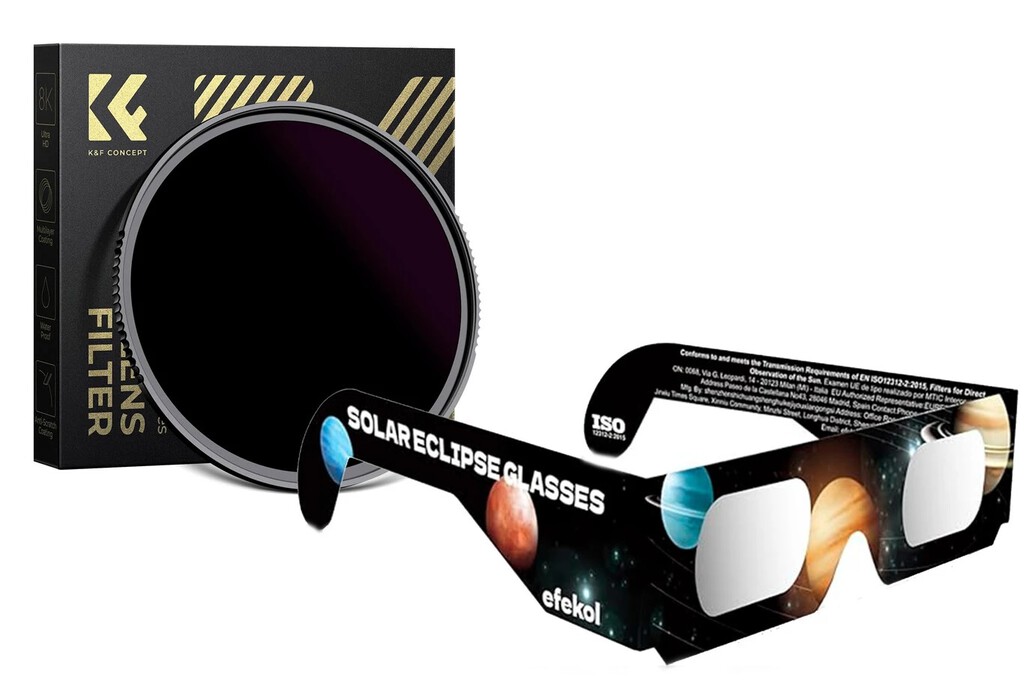
For totality, when the sun's face is completely covered, you can remove the filter to capture the corona. But during partial phases, always keep it on.
Choosing the Right ND Filter
Look for filters specifically designed for solar photography, often labeled as solar filters or ND 5.0 or higher. They should fit securely over your lens and block harmful infrared and ultraviolet light.
| Gear Item | Recommended Specs | Why It's Essential |
|---|---|---|
| ND Filter | ND 5.0 or higher, solar-safe | Protects eyes and sensor; enables safe partial-phase shots |
| Tripod | Sturdy, with fine adjustment | Stability for sharp images and precise tracking |
| Telephoto Lens | 200mm or longer (full-frame equivalent) | Magnifies the sun for detailed corona capture |
| Remote Shutter | Wired or wireless | Eliminates camera shake during exposure |
| Extra Batteries | At least 2 spare batteries | Cold temperatures and long use drain power |
Planning Your Shoot: Location and Timing
Scout your location in advance. You'll want an unobstructed view of the western horizon since the eclipse happens near sunset. Arrive early to set up and test your equipment.
Practice your workflow before the event. Know exactly what settings you'll use for partial and total phases, and have a checklist to avoid fumbling in the dark.
Composition Ideas
Include foreground elements like monuments, trees, or silhouettes to add depth. The low sun angle makes for stunning compositions with long shadows and warm light.
Safety First: Protect Your Eyes
Use certified eclipse glasses when looking at the sun directly. Never view the partial phases through a camera's optical viewfinder without a solar filter—it can cause permanent eye damage.
If your camera has a live view screen, use it to frame and focus safely. Keep your filters secure and check them for damage before use. The background to this story is set out in Vivo X Fold6: Foldable With 6,900 mAh Battery and Telephoto Kit. A related thread runs through Motorola Edge 70 Pro+: Leaked in five colors with 3.5x telephoto lens. Earlier coverage in Best Hidden Cameras for Purse & Bag (with Lasting Battery) shows how the argument developed.
What to Watch Next
After this eclipse, two more solar eclipses will be visible from Spain in the coming years. Use this event as a learning experience to refine your technique and gear for future opportunities. A closer look at the same subject appears in 10 Best Leather Camera Bag (Reviews). Anyone following the wider picture can start with Aldi's AI Tripod: The Must-Have Gadget for Family Photos. The same theme surfaces in Vacation with Your Dog: Rules, Bans & Essential Gear, which takes a different angle.
Stay updated on weather forecasts and have a backup plan. Clear skies are crucial, so be ready to relocate if clouds threaten your chosen spot. Context on how this played out before sits in Wall Decorations: Essential Tools & Smart Gear for DIY Projects. A companion piece, Camping with Kids: Essential Gear for a Stress-Free Family Trip, approaches the same subject from another angle.
FAQ
Can I photograph the eclipse with a smartphone?
Yes, but you'll need a solar filter over the lens to protect the sensor. Smartphones can capture the partial phases and totality, but a dedicated camera with a telephoto lens will yield better detail.
What ND filter strength do I need for the eclipse?
For partial phases, use a solar filter with ND 5.0 or higher (reduces light by about 16 stops). For totality, you can remove the filter to capture the corona.
How do I focus on the sun during the eclipse?
Use live view and manual focus. Autofocus may struggle with the sun's brightness. Focus on the edge of the sun or moon for sharpness.
Is it safe to use a telephoto lens without a filter during totality?
Yes, during totality when the sun's face is completely covered, you can safely remove the filter. But be ready to replace it as soon as totality ends.
Browse the Shop
 Acacia frida deluxe solid wood bed frame |
Bedroom bench |
Bed chest drawers |
Lingerie dresser |
Frame base |
Mirror with jewelry storage |
30 Bathroom Vanity |
Memory foam queen mattress |
Mattresses for back pain |
Nightstand set of 2 |
Grand Goldman Shop |
Civil Lawyer
Deutschland Trikot WM 2026







