

Turkey's Canal Istanbul plan to build an artificial waterway bypassing the Bosphorus Strait is back in the spotlight. The project, which has been discussed for years, aims to create a new maritime route under Ankara's direct control, potentially reshaping trade and geopolitics in the region.
The Bosphorus is a vital chokepoint for global shipping, connecting the Black Sea to the Mediterranean. With tensions high in other straits like Hormuz, Turkey's ambitions raise important questions about the future of maritime trade and national sovereignty.
Find Original Home Decor sparking conversation at Grand Goldman Shop.

What Is Canal Istanbul?
Canal Istanbul is a proposed artificial sea-level waterway that would run parallel to the Bosphorus, connecting the Black Sea to the Sea of Marmara. The idea dates back to the 16th century when Ottoman sultans considered similar projects to control maritime traffic. The modern plan envisions a 45-kilometer canal west of Istanbul, designed to accommodate large vessels and reduce congestion in the Bosphorus.
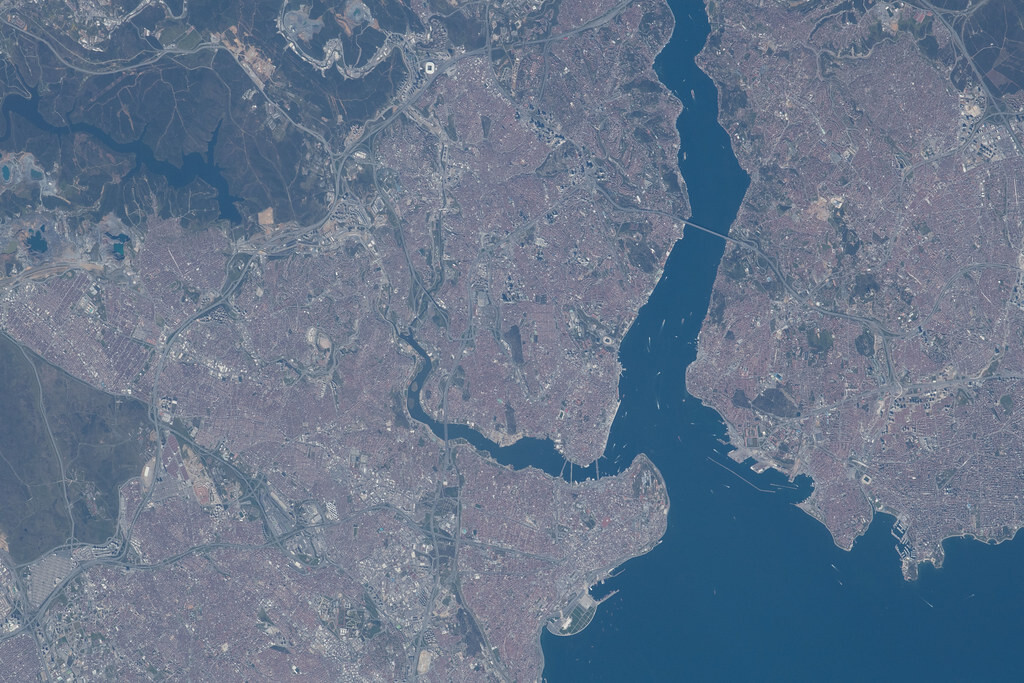
Proponents argue that the canal would generate revenue through transit fees, enhance Turkey's geopolitical leverage, and improve safety by diverting risky cargo, such as oil tankers, away from the densely populated Bosphorus. Critics, however, question the environmental impact, the enormous cost, and the potential violation of the Montreux Convention, which governs passage through the Turkish Straits.
Why the Bosphorus Matters
The Bosphorus is one of the world's busiest and most strategically important straits. It serves as the only outlet for Russia, Ukraine, and other Black Sea nations to access global markets. Under the Montreux Convention of 1936, Turkey controls the straits but must allow free passage for civilian vessels in peacetime and impose restrictions on warships.
This international agreement limits Turkey's ability to charge tolls or restrict traffic, making the Bosphorus a free natural passage. Canal Istanbul would be a Turkish national project, not covered by Montreux, giving Ankara full authority to regulate and monetize traffic. That prospect is both enticing and controversial.
Geopolitical and Economic Implications
The timing of the renewed interest in Canal Istanbul is significant. Global attention is focused on the Strait of Hormuz, where tensions between Iran, the US, and Israel threaten oil shipments. This highlights how vulnerable the world economy is to disruptions at key maritime chokepoints. Turkey sees an opportunity to position itself as an alternative route and a reliable energy corridor. The longer history behind the story is traced in Turkey's Canal Istanbul Plan: A New Bosphorus Bypass.
Economically, the canal could attract ships willing to pay for faster transit or to avoid the congestion and safety risks of the Bosphorus. However, the project's estimated cost of around $15 billion (and potentially much more) raises doubts about its feasibility, especially amid Turkey's economic challenges. Environmental groups warn that the canal could damage Istanbul's water supply, marine ecosystems, and urban fabric. The background to this story is set out in Mediterranean Plastic Pollution: Egypt, Italy, Turkey Blamed Unfairly. A related thread runs through AI Doomsday Fears: Trump and Xi Discuss Global AI Governance. Earlier coverage in Trending: latest articles shows how the argument developed.
- Strategic control: Canal Istanbul would give Turkey full sovereignty over a new maritime route, bypassing the Montreux Convention.
- Economic potential: Transit fees could generate significant revenue, but construction costs and environmental risks are major hurdles.
- Geopolitical leverage: The canal could enhance Turkey's role as an energy and trade hub, especially amid Middle East tensions.
- Environmental concerns: Critics fear irreversible damage to Istanbul's water resources and ecosystems.
- Legal ambiguity: The project's status under international law remains unclear and could spark disputes.
Comparing the Bosphorus and Canal Istanbul
| Feature | Bosphorus Strait | Canal Istanbul (Proposed) |
|---|---|---|
| Length | ~30 km | ~45 km |
| Legal Status | Governed by Montreux Convention (international) | Turkish national project (no international treaty) |
| Transit Fees | Free for civilian vessels (peacetime) | Potentially toll-based |
| Traffic Volume | ~40,000 ships per year | Designed to relieve congestion |
| Environmental Impact | Already under stress | Significant new risks |
What to Watch Next
Turkey's government has revived the Canal Istanbul project with renewed vigor, but its future remains uncertain. Construction has not yet begun, and financing is a major question. Environmental lawsuits and public opposition could delay or halt the project. Meanwhile, international reactions, particularly from Russia and other Black Sea states, will be crucial. A closer look at the same subject appears in Europe's Record Cooling and Defense Spending Boosts Turkey Trade. Anyone following the wider picture can start with Russia's Caspian Route to Iran: The Hidden Drone Supply Line. The same theme surfaces in Mayan Elites Traded Pedigreed Dogs Over 1,000 Years Ago, which takes a different angle.
As global trade routes face increasing pressure, the idea of alternative corridors is gaining traction. Whether Canal Istanbul becomes a reality or remains a pipe dream, it underscores the strategic importance of maritime chokepoints and the lengths nations will go to control them. Context on how this played out before sits in Panama Canal Profits as Strait of Hormuz Closure Forces Ships to Pay Record. A companion piece, New Orleans Port Files $1M Lawsuit After Tanker Hits Cruise Ship, approaches the same subject from another angle.
FAQ
What is Canal Istanbul?
Canal Istanbul is a proposed artificial waterway in Turkey that would run parallel to the Bosphorus Strait, connecting the Black Sea to the Sea of Marmara. It aims to reduce congestion and give Turkey control over a new maritime route.
Why is the Bosphorus important?
The Bosphorus is a critical chokepoint for global shipping, providing the only access from the Black Sea to the Mediterranean. It is governed by the Montreux Convention, which ensures free passage for civilian vessels.
How would Canal Istanbul affect the Montreux Convention?
Canal Istanbul would be a Turkish national project, not subject to the Montreux Convention. This would allow Turkey to regulate traffic and charge fees without international oversight, potentially altering the balance of power in the region.
What are the main criticisms of Canal Istanbul?
Critics cite the enormous cost, environmental risks to Istanbul's water supply and ecosystems, and potential legal and diplomatic complications with other countries that rely on the Bosphorus.
Browse the Shop
 Acacia frida deluxe solid wood bed frame |
Bedroom bench |
Bed chest drawers |
Lingerie dresser |
Frame base |
Mirror with jewelry storage |
30 Bathroom Vanity |
Memory foam queen mattress |
Mattresses for back pain |
Nightstand set of 2 |
Grand Goldman Shop |
Civil Lawyer
Deutschland Trikot WM 2026







