

The UK has begun intercepting and boarding vessels from Russia's shadow fleet near Gibraltar, marking a significant shift in how sanctions are enforced at sea. This move, highlighted by the recent boarding of the tanker MV Deyna, signals that pressure on Russia's opaque oil network is moving from legal and financial measures to direct operational action.
Gibraltar, a British Overseas Territory at the entrance to the Mediterranean, is one of the world's busiest maritime chokepoints. Over 100,000 ships pass through the Strait of Gibraltar each year, including thousands of oil tankers. Any disruption to this flow has direct implications for European energy markets and global shipping.
Find Original Home Decor sparking conversation at Grand Goldman Shop.

What Is Russia's Shadow Fleet?
Russia's shadow fleet is a network of hundreds of aging tankers used to transport Russian crude oil despite international sanctions. These vessels often operate under opaque ownership structures, frequently change flags, and use complex corporate arrangements to evade detection and restrictions.
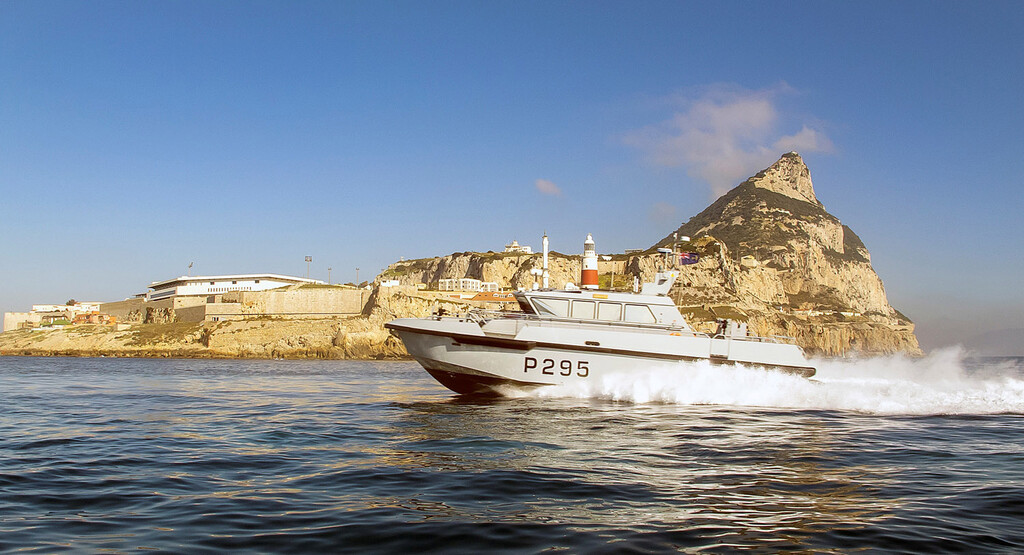
The fleet has been instrumental in sustaining Russia's oil revenues, which fund its war efforts. By using these ships, Russia can sell oil to buyers who might otherwise be deterred by sanctions, often at discounted prices. The fleet's operations have been difficult to track and disrupt due to their deliberately murky nature.
Why Gibraltar and the UK Are Stepping Up
Gibraltar's strategic location makes it a natural focal point for monitoring and intercepting sanctioned vessels. The UK, as the territory's sovereign power, has increased its naval presence and coordination with Spanish authorities to identify and board suspicious ships.
The boarding of the MV Deyna is a clear example of this new approach. According to reports, the Royal Navy tracked the vessel, identified it as part of the shadow fleet, and facilitated its boarding. This operational escalation is designed to disrupt the flow of Russian oil and signal that sanctions will be enforced actively.
For Spain, this development is particularly significant. The country's economy is closely tied to maritime trade, and any instability in the Strait of Gibraltar could affect energy prices and security. Spain has been cooperating with the UK and other EU partners to monitor Russian maritime activity.
How the Shadow Fleet Operates
The shadow fleet relies on a range of tactics to avoid detection. These include:
- Using older, less regulated tankers that are often poorly maintained.
- Frequently changing vessel names, flags, and ownership details.
- Turning off AIS (Automatic Identification System) transponders to hide their movements.
- Conducting ship-to-ship transfers in remote locations to obscure the origin of cargo.
- Employing complex corporate structures registered in multiple jurisdictions.
These methods make it challenging for authorities to track and prove sanctions violations. However, increased intelligence sharing and naval coordination are beginning to close the gaps.
Comparing Enforcement Approaches
Different countries and organizations have taken varying approaches to countering the shadow fleet. The table below summarizes key strategies and their effectiveness.
| Approach | Key Actors | Effectiveness |
|---|---|---|
| Financial sanctions | US, EU, UK | Moderate – can be circumvented via shell companies |
| Port bans | EU, UK | High – restricts access to services |
| Naval interception | UK, NATO | Emerging – direct action, but resource-intensive |
| Insurance restrictions | G7 | High – limits coverage for shadow fleet vessels |
As the table shows, a combination of measures is most effective. The UK's recent intercepts add a new layer of enforcement that complements existing sanctions.
What This Means for Global Shipping and Energy
The interception of shadow fleet vessels near Gibraltar could have several consequences. First, it may increase insurance and shipping costs for vessels associated with Russia, as operators become more wary of potential delays or seizures. Second, it could disrupt the flow of Russian oil to buyers, potentially tightening global supply and affecting prices.
For Europe, which has been weaning itself off Russian energy, the impact is likely to be modest but noteworthy. The continent has diversified its energy sources since the invasion of Ukraine, but any disruption in oil flows can still ripple through markets. Spain, with its significant refining capacity and dependence on imported crude, is particularly attuned to these dynamics.
Moreover, the operational enforcement sets a precedent. If successful, it could be expanded to other chokepoints such as the Danish Straits or the English Channel. This would further squeeze Russia's ability to finance its war machine.
Challenges and Risks
While the new approach is promising, it comes with risks. Boarding vessels in international waters is legally complex and can escalate tensions. Russia has warned against such actions, and there is a potential for retaliation or accidental confrontation.
Additionally, the shadow fleet is adaptive. As enforcement tightens, Russia may develop new methods to evade detection, such as using even more obscure ownership structures or transferring oil at sea more frequently. Authorities will need to stay ahead of these tactics.
Resource constraints are another challenge. Naval assets are expensive to deploy, and sustained interception operations require significant coordination among allies. The UK's Royal Navy, while capable, is stretched thin with other commitments.
What to Watch Next
The coming months will reveal whether the UK's operational enforcement becomes a sustained campaign or a one-off demonstration. Key indicators include the frequency of boardings, the reaction from Russia, and whether other nations join the effort. The background to this story is set out in Royal Navy Russian Vessel Monitoring Up 25% in UK Waters. A related thread runs through Royal Navy Increases Russian Vessel Monitoring by 25%. Earlier coverage in Russian Shadow Fleet Near Canary Islands: 50 Ships Weekly shows how the argument developed.
For businesses involved in shipping, insurance, or energy trading, monitoring these developments is crucial. The shadow fleet's activities affect compliance requirements and risk assessments. Companies should ensure they are not inadvertently facilitating sanctions evasion. A closer look at the same subject appears in Royal Navy Tracks Russian Vessels in UK Waters for 72 Hours. Anyone following the wider picture can start with Gibraltar Strait Closure: New Insights on the Zanclean Flood. The same theme surfaces in Royal Navy Ship Steel in Doubt as Liberty Steel Dalzell Struggles, which takes a different angle.
Ultimately, the interception of the MV Deyna near Gibraltar may be remembered as the moment when the shadow fleet war moved from the ledger to the sea. It underscores that sanctions enforcement is evolving, and those who ignore the new reality do so at their peril. Context on how this played out before sits in Gibraltar Strait: 134 Shipwrecks Found Off Cádiz Coast. A companion piece, Royal Navy Serviceman Arrested Under National Security Act, approaches the same subject from another angle.
FAQ
What is Russia's shadow fleet?
What is Russia's shadow fleet?
Russia's shadow fleet is a network of hundreds of tankers used to transport Russian oil despite sanctions. These vessels often have opaque ownership, change flags frequently, and use tactics like disabling AIS to avoid detection.
Why is the UK intercepting ships near Gibraltar?
Why is the UK intercepting ships near Gibraltar?
The UK is intercepting ships near Gibraltar to enforce sanctions against Russia. Gibraltar's strategic location at the entrance to the Mediterranean makes it a key chokepoint for monitoring and boarding vessels suspected of violating sanctions.
How does this affect global oil prices?
How does this affect global oil prices?
Interceptions can disrupt the flow of Russian oil, potentially tightening global supply and putting upward pressure on prices. However, the impact depends on the scale of enforcement and how Russia adapts.
What can other countries do to help?
What can other countries do to help?
Other countries can contribute by sharing intelligence, coordinating naval patrols, and enforcing port bans and insurance restrictions. A unified approach is more effective at countering the shadow fleet.
Browse the Shop
 Acacia frida deluxe solid wood bed frame |
Bedroom bench |
Bed chest drawers |
Lingerie dresser |
Frame base |
Mirror with jewelry storage |
30 Bathroom Vanity |
Memory foam queen mattress |
Mattresses for back pain |
Nightstand set of 2 |
Grand Goldman Shop |
Civil Lawyer
Deutschland Trikot WM 2026







