

Ukraine has become the world's leading specialist in countering Iranian drones, developing a unique ecosystem of detection and interception that it is reluctant to share. This expertise, forged over four years of war, offers a cost-effective answer to the drone threat that many armies are now seeking.
In September 2023, a swarm of cheap drones managed to penetrate some of the world's most advanced air defenses and paralyze strategic infrastructure in the Middle East for hours. That episode drove home a conclusion for many militaries: 21st-century aerial warfare no longer depends solely on fighter jets or missiles that cost fortunes, but also on small machines that can be built in workshops and shift the balance on the battlefield.
Find Original Home Decor sparking conversation at Grand Goldman Shop.

The "Antidote" Everyone Wants
After four years of war against Russia and thousands of Shahed drone attacks, Ukraine has ended up becoming the world's most advanced laboratory for combating this type of weapon. What began as a desperate need to defend its cities has generated a complete defense ecosystem: detection networks with radars and acoustic sensors, command software that coordinates cheap interceptors, and specialized pilots who have learned to face drone swarms under real combat conditions.
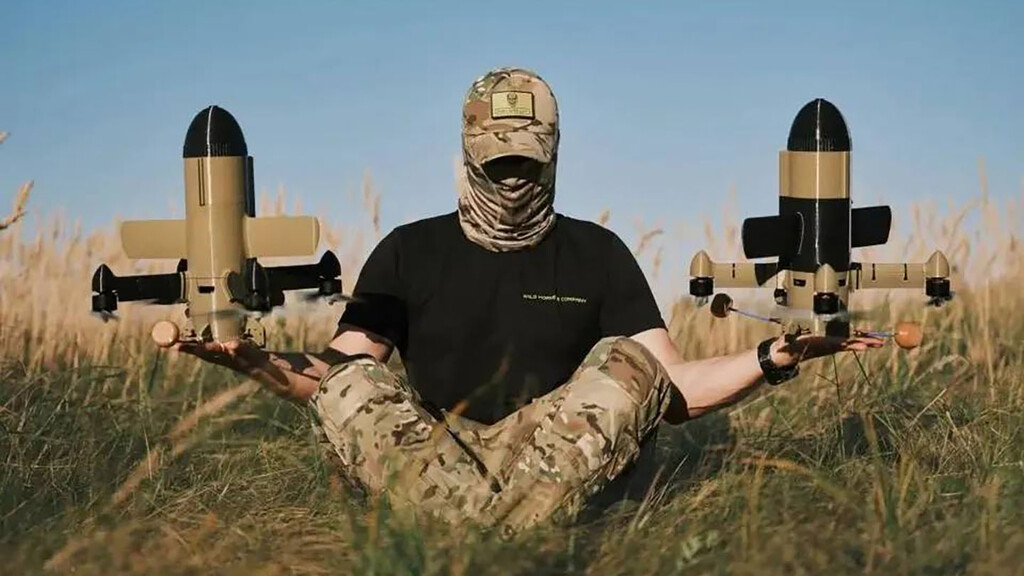
That experience has sparked enormous international interest because it solves the big problem of modern defenses: destroying cheap drones with missiles that cost millions is an unsustainable equation. Ukraine's approach flips that dynamic by focusing on low-cost solutions that can be scaled.

Changing the Economics of Air Defense
The Ukrainian success is explained above all by cost. While a Patriot missile can cost over a million dollars, the drones it targets are often worth tens of thousands or less. This asymmetry has forced Ukraine to innovate.
The country has developed a layered defense that includes everything from electronic warfare to machine-gun teams and specialized interceptor drones. Each layer is designed to be affordable and attritable, ensuring that the cost of defense remains below the cost of the attack.
- Acoustic sensors detect incoming drones by their sound signature, providing early warning at a fraction of the cost of radar.
- Radar networks track larger swarms and coordinate responses.
- Command software integrates data from multiple sensors to direct interceptors efficiently.
- Cheap interceptors, including modified commercial drones, engage targets at close range.
- Specialized pilots are trained to operate under real combat conditions, adapting tactics on the fly.
Why Ukraine Won't Share Its Secrets
Despite the international interest, Ukraine is hesitant to share its full playbook. The reasons are strategic: the technology and tactics are battle-tested and give Ukraine an edge. Sharing them could erode that advantage and potentially expose vulnerabilities.
Moreover, the ecosystem is deeply integrated with Ukraine's command and control systems, making it difficult to export as a turnkey solution. Instead, Ukraine is likely to share insights and collaborate on specific technologies while keeping the core of its system proprietary. The background to this story is set out in Ukrainian Drone Sting: Why Speed Isn't Key to Hunting Shahed. A related thread runs through Ukraine's Drone Defense Nets: Alicante Factory Supplies 80%. Earlier coverage in Japan's Terra A1 Drone Interceptor Takes on Russia's Shahed in Ukraine shows how the argument developed.
What This Means for Global Defense
The Ukrainian experience is already influencing how other countries think about air defense. The lessons are clear: future conflicts will involve large numbers of cheap drones, and defenses must be affordable and adaptable. A closer look at the same subject appears in Russia's Winter Fog Plan to Move Armor: Ukraine's Drone Defense. Anyone following the wider picture can start with US Service Member Killed in Iranian Drone Detonation. The same theme surfaces in US Service Member Killed in Iranian Drone Disposal Incident, which takes a different angle.
Nations are now investing in similar low-cost detection and interception systems, and many are looking to Ukraine for guidance. The country's expertise is becoming a valuable export, even if the full "antidote" remains under wraps. Context on how this played out before sits in US Service Member Killed in Iranian Drone Disposal in Iraq. A companion piece, Why Hospitals Become War Targets: Global Crisis Analysis, approaches the same subject from another angle.
| Component | Function | Cost Advantage |
|---|---|---|
| Acoustic sensors | Detect drones by sound | Very low cost, easy to deploy |
| Radar networks | Track swarms and guide interceptors | Moderate cost, reusable |
| Command software | Integrate sensor data and direct responses | One-time development, scalable |
| Interceptor drones | Engage targets kinetically | Low cost per unit, attritable |
| Specialized pilots | Operate systems and adapt tactics | Training investment, high value |
FAQ
What makes Ukraine a specialist against Iranian drones?
Ukraine has faced thousands of Shahed drone attacks over four years, forcing it to develop a comprehensive, low-cost defense ecosystem that includes detection networks, command software, and specialized pilots. This real-world experience is unmatched.
Why won't Ukraine share its drone defense technology?
Ukraine views its drone defense tactics and technologies as a strategic advantage. Sharing them fully could erode that edge and expose vulnerabilities. Instead, it may collaborate on specific technologies while keeping core systems proprietary.
How does Ukraine's approach change air defense economics?
By using cheap interceptors, acoustic sensors, and innovative tactics, Ukraine keeps the cost of defense below the cost of attack. This contrasts with traditional systems that use million-dollar missiles against low-cost drones.
What can other countries learn from Ukraine's experience?
Other countries can learn the importance of layered, affordable defenses and the need to adapt quickly to drone threats. Ukraine's model emphasizes cost-effectiveness, integration of sensors, and specialized training.
As drone warfare evolves, Ukraine's expertise will remain in high demand. The country's ability to counter Iranian drones has not only protected its own skies but also provided a blueprint for the future of air defense.
Browse the Shop
 Acacia frida deluxe solid wood bed frame |
Bedroom bench |
Bed chest drawers |
Lingerie dresser |
Frame base |
Mirror with jewelry storage |
30 Bathroom Vanity |
Memory foam queen mattress |
Mattresses for back pain |
Nightstand set of 2 |
Grand Goldman Shop |
Civil Lawyer
Deutschland Trikot WM 2026







