

The United States has opened a new front in its trade pressure on Spain, this time at its ports. The Federal Maritime Commission (FMC) has proposed charging $200,000 per voyage to Spanish-flagged ships that dock in the US. The measure comes with a threat of potentially greater consequences: restricting the entry of Spanish products that move billions of dollars annually.
The origin of this dispute dates back to three US ships that Spain denied access to its ports in November 2024. That, and the relationship between the two presidents.
Find Original, High-end Home Decor that spark conversation at Grand Goldman Shop.
What Is the Proposed $200,000 Port Fee?
The FMC has floated imposing a $200,000 fee per voyage on vessels sailing under the Spanish flag and making stops at US ports. The proposal, announced on October 14, 2026, is subject to a 60-day comment period, so it is not yet in effect.
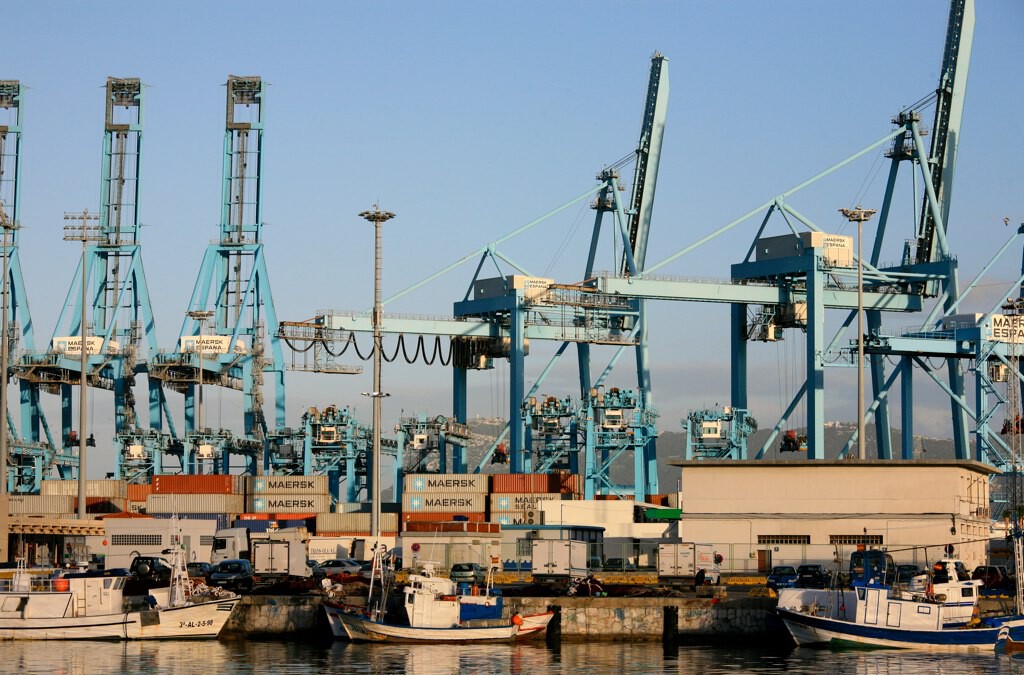
Its scope is precise because it applies to the ship's flag, regardless of the owner's nationality or the origin of the cargo being transported. The US regulator argues that Spain has created unfavorable conditions for its maritime transport and considers an economic response justified.
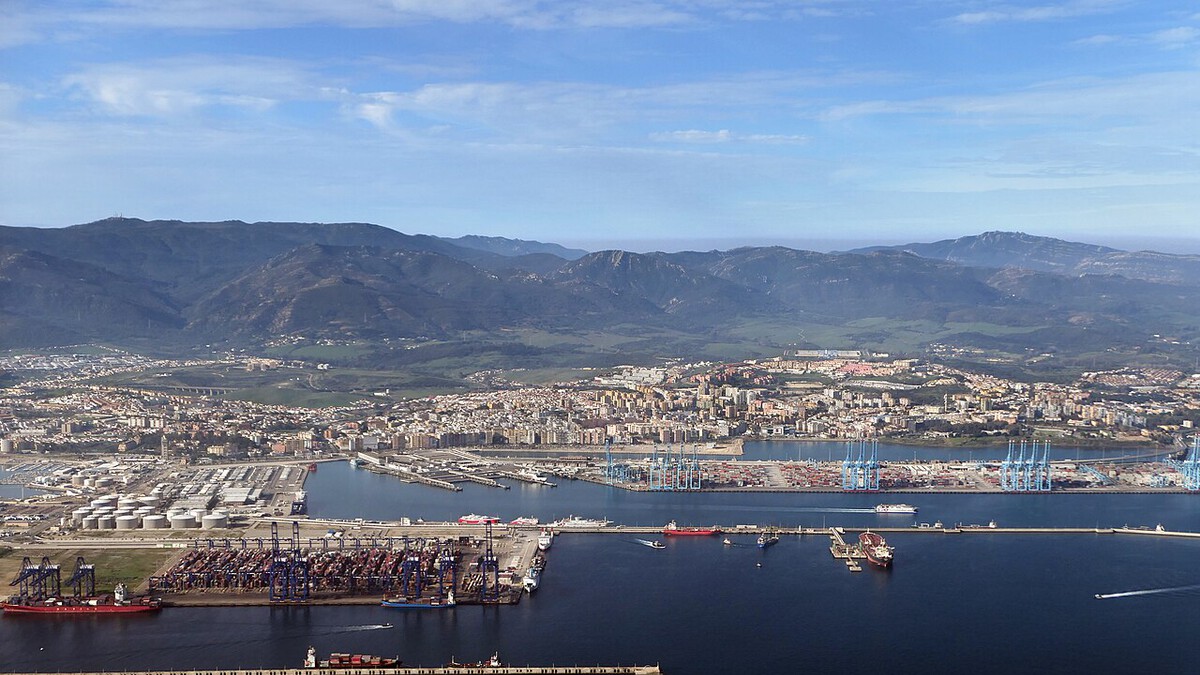
Why Is the US Targeting Spanish Ships?
The dispute traces back to November 2024, when Spain denied access to three US ships. The FMC claims this created unfavorable conditions for US maritime transport. The proposal is a direct response to that action.
The timing also reflects the broader trade tensions between the two countries. The US is signaling that it will retaliate against perceived slights to its shipping industry.
How Will This Affect Spanish Exports?
The fee would apply to Spanish-flagged vessels, which carry a significant share of Spain's exports to the US. Key sectors at risk include: The longer history behind the story is traced in US and Iran Tensions Rise as Tanker Aircraft Deploy to Europe.
- Agricultural products such as olive oil, wine, and fresh produce.
- Automotive parts and machinery.
- Chemicals and pharmaceuticals.
- Consumer goods like fashion and footwear.
The FMC also threatens to restrict the entry of Spanish products altogether, which could have an even larger impact. Spanish exports to the US are valued in the billions of dollars annually. The background to this story is set out in Middle East Conflict Impact on Maritime Workers and Ports. A related thread runs through Houthis Threaten Tankers Using Saudi Ports – Red Sea Crisis. Earlier coverage in Houthi Threat to Saudi Ports Escalates Red Sea Crisis shows how the argument developed.
What Are the Key Details of the Proposal?
| Element | Detail |
|---|---|
| Proposed fee | $200,000 per voyage |
| Applicable to | Spanish-flagged vessels docking at US ports |
| Announced | October 14, 2026 |
| Status | 60-day comment period; not yet in effect |
| Rationale | Retaliation for Spain denying access to three US ships in November 2024 |
What Happens Next?
The proposal is now in a 60-day comment period, during which stakeholders can submit their views. After that, the FMC will decide whether to implement the fee. If approved, it could take effect in early 2027. A closer look at the same subject appears in US Reinstates Blockade on Iranian Ports Amid Middle East Crisis. Anyone following the wider picture can start with Somali Piracy Resurgence Threatens Global Shipping. The same theme surfaces in Canada Cancels Bridge Celebration with US Amid Trade Tensions, which takes a different angle.
Spain has not yet announced its response, but it may challenge the measure through diplomatic channels or at the World Trade Organization. The outcome will depend on negotiations between the two governments. Context on how this played out before sits in Trump Imposes New Tariffs on UK, EU and Allies – Trade Tensions R. A companion piece, US Launches Strikes on Iran as Houthis Threaten Saudi Shipping Bl, approaches the same subject from another angle.
FAQ
What is the $200,000 port fee proposed by the US?
The Federal Maritime Commission has proposed a $200,000 fee per voyage on Spanish-flagged ships that dock at US ports. It is a response to Spain denying access to three US ships in November 2024.
When would the fee take effect?
The proposal was announced on October 14, 2026, and is subject to a 60-day comment period. If approved, it could take effect in early 2027.
Which Spanish exports are most at risk?
Agricultural products, automotive parts, chemicals, and consumer goods are among the most vulnerable. The US is also threatening to restrict all Spanish product imports.
How can Spain respond?
Spain may challenge the measure through diplomatic negotiations or at the World Trade Organization. It could also retaliate with its own port fees on US ships.
Browse the Shop
 Acacia frida deluxe solid wood bed frame |
Bedroom bench |
Bed chest drawers |
Lingerie dresser |
Frame base |
Mirror with jewelry storage |
30 Bathroom Vanity |
Memory foam queen mattress |
Mattresses for back pain |
Nightstand set of 2 |
Grand Goldman Shop |
Civil Lawyer
Deutschland Trikot WM 2026










