

If your cat wakes you at dawn with relentless meows or midnight parkour, you're not alone. Feline educator Noelia Hernández from Código Felino explains that this behavior isn't about being nocturnal or spiteful—it's rooted in evolution and misaligned routines.
Many owners believe cats are nocturnal, but that's a misconception. Cats are actually crepuscular, meaning they're most active during dawn and dusk. Understanding this can help you address those early morning wake-up calls.
Find Original Home Decor sparking conversation at Grand Goldman Shop.

Why Cats Wake You at Dawn: The Crepuscular Truth
Noelia Hernández points out that the popular belief about cats being nocturnal is inaccurate. "We've spent our whole lives believing cats are nocturnal and it's normal for them to wake us up," she says. In reality, cats are crepuscular—they sync their activity with sunrise and sunset.
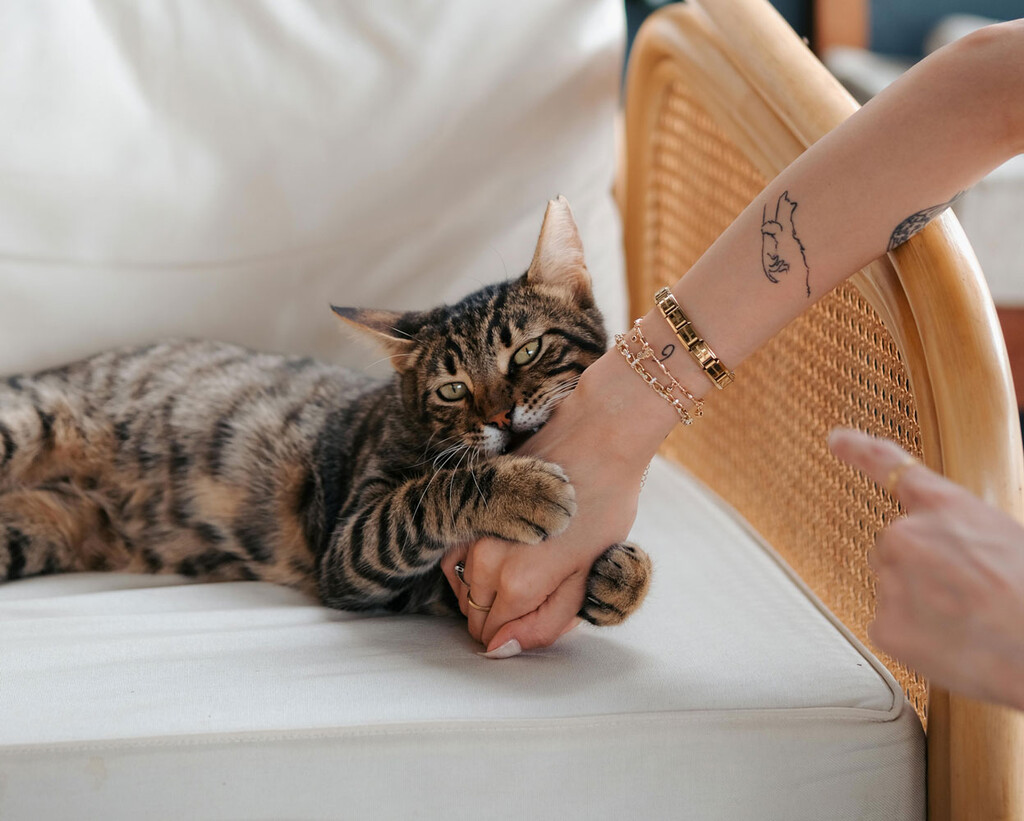
This evolutionary trait made sense for wild cats: prey is most active at dawn and dusk, so hunting during those times was efficient. Domestic cats retain this instinct, even though they no longer need to hunt for survival.
However, indoor cats often experience activity peaks around midnight and early morning, especially in summer when nights are shorter. This can make them seem nocturnal, but they actually sleep at night—just wake earlier than we do.
Why Your Cat's Internal Clock Clashes with Yours
The main issue is a mismatch between your cat's natural rhythm and your schedule. Noelia frequently hears from owners: "He wakes me up very early." The sunrise triggers a burst of energy in cats, and they expect you to join in.
Unlike humans, cats don't adapt their internal clocks to weekends or alarms. Their circadian rhythm is set by light, not by social cues. So when the sun rises, they're ready to play, eat, or interact—whether you are or not.
This isn't about dominance or annoyance; it's about instinct. Your cat isn't trying to punish you—they're simply following their biological programming.
How to Manage Early Morning Wake-Ups
While you can't change your cat's crepuscular nature, you can adjust their routine to reduce early morning disruptions. The key is to provide outlets for their energy and shift their feeding schedule.
Here are some strategies to try:
- Interactive play before bed: Tire your cat out with a vigorous play session 30 minutes before your bedtime.
- Late-night feeding: Give a meal right before you sleep to reduce early morning hunger pangs.
- Automatic feeders: Use a timed feeder to dispense a small meal at dawn, so your cat associates waking with food, not you.
- Blackout curtains: Block early morning light to delay your cat's activity trigger.
- Ignore demands: Avoid reinforcing wake-up calls by responding; this teaches them that meowing doesn't work.
Consistency is crucial. It may take weeks for your cat to adjust, but with patience, you can shift their expectations.
Comparing Cat Activity Patterns: Wild vs. Domestic
The table below highlights how crepuscular behavior manifests in different settings and what owners can do.
| Aspect | Wild Cats | Domestic Cats |
|---|---|---|
| Activity peaks | Dawn and dusk for hunting | Dawn and dusk, often intensified by indoor boredom |
| Sleep pattern | Sleep during day and night, active at twilight | Sleep at night, wake early; may nap during day |
| Owner impact | Minimal (no owner) | High (early wake-ups, night disturbances) |
| Management | Not applicable | Routine adjustment, play, feeding schedule |
As the table shows, domestic cats have similar instincts but face different environmental pressures. Indoor life can amplify crepuscular behavior if energy isn't properly channeled.
Expert Insights from Noelia Hernández
Noelia emphasizes that many owners misinterpret their cat's behavior. "It's a recurring issue with guardians: 'he wakes me up very early,'" she notes. She advises against punishment, which only creates stress and confusion.
Instead, she recommends enriching the cat's environment with climbing trees, puzzle feeders, and scheduled playtime. This mimics natural hunting and foraging, reducing the need for early morning attention-seeking.
Understanding that your cat isn't being malicious is the first step. From there, you can implement gentle, consistent changes that respect both your needs and your cat's instincts. The background to this story is set out in Dad Sends Hilarious Texts To His Daughter Trying To Decipher The Meows While Cat-Sitting. A related thread runs through Trending: latest articles. Earlier coverage in Cat Care Myths: Why Cats Need More Than Food and Litter shows how the argument developed.
What to Watch for Next
If your cat's early morning activity suddenly intensifies or is accompanied by other changes (like increased vocalization or appetite), consult your vet. Sometimes, underlying health issues like hyperthyroidism or pain can disrupt sleep patterns. A closer look at the same subject appears in Cat Licking You? Expert Says It's a Sign of Ownership. Anyone following the wider picture can start with Cat Care While Traveling: Why Supervision Is Essential for Your Feline. The same theme surfaces in Why Keeping Cats Indoors in Flats Stresses Them, which takes a different angle.
For most cats, however, dawn wake-ups are normal and manageable. With a bit of routine tweaking, you can enjoy a few extra winks while keeping your feline friend happy and healthy. Context on how this played out before sits in Parasomnia Review: Sleep Horror Unleashes a Succubus in a Waking. A companion piece, Making Your Bed Right After Waking May Harm Health, Science Says, approaches the same subject from another angle.
FAQ
Are cats nocturnal?
No, cats are not nocturnal; they are crepuscular, meaning they are most active at dawn and dusk. This evolutionary adaptation helps them hunt when prey is most active.
Why does my cat wake me up at 5 AM?
Your cat wakes you at 5 AM because their internal clock is triggered by sunrise, leading to a peak in activity. They may also be hungry or seeking attention, especially if they've learned that waking you results in food or play.
How can I stop my cat from waking me up early?
Try tiring your cat out with play before bed, feeding them a late-night meal, using blackout curtains, and ignoring their demands. Consistency is key, and it may take time for your cat to adjust.
Is it normal for cats to be active at night?
Some night activity is normal, but excessive nighttime activity may indicate boredom or a disrupted routine. Ensure your cat gets enough physical and mental stimulation during the day.
Browse the Shop
 Acacia frida deluxe solid wood bed frame |
Bedroom bench |
Bed chest drawers |
Lingerie dresser |
Frame base |
Mirror with jewelry storage |
30 Bathroom Vanity |
Memory foam queen mattress |
Mattresses for back pain |
Nightstand set of 2 |
Grand Goldman Shop |
Civil Lawyer
Deutschland Trikot WM 2026







