

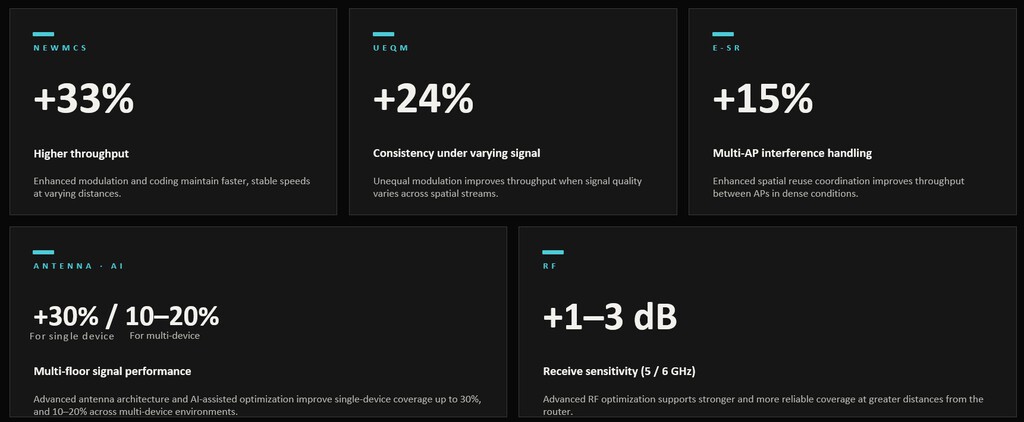
Wi-Fi 8 routers are coming, and the primary keyword here is not speed but stability. While Wi-Fi 7 boasts raw speeds up to 46 Gbps, Wi-Fi 8 is designed to maintain that speed reliably in congested environments, addressing the real bottleneck: efficiency.
The technology has come a long way since the IEEE 802.11 standard was first introduced in 1997. From Hedy Lamarr and George Antheil's frequency-hopping patent to today's multi-gigabit routers, Wi-Fi has evolved to meet ever-growing demands.
Find Original Home Decor sparking conversation at Grand Goldman Shop.

Why Wi-Fi 8 Prioritizes Stability Over Raw Speed
In real-world use, the bottleneck is rarely the maximum bandwidth; it's how well the router manages interference and congestion. Wi-Fi 8 (likely IEEE 802.11bn) aims to deliver predictable, consistent performance even when many devices compete for airtime.

This shift matters because users increasingly rely on stable connections for video calls, gaming, and smart home devices. Fluctuations cause drops and lag, which are more frustrating than slightly lower peak speeds.
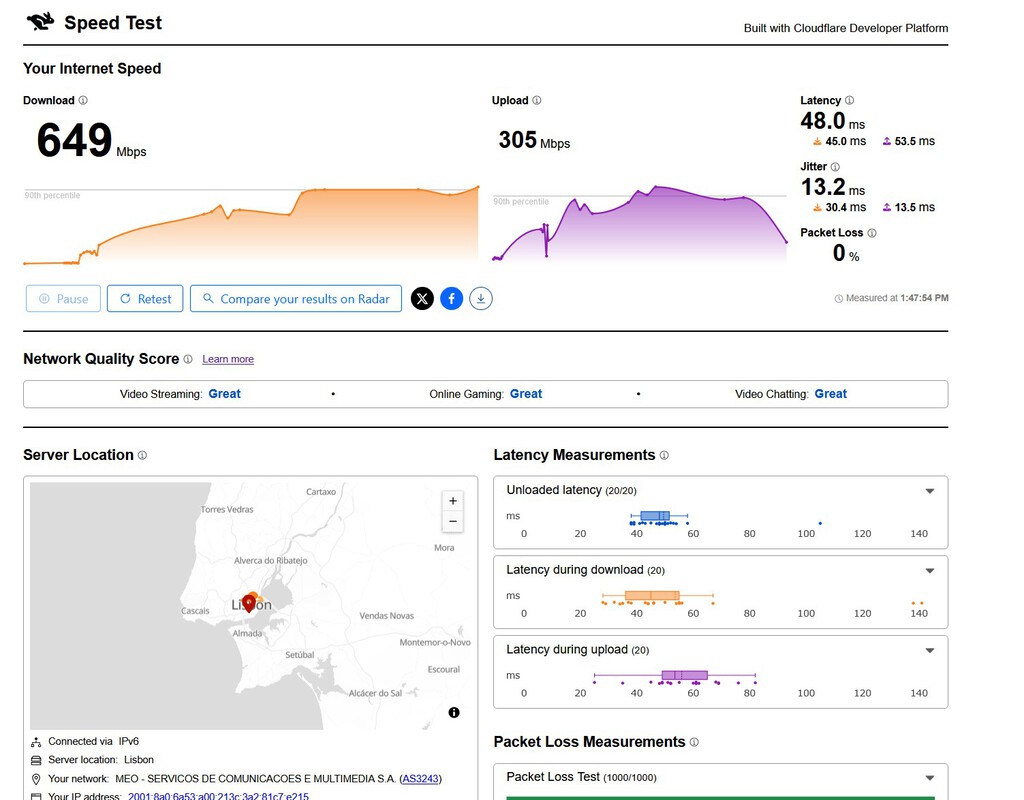
The Congestion Problem
Modern homes have dozens of connected devices, all vying for bandwidth. Traditional Wi-Fi struggles to coordinate them efficiently, leading to slowdowns. Wi-Fi 8 introduces advanced scheduling and coordination to keep everyone happy.

Key Features of Wi-Fi 8
- Enhanced reliability: Maintains stable connections in dense environments.
- Improved efficiency: Better manages airtime and reduces latency.
- Coordination: Access points work together to avoid interference.
- Backward compatibility: Works with older devices, though benefits vary.
Wi-Fi Generations Compared
| Generation | Max Raw Speed | Key Focus |
|---|---|---|
| Wi-Fi 6/6E | 9.6 Gbps | Higher capacity in dense areas |
| Wi-Fi 7 | 46 Gbps | Extreme throughput and low latency |
| Wi-Fi 8 | TBD (likely similar to 7) | Stability and efficiency |
As the table shows, Wi-Fi 8 may not push peak speeds much beyond Wi-Fi 7, but it will make those speeds more dependable. The longer history behind the story is traced in Wi-Fi 8 Routers: Why Stability Matters More Than Speed.
What This Means for Your Home Network
For most households, the promise of stable Wi-Fi is more valuable than ever-higher peak speeds. With Wi-Fi 8, you can expect fewer dead zones, smoother streaming, and more reliable connections for all devices. The background to this story is set out in TP-Link Archer 8: WiFi 8 Router Focuses on Stability, Not Speed. A related thread runs through TP-Link Wi-Fi 8 Router Launch: Archer 8 Arrives Before Standard. Earlier coverage in Broadcom WiFi Chip Flaw: What Movistar and Orange Router Owners shows how the argument developed.
Businesses and public spaces will also benefit, as Wi-Fi 8 can handle crowded venues like stadiums and airports more gracefully. A closer look at the same subject appears in Urda Train Crash: AITAT Finds Speeds of 160-200 km/h in Fatal Collision. Anyone following the wider picture can start with Omoda's SHS Hybrid Tech: Three Motors and 11 Speeds Explained. The same theme surfaces in Trending: latest articles, which takes a different angle.
When Will Wi-Fi 8 Arrive?
The IEEE is still finalizing the standard, with expected ratification around 2028. Early products may appear sooner, but widespread adoption will take time. For now, Wi-Fi 6E and Wi-Fi 7 are solid choices. Context on how this played out before sits in WiFi 7 Routers 2026: Why Speed Alone No Longer Defines Smart Homes. A companion piece, Best Routers 2026: Top Wi-Fi 7 Models and Buying Guide, approaches the same subject from another angle.
FAQ
What is Wi-Fi 8?
Wi-Fi 8 is the next generation of wireless technology (IEEE 802.11bn), focused on improving stability and efficiency rather than just raw speed.
Do I need to upgrade to Wi-Fi 8?
Not immediately. Wi-Fi 8 is still in development, and current Wi-Fi 6/6E or 7 routers are sufficient for most users. Consider upgrading when your devices demand it.
Will Wi-Fi 8 be faster than Wi-Fi 7?
Peak speeds may be similar, but Wi-Fi 8 will maintain those speeds more consistently in congested environments, which is often more important.
What is the main benefit of Wi-Fi 8?
The main benefit is reliable, predictable performance, reducing lag and dropouts even when many devices are connected.
Browse the Shop
 Acacia frida deluxe solid wood bed frame |
Bedroom bench |
Bed chest drawers |
Lingerie dresser |
Frame base |
Mirror with jewelry storage |
30 Bathroom Vanity |
Memory foam queen mattress |
Mattresses for back pain |
Nightstand set of 2 |
Grand Goldman Shop |
Civil Lawyer
Deutschland Trikot WM 2026







