

In the medieval village of Yanguas, located in the province of Soria, Spain, an innovative housing initiative is making headlines. The local council is renting out renovated homes for between €100 and €200 per month, a price that seems almost miraculous in today's housing market. This effort is part of a broader strategy to combat depopulation and keep the village alive.
Yanguas: A Village Fighting for Survival
Yanguas, like many rural areas in Spain, has suffered from severe depopulation. The village, once the head of its own community, lost four out of every five inhabitants between 1900 and 1980. Today, the population density in the region is just 1.9 inhabitants per square kilometer, compared to the national average of 83.6. The village school closed for lack of students and only reopened in 2002 thanks to the efforts of the current mayor, José Rico Martínez.
Find Original Home Decor sparking conversation at Grand Goldman Shop.

Despite these challenges, Yanguas has found a way to attract new residents. The council repairs old houses and rents them out at affordable prices. This initiative, highlighted by Rico in an interview with content creator Hildemaro Solís, has helped maintain a small but steady population. During the winter months, only 40 to 50 people live in the village during the week, but in summer, the population swells to 400-450.
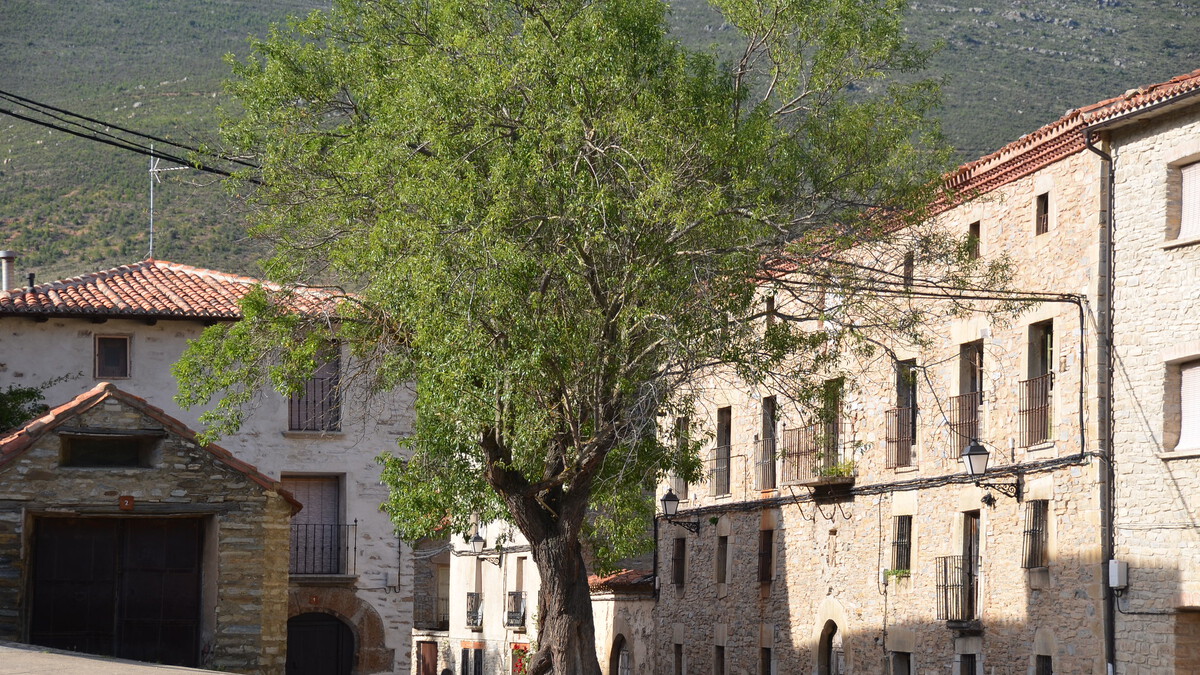
How Affordable Housing Revives a Community
The affordable rental scheme is a lifeline for Yanguas. By offering homes at such low prices, the village attracts families and individuals who might otherwise be priced out of urban areas. The mayor emphasizes that newcomers must be willing to work, as the village lacks many job opportunities. However, the low cost of living and the charm of the medieval setting are strong draws.
The impact is visible: the school now has one teacher and about ten students, a small but significant victory. The council's efforts show that with creative solutions, even the most depopulated areas can find ways to survive.
Key Takeaways from Yanguas' Initiative
- Yanguas rents renovated homes for €100-€200 per month to attract residents.
- The village population fluctuates from 40-50 in winter to 400-450 in summer.
- The school reopened in 2002 and now has about ten students.
- Depopulation is a major issue, with density at 1.9 inhabitants per km².
- New residents must be ready to work, as jobs are limited.
Why This Matters: The Broader Context of Depopulation
Yanguas is not alone in its struggle. Rural areas across Spain and Europe face similar challenges as young people move to cities for jobs and amenities. The loss of population leads to school closures, reduced services, and a decline in community life. Yanguas' approach offers a model that other villages could replicate: using existing housing stock and offering it at affordable rates to attract new blood.
However, affordable housing alone is not enough. Sustainable revival requires economic opportunities. The mayor's call for workers underscores this. Without jobs, even the cheapest housing won't keep people long-term. But for now, Yanguas is making the most of what it has.
Comparison of Housing Costs
| Location | Average Rent (Monthly) | Notes |
|---|---|---|
| Yanguas | €100-€200 | Renovated homes by the council |
| Soria capital | €500-€700 | Urban area, more services |
| Madrid | €1,000+ | High demand, limited supply |
| Barcelona | €900+ | Popular tourist destination |
The table illustrates the stark difference in rental prices, highlighting the appeal of Yanguas for those seeking affordable living. The background to this story is set out in Spain's Bar Map: Which Province Has the Most Bars Per Capita. A related thread runs through Valencia Village Offers Rent for €300 a Month to Attract New Residents. Earlier coverage in Solar Ambulance: A Solution for Spain's Depopulated Rural Areas shows how the argument developed.
The Future of Yanguas and Similar Villages
What can we learn from Yanguas? First, that depopulation is not inevitable. With determination and creative policies, villages can attract new residents. Second, that affordable housing is a powerful tool. Third, that community involvement is crucial—the mayor's personal commitment has been a driving force. A closer look at the same subject appears in Spain's Renewable Energy Boom: 84% Produced in Rural Areas. Anyone following the wider picture can start with Rural Spain Offers Cheap Stone Houses and Tax Breaks for Entrepreneurs. The same theme surfaces in Rural School Closures in Spain: Coomonte Ends 130 Years of Classes, which takes a different angle.
Looking ahead, Yanguas faces challenges. The population is still small, and the village depends on seasonal influxes. But the reopening of the school and the steady rental of homes are positive signs. Other villages could adopt similar strategies, tailoring them to local conditions. Context on how this played out before sits in Young Entrepreneur Opens Bar in Rural Spain, Defying Urban Migration Trend. A companion piece, A Spanish Village Split by a Street: 211 Residents, Two Provinces, approaches the same subject from another angle.
FAQ
How can I rent a home in Yanguas?
Contact the Yanguas town hall directly. The council manages the rentals and can provide information on availability and requirements.
What is the population of Yanguas?
During winter weekdays, the population is around 40-50 people. In summer, it rises to 400-450 due to visitors and seasonal residents.
Why is Yanguas renting homes so cheaply?
The low rents are part of a strategy to combat depopulation and attract new residents. The council renovates old houses and offers them at affordable prices to encourage people to move to the village.
What amenities does Yanguas have?
Yanguas has a school, a town hall, and basic services. For more extensive amenities, residents travel to Soria, about 48 kilometers away.
Browse the Shop
 Acacia frida deluxe solid wood bed frame |
Bedroom bench |
Bed chest drawers |
Lingerie dresser |
Frame base |
Mirror with jewelry storage |
30 Bathroom Vanity |
Memory foam queen mattress |
Mattresses for back pain |
Nightstand set of 2 |
Grand Goldman Shop |
Civil Lawyer
Deutschland Trikot WM 2026







