

In 1929, Renault completed an audacious conquest on the outskirts of Paris: turning almost an entire island in the Seine into a car factory. The Île Seguin became a giant industrial machine, connected by bridges to facilities on both banks, with its own power station, test track, and thousands of workers. The problem came when the assembly lines stopped.
How Renault Turned Île Seguin into a Car Factory
Louis Renault began buying land on Île Seguin in 1919 and throughout the 1920s progressively acquired almost its entire surface. The operation culminated at the end of that decade: the first buildings appeared as Renault won its battle with landowners and local authorities, and in 1929 the great industrial era of an island of about 11.5 hectares began, eventually almost entirely covered by facilities.
Find Original Home Decor sparking conversation at Grand Goldman Shop.

Inspired by production methods he had seen at Ford plants in the United States, Renault built a multi-level factory, raised the terrain, laid foundations up to about ten meters deep, and connected the complex by bridges to its facilities in Boulogne-Billancourt and Meudon.
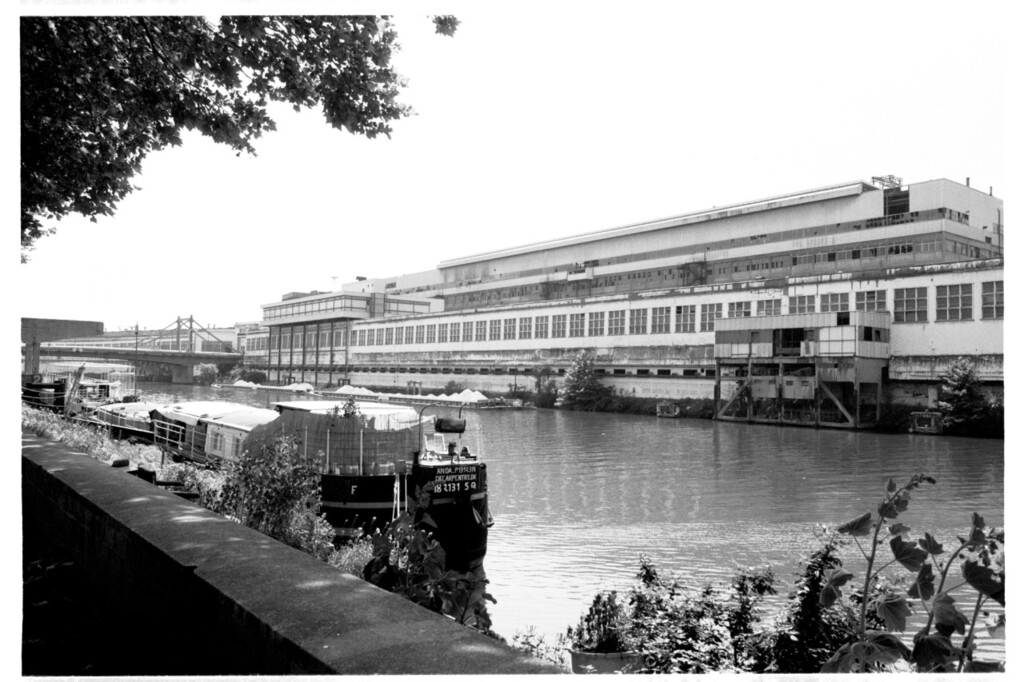
A Workers' Fortress Floating in the Middle of the Seine
Seguin ended up looking less like an island with a factory and more like a huge factory surrounded by water. Its walls reached almost to the river, and the site operated as a self-contained industrial city. At its peak, thousands of workers crossed the bridges daily to build cars, and the island had its own power plant and test track.
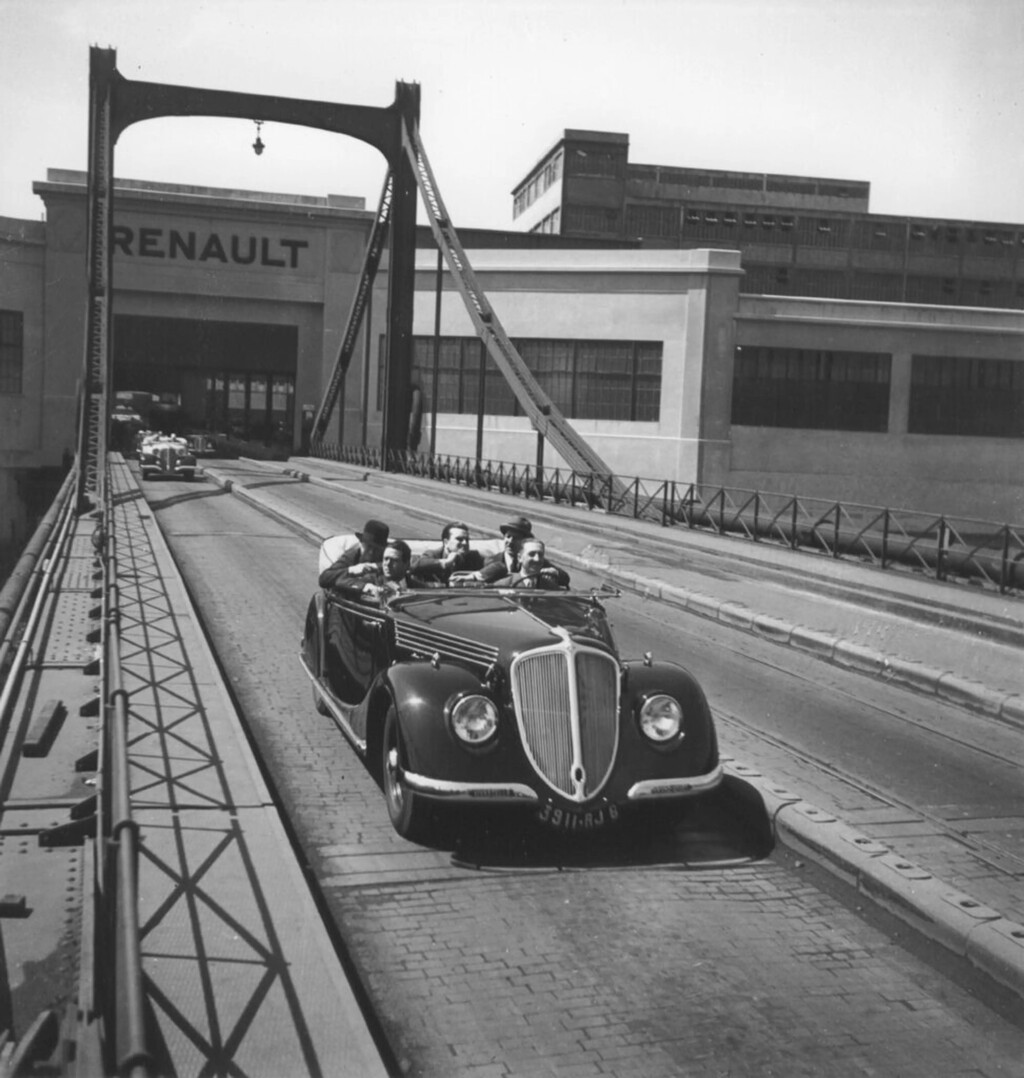
The factory was a symbol of French industrial might, but it also became a focal point for labor movements. The working-class community that grew around it shaped the social fabric of Boulogne-Billancourt for decades.
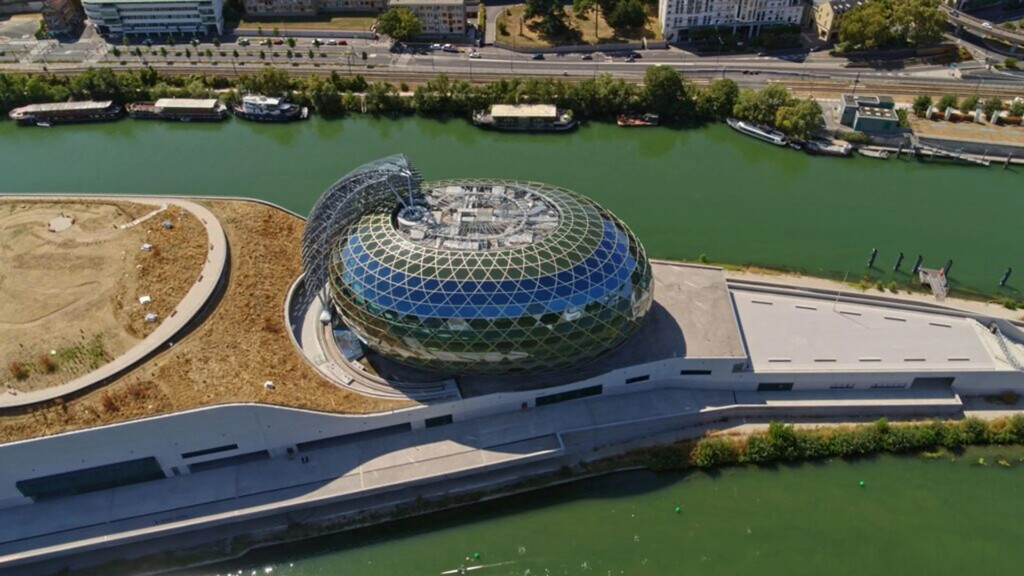
The Decline and Closure of the Renault Factory
As the 20th century progressed, the island's constrained geography and aging facilities became liabilities. Production was gradually moved to more modern plants, and in 1992 the last car rolled off the line. The closure left a massive industrial wasteland in the heart of the Paris region. Context on how this played out before sits in Renault's Île Seguin Factory: The Island That Became a Car Plant.
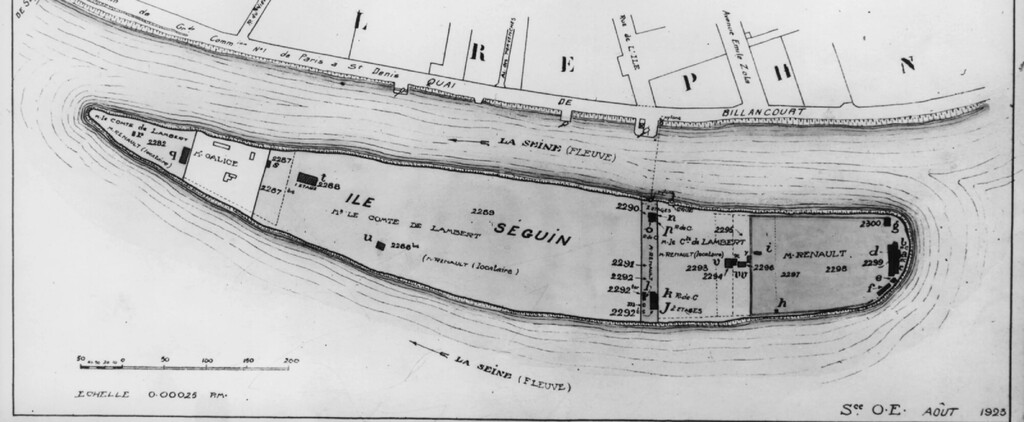
Demolition of the factory buildings took years, and the site remained fenced off and contaminated. The question of what to do with the island became a political and urban planning headache, with various proposals ranging from housing to cultural centers. The background to this story is set out in Trending: latest articles. A related thread runs through Amazon Echo Show 5 Drops to $64.99 in Massive 41% Discount.
Why the Island's Future Remains Uncertain
Despite numerous redevelopment plans, the Île Seguin has struggled to find a new identity. Environmental cleanup, heritage concerns, and competing interests have slowed progress. The site's history as a workers' fortress adds a layer of cultural significance that any project must respect. Earlier coverage in Lidl's 3-in-1 Sandwich Maker: Silvercrest With Interchangeable Plates shows how the argument developed. A closer look at the same subject appears in Bilbao's Aste Nagusia 2026 Bans Bizum and Card Payments at Txosnas.
Today, parts of the island are open to the public, but large sections remain undeveloped. The challenge is to honor the industrial past while creating a vibrant future for this unique piece of Parisian real estate. Anyone following the wider picture can start with Resident Evil Games in Chronological Order: The Complete Story Timeline. The same theme surfaces in Meta's 'Big Tobacco' Moment: 29 States Sue Over Addictive Facebook, which takes a different angle.
- Renault acquired Île Seguin piece by piece starting in 1919.
- The factory opened in 1929 and covered most of the 11.5-hectare island.
- It was inspired by Ford's assembly-line methods and had its own power plant.
- Production ceased in 1992, leaving a vast industrial wasteland.
- Redevelopment has been slow due to contamination and heritage debates.
Key Facts About the Île Seguin Factory
| Aspect | Detail |
|---|---|
| Location | Île Seguin, Seine River, Boulogne-Billancourt, France |
| Acquisition start | 1919 |
| Factory opening | 1929 |
| Island area | Approximately 11.5 hectares |
| Production end | 1992 |
| Notable features | Multi-level factory, own power station, test track, bridges to both banks |
FAQ
What was the Île Seguin factory used for?
It was a Renault car manufacturing plant that operated from 1929 to 1992. The island was almost entirely covered by factory buildings and support facilities.
Why did Renault choose Île Seguin?
Louis Renault began buying land there in 1919 to expand production near Paris. The island offered space and river access, and Renault was inspired by Ford's assembly-line methods.
What happened to the factory after it closed?
The buildings were demolished, but the site remained contaminated and undeveloped for years. Various redevelopment plans have been proposed, but progress has been slow.
Can you visit Île Seguin today?
Parts of the island are now open to the public, including some cultural venues, but large areas are still off-limits or under development.
Browse the Shop
 Acacia frida deluxe solid wood bed frame |
Bedroom bench |
Bed chest drawers |
Lingerie dresser |
Frame base |
Mirror with jewelry storage |
30 Bathroom Vanity |
Memory foam queen mattress |
Mattresses for back pain |
Nightstand set of 2 |
Grand Goldman Shop |
Civil Lawyer
Deutschland Trikot WM 2026







