

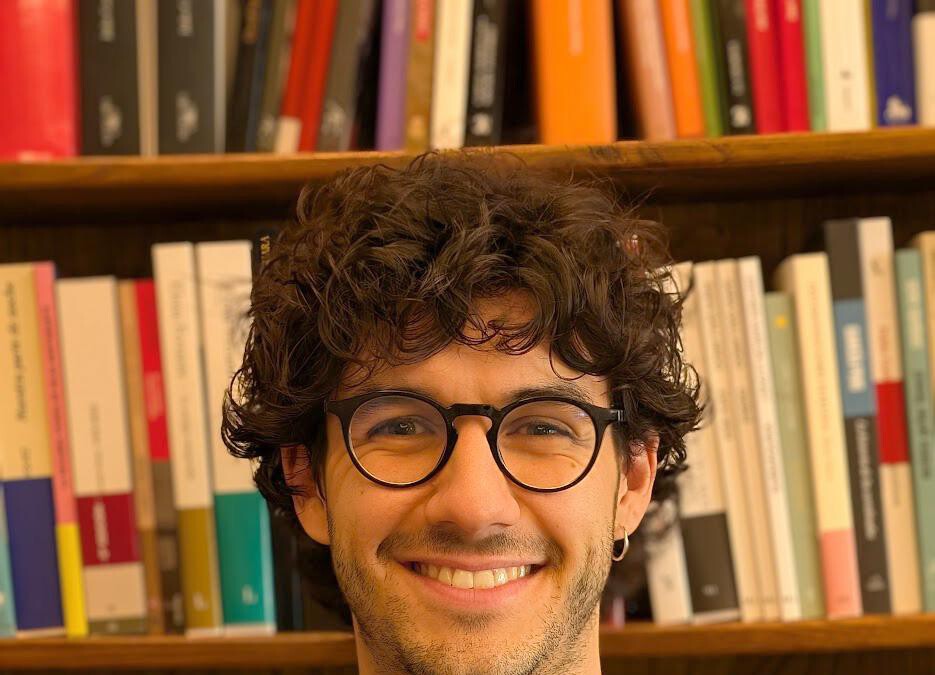
Getting a tattoo has become the norm rather than the exception, according to sociologist Pablo Cerezo. In his new book El cuerpo enunciado (The Enunciated Body), Cerezo argues that tattooing is now so widespread that the real anomaly is not having one. This shift, he says, reveals profound changes in how we express identity and belonging.
Cerezo, a graduate in International Relations and Sociology who works at Madrid's iconic Pérgamo bookstore, uses tattoos as a lens to understand contemporary society. His starting point is simple yet ambitious: body art can help explain our times.
Find Original, High-end Home Decor that spark conversation at Grand Goldman Shop.

The Tattoo Boom: From Subculture to Mainstream
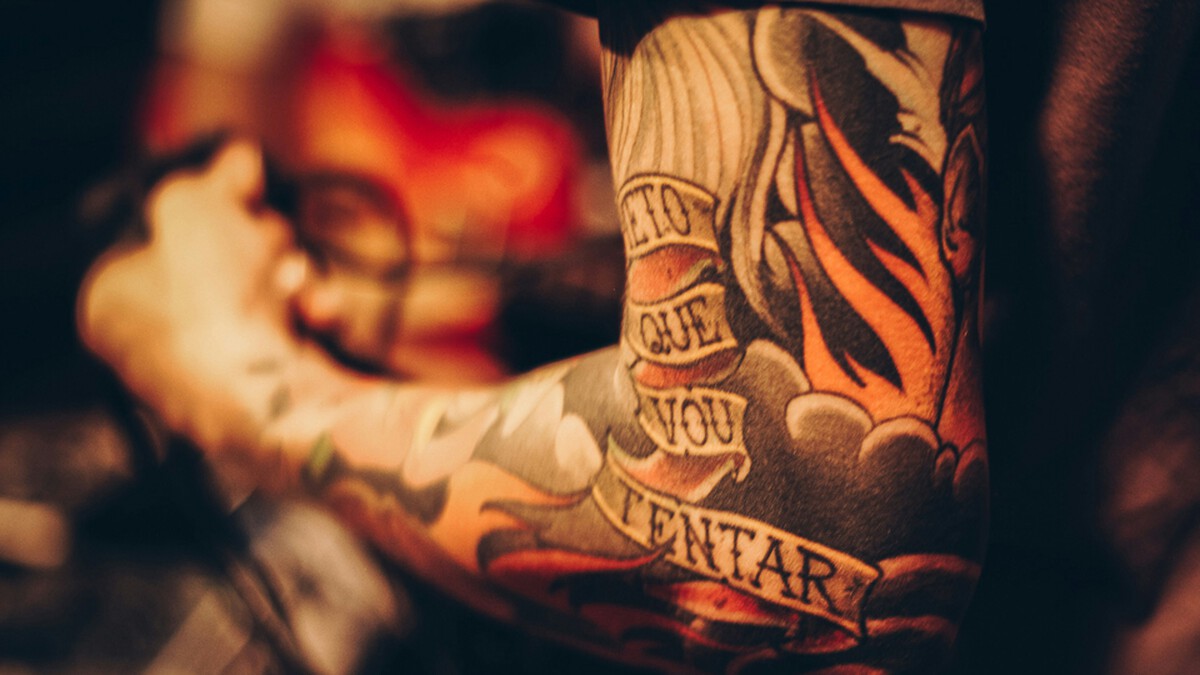
Data supports Cerezo's observation. According to a study by Lutronic PBS, 42% of Spaniards have at least one tattoo, making Spain the sixth most tattooed country in the world. Tattoos are visible everywhere—in gyms, on beaches, at community pools, in parks, and even in offices.
This prevalence marks a dramatic shift from previous decades when tattoos were associated with marginalized groups or rebellion. Today, they are a common form of self-expression across all ages and social classes.
Why Do We Get Tattoos? Beyond Narcissism
Cerezo challenges the idea that tattoos are simply a narcissistic trend or a herd behavior. Instead, he sees them as a meaningful way to define identity and establish connections with others—whether family, friends, or communities like sports fans or movie franchises.
"If you analyze it, the most normal thing is to get a tattoo," Cerezo says. "The historical and anthropological anomaly is not doing it." This perspective flips the conventional view: for most of human history, body modification has been a common practice, not an exception.
The Sociological Significance of Body Art
Tattoos serve multiple social functions. They can mark belonging to a group, commemorate significant life events, or express individual values. In a society where traditional markers of identity (religion, class, profession) are weakening, tattoos offer a tangible way to assert who we are.
Cerezo's analysis suggests that tattoos are not just personal decorations but social statements. They communicate something about our affiliations, our tastes, and our stories. In this sense, they are a form of language—hence the book's title.
Key Takeaways from Cerezo's Analysis
- Tattoos are now the norm in Spain, with 42% of the population having at least one.
- The rise of tattoos reflects a broader shift in how we express identity and belonging.
- Tattoos are not merely narcissistic or herd behavior; they serve as meaningful social markers.
- Historically and anthropologically, not having a tattoo is the exception, not the rule.
- Body art can be seen as a form of language that communicates our affiliations and values.
What This Means for Society
The normalization of tattoos has implications beyond personal choice. It challenges traditional norms about professionalism and beauty. As more people get inked, workplaces and public spaces are becoming more accepting of visible body art. The background to this story is set out in Am I a Chicken-Shop Lefty? French Fast Food Row Explains Politics. A related thread runs through Roger Penn Obituary: Inquisitive Sociologist Who Challenged Convention.
Moreover, the tattoo industry has grown into a significant economic force. In Spain alone, the demand for tattoos supports thousands of artists and studios. This commercialization, however, also raises questions about authenticity and meaning. Earlier coverage in This Artist Create Terrifying Body Art And The Results Are Breathtaking shows how the argument developed. A closer look at the same subject appears in Edinburgh Fringe Dance Shows: Pole Dancing and Body Artistry.
Comparing Tattoo Prevalence
| Country | Percentage of Population with Tattoos | Global Rank |
|---|---|---|
| Spain | 42% | 6th |
| Italy | 48% | 2nd |
| Sweden | 47% | 3rd |
| USA | 46% | 4th |
| Australia | 45% | 5th |
Note: Data based on the Lutronic PBS study as referenced in the source article. Anyone following the wider picture can start with Trending: latest articles. The same theme surfaces in Five Subtle Signs Someone Secretly Dislikes You and Why to Ignore Them, which takes a different angle.
FAQ
Why are tattoos so popular now?
Tattoos have become popular because they offer a tangible way to express identity and belonging in a society where traditional markers are fading. They also serve as social statements and connections to communities.
What does Pablo Cerezo say about tattoos?
Cerezo argues that tattoos are the norm, not the exception, and that they help explain contemporary society. He challenges the idea that they are merely narcissistic or herd behavior.
Is getting a tattoo still considered rebellious?
Not as much as before. With 42% of Spaniards tattooed, body art has become mainstream. However, some individuals may still choose tattoos as a form of rebellion or differentiation.
How many people in Spain have tattoos?
According to a study by Lutronic PBS, 42% of the Spanish population has at least one tattoo, making Spain the sixth most tattooed country globally.
Browse the Shop
 Acacia frida deluxe solid wood bed frame |
Bedroom bench |
Bed chest drawers |
Lingerie dresser |
Frame base |
Mirror with jewelry storage |
30 Bathroom Vanity |
Memory foam queen mattress |
Mattresses for back pain |
Nightstand set of 2 |
Grand Goldman Shop |
Civil Lawyer
Deutschland Trikot WM 2026










