

In 1864, Spain launched the Ictíneo II, the world's first steam-powered submarine. This pioneering vessel, designed by Catalan inventor Narcís Monturiol, marked a major leap in underwater navigation and set a technological benchmark that would not be matched for decades.
Monturiol's achievement was remarkable, yet his story is one of ingenuity overshadowed by financial ruin and public indifference. The Ictíneo II was eventually sold for scrap, and its inventor died in poverty, never having patented his groundbreaking design.
Find Original Home Decor sparking conversation at Grand Goldman Shop.

The Genius Behind the Ictíneo II
Narcís Monturiol was born in Figueres, Girona, in 1819. He was a man of many talents: a lawyer, journalist, politician, and self-taught engineer. His diverse background gave him a unique perspective on problem-solving, which he applied to the challenge of underwater travel.
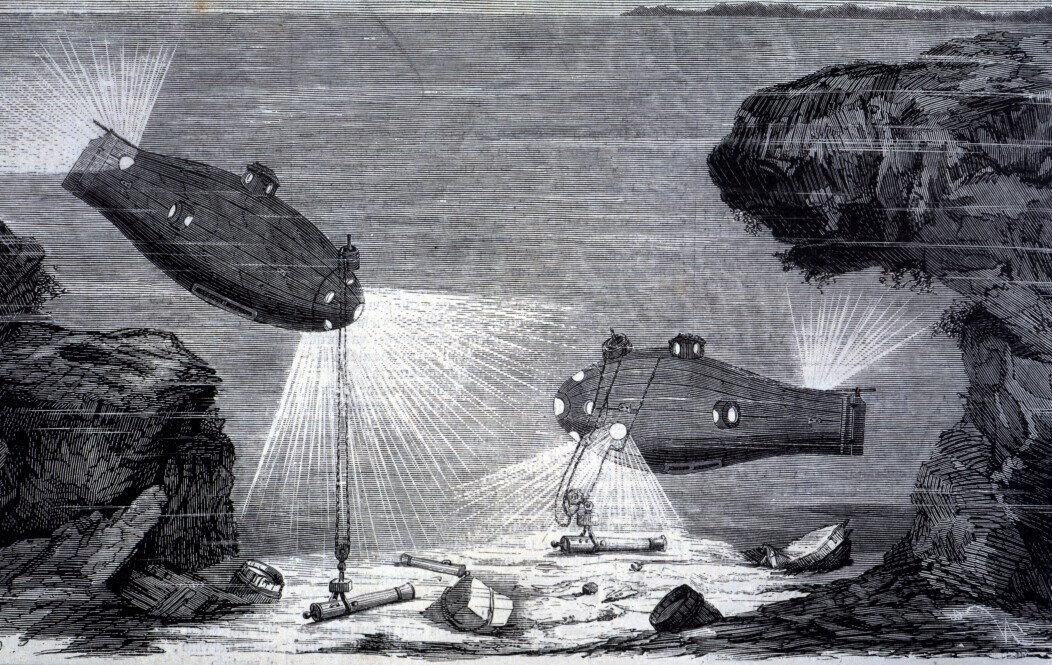
Monturiol's first submarine, the Ictíneo I, was built in 1858. It was a small, experimental craft propelled by four men turning hand cranks. Despite its manual propulsion, it completed over 50 dives before an accident ended its career.
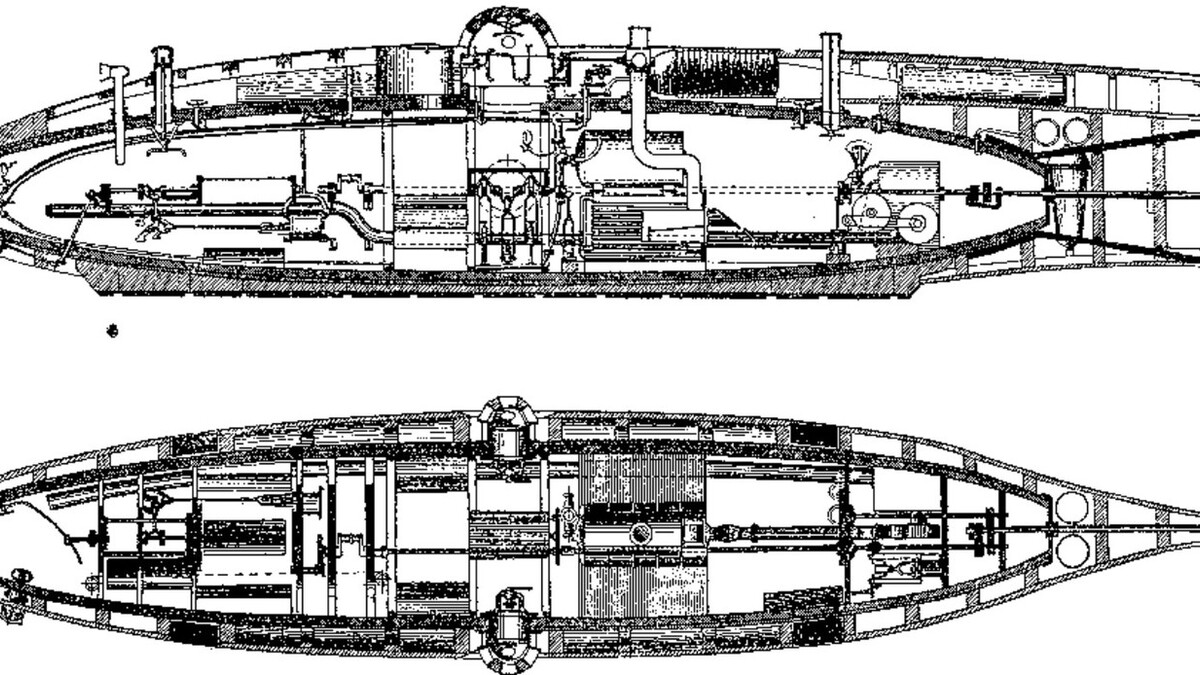
Encouraged by the tests, Monturiol sought public funding for a more advanced vessel. In 1862, construction began on the Ictíneo II, a submarine that would be powered by a steam engine—a revolutionary concept at the time.
How the Ictíneo II Worked
The Ictíneo II was a true engineering marvel. It measured about 14 meters long and could reach a depth of 30 meters. Its most innovative feature was its steam engine, which allowed it to travel underwater for hours without relying on human muscle.
Monturiol faced a critical problem: steam engines require oxygen to burn fuel, and submarines operate in an oxygen-free environment. His solution was to develop a chemical air regeneration system that produced oxygen and absorbed carbon dioxide. This system was so effective that it was not replicated until the 1940s by the German navy.
The submarine also featured a double hull, a compressed-air tank for buoyancy control, and a sophisticated propulsion system. It was, by all accounts, the first "true" submarine—a vessel capable of independent underwater operation.
Challenges and Failure
Despite its technological success, the Ictíneo II was plagued by financial problems. Monturiol never patented his invention, believing that his work should benefit humanity. Without patent protection, he struggled to attract investors and pay his debts. Context on how this played out before sits in Ictíneo II: Spain's 1864 Steam Submarine That Made History.
In 1868, the submarine was seized by creditors and eventually sold as scrap. The original components were lost, and Monturiol's pioneering work faded into obscurity. He died in 1885, largely unrecognized for his contributions to submarine technology. The background to this story is set out in The Only Underwater Submarine Kill in History: HMS Venturer vs U-864. A related thread runs through Aukus Submarine Deal Full Steam Ahead: Pentagon Official Confirms.
Why the Ictíneo II Matters Today
The story of the Ictíneo II is a cautionary tale about the importance of vision and support for innovation. Monturiol's submarine was decades ahead of its time, yet it failed not because of technical flaws but because of a lack of financial and institutional backing. Earlier coverage in Aukus Nuclear Submarine Deal Full Steam Ahead, Says Pentagon shows how the argument developed. A closer look at the same subject appears in Science: latest articles.
Today, the Ictíneo II is remembered as a symbol of Spanish ingenuity. A replica was displayed in Barcelona's port until 2010, when it was removed for restoration. The submarine's legacy lives on in the history of naval engineering and as a reminder of what can be achieved with determination and creativity. Anyone following the wider picture can start with Ancient Nautical Chart Was Right All Along, Not Wrong. The same theme surfaces in Best Supermarket Salmorejo: OCU Reveals White-Label Winners, which takes a different angle.
- First steam-powered submarine: The Ictíneo II was the first submarine to use a steam engine, eliminating the need for manual propulsion.
- Advanced air regeneration: Monturiol developed a chemical system to produce oxygen and absorb CO2, a technology not matched until the 1940s.
- Depth capability: It could dive to 30 meters, a significant achievement for its time.
- Financial failure: Lack of patent and funding led to the submarine being scrapped.
- Legacy: A replica in Barcelona kept the story alive until 2010.
Ictíneo II vs. Contemporary Submarines
| Submarine | Year | Propulsion | Max Depth | Notable Feature |
|---|---|---|---|---|
| Ictíneo II | 1864 | Steam engine | 30 m | Air regeneration system |
| USS Alligator | 1862 | Hand-cranked | Shallow | Used for Union Army |
| CSS Hunley | 1863 | Hand-cranked | Shallow | First submarine to sink a warship |
FAQ
What was the Ictíneo II?
The Ictíneo II was a pioneering submarine designed by Narcís Monturiol and launched in 1864. It was the first submarine to be powered by a steam engine, making it the first "true" submarine capable of independent underwater operation.
Why was the Ictíneo II important?
It introduced steam propulsion and a chemical air regeneration system, technologies that were decades ahead of their time. Its design influenced future submarine development, although Monturiol's lack of patent meant he gained little recognition during his lifetime.
What happened to the Ictíneo II?
Due to financial difficulties, the submarine was seized by creditors and sold as scrap in 1868. A replica was later displayed in Barcelona until 2010, when it was removed for restoration.
Who was Narcís Monturiol?
Narcís Monturiol was a Spanish polymath from Figueres, Catalonia. He was a lawyer, journalist, and engineer who dedicated much of his life to developing submarines. Despite his achievements, he died in poverty and relative obscurity.
Browse the Shop
 Acacia frida deluxe solid wood bed frame |
Bedroom bench |
Bed chest drawers |
Lingerie dresser |
Frame base |
Mirror with jewelry storage |
30 Bathroom Vanity |
Memory foam queen mattress |
Mattresses for back pain |
Nightstand set of 2 |
Grand Goldman Shop |
Civil Lawyer
Deutschland Trikot WM 2026







