

T Coronae Borealis, a binary star system in the constellation Corona Borealis, may produce a rare nova visible to the naked eye tonight, according to a prediction by astronomer Jean Schneider of the Paris Observatory. The system last erupted in 1946, and its 80-year cycle suggests another blast is imminent.
The star system consists of a red giant and a white dwarf. The white dwarf's gravity pulls material from the red giant, and when enough material accumulates on its surface, a thermonuclear explosion occurs. This explosion causes the star to brighten dramatically, becoming visible to the naked eye for a few days.
Find Original Home Decor sparking conversation at Grand Goldman Shop.

What Is T Coronae Borealis?
T Coronae Borealis is a recurrent nova, one of only five known in the Milky Way. It is located about 3,000 light-years away in the constellation Corona Borealis. The system's two stars orbit each other closely, with the white dwarf periodically siphoning gas from its companion.
The nova was first recorded in 1866, and its most recent eruption was in 1946. Since then, astronomers have been monitoring the system, waiting for the next outburst. The white dwarf's mass continues to grow, and the pressure and temperature at its base eventually trigger a runaway fusion reaction.
Why Is This Nova Important?
Recurrent novae like T Coronae Borealis provide valuable insights into stellar evolution and the dynamics of binary systems. They also serve as laboratories for studying thermonuclear processes under extreme conditions. Each eruption offers a chance to observe the explosion across the electromagnetic spectrum.
Moreover, the nova's proximity and brightness make it an ideal target for amateur astronomers. When it erupts, it can reach magnitude 2, similar to the North Star, and become easily visible in the night sky.
The Prediction by Jean Schneider
Jean Schneider, an astronomer at the Paris Observatory, has been studying T Coronae Borealis for years. He proposed four possible dates for the next eruption. The first three have passed without event, and the fourth is tonight.
Schneider's prediction is based on the timing of previous eruptions and the rate at which the white dwarf accumulates mass. However, most scientists are cautious, as the exact timing of such explosions is difficult to predict.
What to Expect Tonight
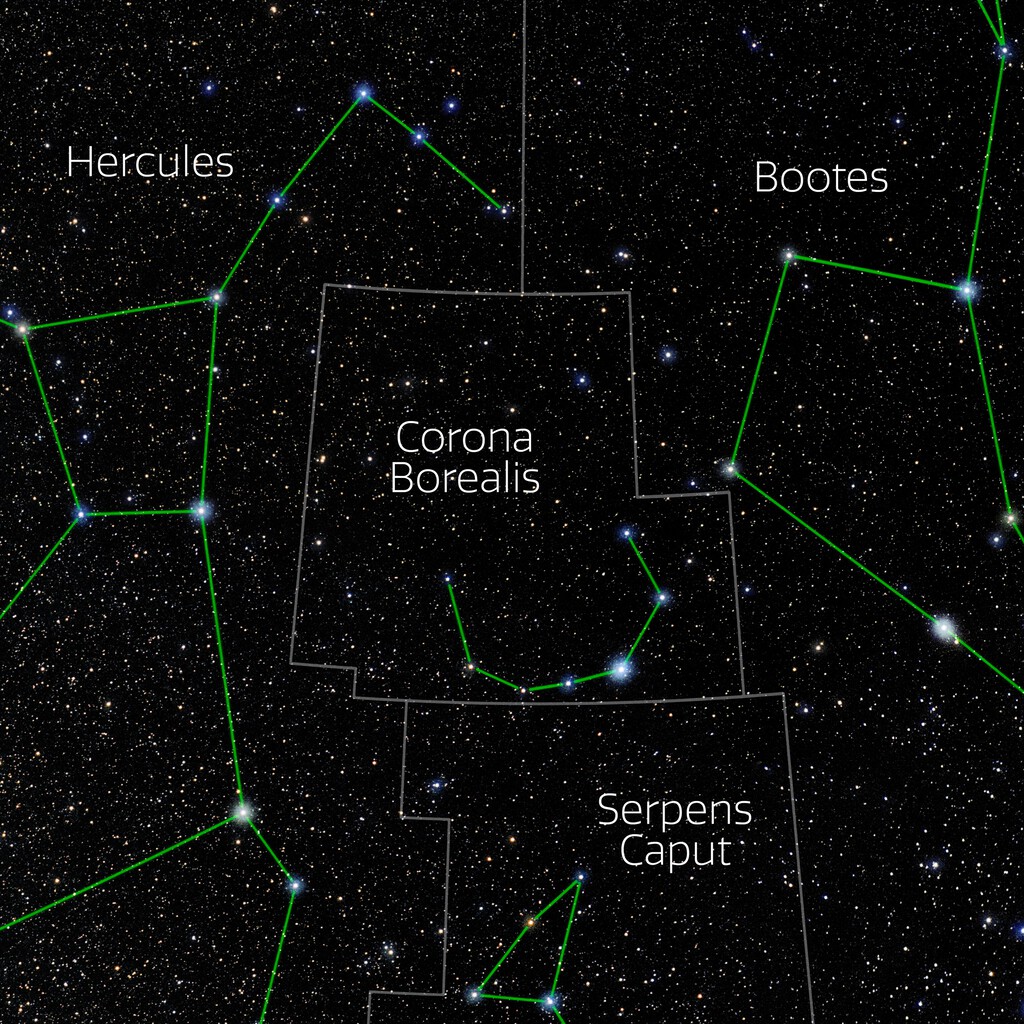
If the nova erupts, it will appear as a new star in the constellation Corona Borealis, which is visible in the Northern Hemisphere during the evening hours. The star will brighten rapidly over a few hours and remain visible for several days before fading. The longer history behind the story is traced in IBM Unveils First Sub-1nm Chip: 0.7nm Breakthrough Explained.
To observe it, find a dark location away from city lights and look for the distinctive semicircular pattern of Corona Borealis. The nova will appear as a bright point of light within this arc. The background to this story is set out in Chilean Astronomers Find First Exomoon Candidate Evidence. A related thread runs through Herschel Museum Art Show Celebrates Astronomer Siblings. Earlier coverage in China's Tianyu Telescope: A New Era for Fast Astronomy shows how the argument developed.
- Location: Corona Borealis, visible in the Northern Hemisphere.
- Brightness: Expected to reach magnitude 2, similar to Polaris.
- Duration: Visible for a few days to a week.
- Best time: After sunset, when the constellation is high in the sky.
- Equipment: Naked eye, though binoculars or a telescope will enhance the view.
Comparison with Other Novae
| Nova | Last Eruption | Recurrence Period | Peak Magnitude |
|---|---|---|---|
| T Coronae Borealis | 1946 | ~80 years | 2 |
| RS Ophiuchi | 2006 | ~20 years | 4.5 |
| V745 Scorpii | 1989 | ~10 years | 9 |
| V3890 Sagittarii | 1990 | ~20 years | 8 |
What If It Doesn't Erupt Tonight?
If the nova does not appear tonight, it will likely erupt within the next few years. Astronomers will continue to monitor the system, and amateur astronomers can contribute by regularly observing the star and reporting changes in brightness. A closer look at the same subject appears in Jodrell Bank Observatory Closure Threat: UK Astronomy Crisis. Anyone following the wider picture can start with Jodrell Bank Observatory Funding Cuts Threaten UK Astronomy. The same theme surfaces in Indigenous Astronomy Exhibition Shares Star Knowledge Across, which takes a different angle.
Even if the prediction is wrong, the effort highlights the importance of citizen science and the excitement of waiting for a cosmic event. Context on how this played out before sits in Science: latest articles. A companion piece, August 12, 2026: Solar Eclipse, Perseids and Planetary Alignment, approaches the same subject from another angle.
FAQ
What is T Coronae Borealis?
T Coronae Borealis is a binary star system containing a red giant and a white dwarf. It is a recurrent nova, meaning it undergoes periodic thermonuclear explosions that make it visible to the naked eye.
When will T Coronae Borealis erupt?
Astronomer Jean Schneider predicted four possible dates for the next eruption, with the final date being tonight. However, most scientists agree that the exact timing is uncertain, and it could happen anytime within the next few years.
How can I see the nova if it erupts?
Find a dark location away from city lights and look for the constellation Corona Borealis in the evening sky. The nova will appear as a bright star within the constellation's semicircular pattern.
What happens during a nova eruption?
During a nova eruption, the white dwarf's surface undergoes a thermonuclear explosion, releasing a vast amount of energy and causing the star to brighten dramatically for a few days.
Browse the Shop
 Acacia frida deluxe solid wood bed frame |
Bedroom bench |
Bed chest drawers |
Lingerie dresser |
Frame base |
Mirror with jewelry storage |
30 Bathroom Vanity |
Memory foam queen mattress |
Mattresses for back pain |
Nightstand set of 2 |
Grand Goldman Shop |
Civil Lawyer
Deutschland Trikot WM 2026







