

The Tacoma Narrows Bridge collapse in 1940 remains one of the most famous engineering failures in history. On November 7, 1940, the suspension bridge in Washington State twisted and tore itself apart in a matter of minutes, stunning engineers and the public alike.
The event, captured on film, showed the bridge's deck undulating violently before the structure gave way. It was a turning point that reshaped how engineers approach bridge design, particularly regarding wind loads and aerodynamic stability.
Find Original Home Decor sparking conversation at Grand Goldman Shop.

But the collapse was not just a spectacle; it was a harsh lesson in the dangers of prioritizing elegance over safety. In the decades since, the lessons from Tacoma Narrows have been incorporated into building codes and design practices worldwide.
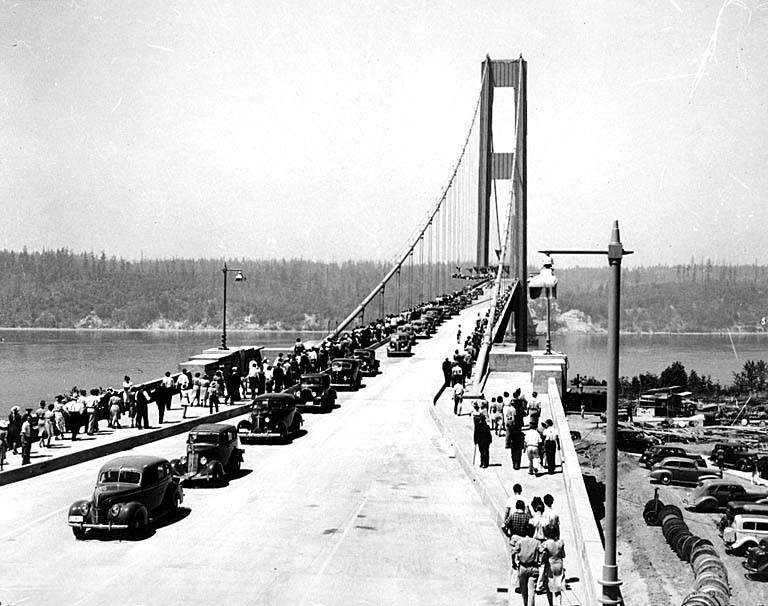
The Rise of Galloping Gertie
When the Tacoma Narrows Bridge opened in July 1940, it was hailed as a marvel of modern engineering. Designed by Leon Moisseiff, a renowned engineer who also contributed to the Golden Gate Bridge, the bridge featured a slender, graceful profile that symbolized a new era of economic and structural efficiency.
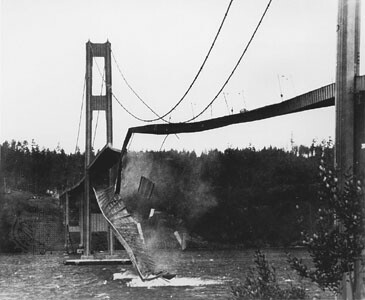
However, from the very first day, the bridge exhibited unsettling behavior. Even under moderate winds, the deck would vibrate and undulate, earning it the nickname "Galloping Gertie" among construction workers. The nickname was more than just colloquial; it hinted at a deep, misunderstood instability that would soon become apparent.

Despite its aesthetic appeal, the bridge's design was too thin and too light, pushing the boundaries of what was considered safe. The engineering community initially dismissed the vibrations as harmless, but they were a harbinger of disaster.
The Fatal Vibrations
In the months leading up to the collapse, researchers from the University of Washington conducted intensive studies. They built scale models, ran wind tunnel tests, and even tried emergency solutions like hydraulic jacks and temporary cables. None of these measures could stop the oscillations.
The bridge's extreme flexibility allowed it to absorb wind energy, which manifested as a twisting motion known as torsional flutter. This phenomenon was not well understood at the time, and the bridge's design lacked the necessary aerodynamic features to mitigate it.
On the morning of November 7, 1940, the wind speed was around 40 miles per hour—not exceptionally high, but enough to trigger the catastrophic failure. The bridge's deck began to twist violently, and at around 11:00 AM, a large section of the roadway tore away and plunged into the Puget Sound.
Why the Bridge Collapsed
The collapse was a result of a combination of factors. The bridge's solid plate girders, which gave it a sleek look, also made it susceptible to wind-induced vibrations. Unlike truss-stiffened designs, the solid girders acted like a sail, catching the wind and causing the deck to twist.
Moreover, the bridge was extremely narrow and flexible, with a depth-to-span ratio that was unprecedented. This lack of stiffness allowed the torsional oscillations to grow unchecked. The engineering community had never encountered such behavior before, and the design did not account for the dynamic effects of wind.
The collapse was a wake-up call. It highlighted the need for aerodynamic testing and the importance of considering wind loads in bridge design. The failure was not due to a single error but a systemic oversight in understanding the complex interaction between wind and flexible structures.
How the Collapse Changed Engineering
The Tacoma Narrows Bridge collapse had a profound impact on the field of structural engineering. It led to the development of new design criteria and the widespread adoption of wind tunnel testing for major bridges.
Engineers began to incorporate aerodynamic features such as open grating decks, streamlined shapes, and tuned mass dampers to mitigate wind-induced vibrations. The collapse also spurred research into the field of wind engineering, which studies the effects of wind on structures.
Furthermore, the disaster emphasized the importance of considering dynamic loads and the potential for resonance in flexible structures. Building codes were updated to require rigorous analysis of wind effects, and the engineering community became more cautious about pursuing aesthetic goals at the expense of safety.
Lessons Learned and Legacy
Today, the Tacoma Narrows Bridge collapse is a case study in engineering ethics and design failure. It serves as a reminder that even the most prestigious engineers can overlook critical factors when pushing the boundaries of innovation. The background to this story is set out in Science: latest articles. A related thread runs through Isak Seals Liverpool Win to End Brighton's Premier League Streak.
The collapse also demonstrated the value of humility and peer review. Had the concerns about the bridge's vibrations been taken more seriously, the disaster might have been averted. The event underscored the need for a conservative approach to design, especially when dealing with novel concepts. Earlier coverage in Ali G Stooge Claims He Was In On The Joke All Along shows how the argument developed. A closer look at the same subject appears in Carrick on Brink as Manchester United Humiliated by Bournemouth.
The legacy of Galloping Gertie lives on in the improved safety of modern bridges. The current Tacoma Narrows Bridge, completed in 1950, incorporates the lessons learned and stands as a testament to the progress made in structural engineering. Anyone following the wider picture can start with Newcastle's Second-Half Surge Piles Pressure on Lacklustre Crystal. The same theme surfaces in Tacoma Narrows Bridge Collapse: How It Changed Engineering Forever, which takes a different angle.
FAQ
What caused the Tacoma Narrows Bridge collapse?
The collapse was caused by torsional flutter, a phenomenon where wind-induced vibrations grew uncontrollably due to the bridge's flexible design and solid plate girders. The wind speed was only around 40 mph, but it was enough to trigger the failure.
Why was the bridge nicknamed Galloping Gertie?
Construction workers nicknamed the bridge Galloping Gertie because its deck would undulate and vibrate even in moderate winds, resembling a galloping horse. The nickname reflected the unsettling behavior that foreshadowed the collapse.
How did the collapse change bridge design?
The collapse led to the adoption of wind tunnel testing and aerodynamic design features in bridge construction. Engineers now consider dynamic wind loads and use streamlined shapes and dampers to prevent similar failures.
Was anyone hurt in the collapse?
No human lives were lost in the collapse, but a dog trapped in a car on the bridge perished. The event was captured on film, and the footage became a famous example of engineering failure.
Browse the Shop
 Acacia frida deluxe solid wood bed frame |
Bedroom bench |
Bed chest drawers |
Lingerie dresser |
Frame base |
Mirror with jewelry storage |
30 Bathroom Vanity |
Memory foam queen mattress |
Mattresses for back pain |
Nightstand set of 2 |
Grand Goldman Shop |
Civil Lawyer
Deutschland Trikot WM 2026







