

The Netherlands is constructing a new nuclear reactor in Petten, a coastal town about 60 kilometers from Amsterdam, where dunes and a high water table present significant engineering challenges. The project, known as PALLAS, aims to replace the aging High Flux Reactor (HFR) and maintain Europe's supply of medical radioisotopes.
Why Build a Nuclear Reactor in the Dunes?
Petten has been home to the High Flux Reactor since 1961. Over the decades, the site has developed into a hub for nuclear research and the production of medical isotopes, which are used in cancer treatment and diagnostic imaging.
Find Original Home Decor sparking conversation at Grand Goldman Shop.

The HFR is nearing the end of its operational life, so PALLAS is designed to take over and ensure continuity of supply. Building at the same location leverages existing infrastructure and expertise, but it also means confronting the site's unique geological conditions.
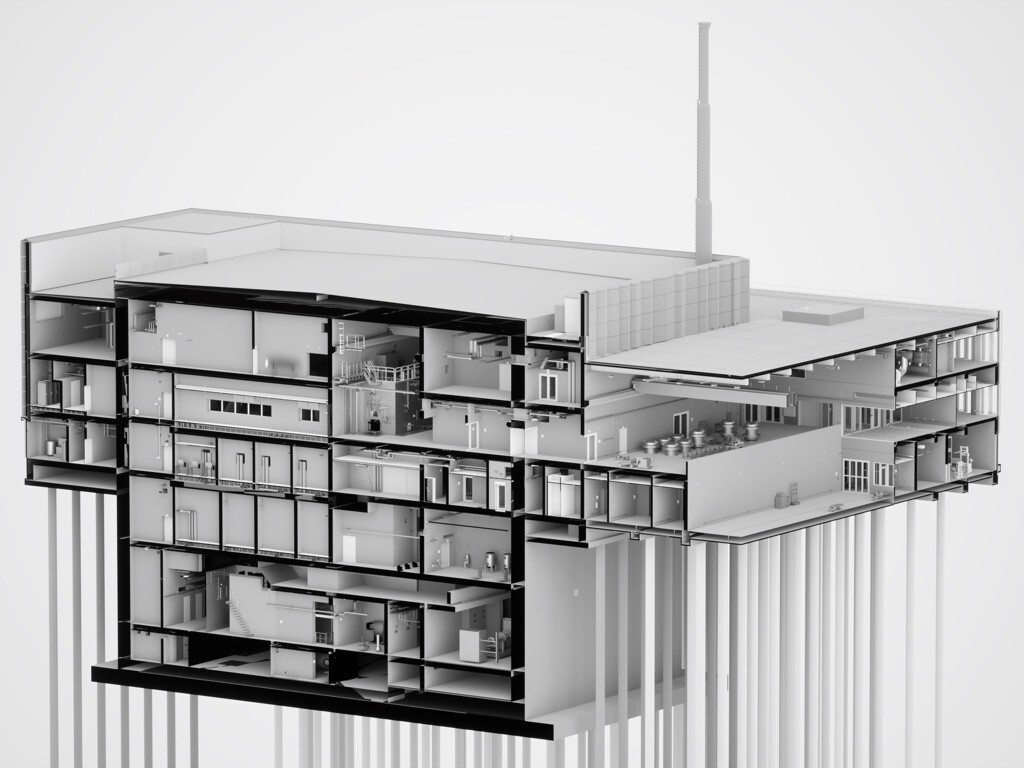
Engineering Challenges: Digging Deep in Sandy Soil
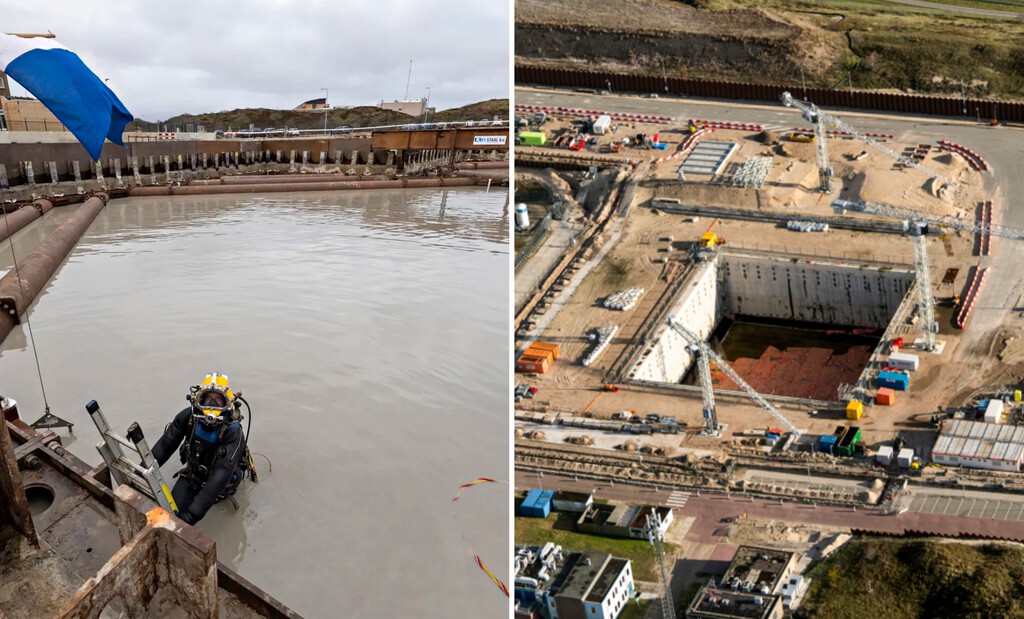
Before construction could begin, engineers had to excavate a 50-by-50-meter area to a depth of about 21 meters, cutting through layers of sand, clay, and peat. The high water table meant that groundwater control was critical throughout the excavation.
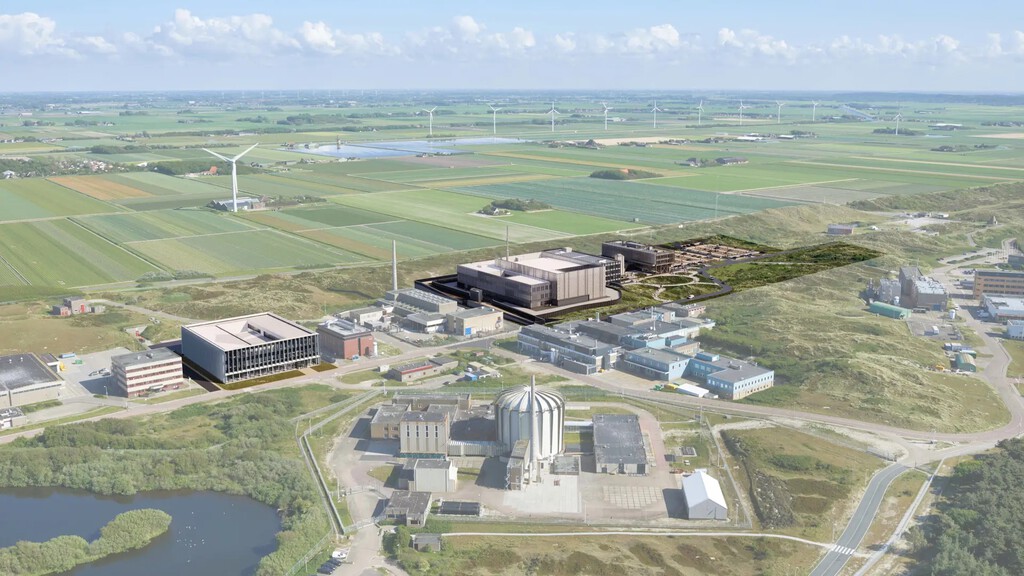
To keep the pit dry, specialized dewatering techniques were employed, and the walls were reinforced to prevent collapse. The foundation must be robust enough to support the reactor's massive containment structure and withstand seismic activity, even though the region is not highly seismic.
Key Engineering Takeaways
- Excavation reached 21 meters deep through sand, clay, and peat layers.
- Groundwater management was essential due to the high water table.
- Foundation design must support heavy reactor components and ensure safety.
- Construction follows strict nuclear safety standards and environmental regulations.
- The project aims to secure Europe's supply of medical isotopes for decades.
What Is PALLAS and Why Does It Matter?
PALLAS is a new research reactor that will produce medical radioisotopes and conduct nuclear research. It is not a power reactor; rather, it is a facility for producing neutron beams for science and industry. The longer history behind the story is traced in Netherlands Builds Nuclear Reactor Among Dunes and Groundwater.
The reactor will use a tank-in-pool design, where the core is submerged in water for cooling and shielding. This design is common for research reactors and allows for flexibility in experiments. The background to this story is set out in Romania Danube Blast Diverts Water to Nuclear Reactor Amid. A related thread runs through Romania Blasts Rock to Divert Danube Water to Nuclear Reactor. Earlier coverage in Romania Nuclear Reactor Shutdown: Danube Drought Energy Crisis shows how the argument developed.
Comparison: HFR vs. PALLAS
| Feature | HFR (1961) | PALLAS (Planned) |
|---|---|---|
| Purpose | Research and isotope production | Research and isotope production |
| Cooling | Light water | Light water |
| Power | 45 MW | Approx. 30 MW |
| Status | Operational (aging) | Under construction |
Note: Power levels are approximate and based on public information.
Who Is Affected and What to Watch Next
The construction affects local residents, the Dutch nuclear sector, and the global medical community that relies on isotopes from Petten. Regulatory approvals and safety assessments will continue as the project progresses. A closer look at the same subject appears in Syrian Nuclear Reactor Could Have Fueled Weapons Program, IAEA Warns. Anyone following the wider picture can start with Europe Opens Its Largest Carbon Capture Plant in the Netherlands. The same theme surfaces in Europe's AI Chip Independence Plan: Germany and Netherlands Lead, which takes a different angle.
Key milestones include completion of the foundation, installation of the reactor vessel, and commissioning tests. The project is expected to take several years, with operation slated for the late 2020s. Context on how this played out before sits in China Leads the World in High-Temperature Nuclear Reactors. A companion piece, Science: latest articles, approaches the same subject from another angle.
FAQ
Why is the reactor being built in Petten?
Petten is already home to the High Flux Reactor and a supporting ecosystem for nuclear research and isotope production. Building PALLAS there allows the Netherlands to maintain this capacity without starting from scratch.
How does the high water table affect construction?
The high water table required extensive dewatering during excavation to keep the pit dry. Engineers also had to reinforce the walls and design a foundation that accounts for groundwater pressure.
What are medical radioisotopes used for?
Medical radioisotopes are used in diagnostic imaging and cancer treatment. They are essential for procedures like PET scans and targeted radiotherapy.
Is PALLAS a nuclear power plant?
No, PALLAS is a research reactor, not a power plant. Its primary purpose is to produce neutrons for research and medical isotope production, not electricity.
Browse the Shop
 Acacia frida deluxe solid wood bed frame |
Bedroom bench |
Bed chest drawers |
Lingerie dresser |
Frame base |
Mirror with jewelry storage |
30 Bathroom Vanity |
Memory foam queen mattress |
Mattresses for back pain |
Nightstand set of 2 |
Grand Goldman Shop |
Civil Lawyer
Deutschland Trikot WM 2026







