

Batterijopslag heeft in 2026 een decisieve fase bereikt. Snelle innovatie, verschuivende wereldwijde toeleveringsketens en een stijgende vraag naar elektriciteit—vooral door AI en datacenters—versnellen doorbraken die de manier waarop energie wereldwijd wordt opgeslagen en geleverd kunnen herdefiniëren.
Van natrium-ionchemie tot roestgebaseerde megabatterijen beweegt de industrie zich voorbij lithium. Hier is een duidelijke, op feiten gebaseerde uiteenzetting van de grootste doorbraken in batterijopslag die 2026 vormgeven.
Find Original, High-end Home Decor that spark conversation at Grand Goldman Shop.

De Grote Verschuiving: van EV-batterijen naar netopslag
Een van de belangrijkste ontwikkelingen is niet alleen technologisch—het is strategisch.
Batterijfabrikanten wenden zich tot grootschalige netopslag naarmate de vraag naar elektrische voertuigen in belangrijke markten afneemt. Tegen 2026 wordt verwacht dat netopslag een groeiend aandeel van de vraag naar batterijen zal vertegenwoordigen, gedreven door de uitrol van hernieuwbare energie en de energievraag van datacenters.
Deze verschuiving weerspiegelt een diepere realiteit: moderne energiesystemen vereisen enorme opslagcapaciteit om intermitterende bronnen zoals zon- en windenergie in balans te brengen.
Waarom netopslag nu van belang is
-
Stabiliseert de levering van hernieuwbare energie
-
Voedt AI-gedreven datacenters
-
Vermindert de afhankelijkheid van fossiele brandstoffen
-
Maakt langdurige energieopslag (LDES) mogelijk
Experts uit de industrie zien langdurige opslag nu als 'een strategische noodzaak', niet als een nicheoplossing.
Natrium-ionbatterijen worden mainstream
De meest disruptieve doorbraak van 2026 is de opkomst van natrium-ionbatterijen.
Wat maakt natrium tot een gamechanger?
-
Rijke en goedkope grondstoffen
-
Verminderde afhankelijkheid van lithium, kobalt en nikkel
-
Sterke prestaties bij extreme temperaturen
-
Verbeterd veiligheidsprofiel
China loopt voorop, bedrijven schalen de productie op en zetten natrium-batterijen in zowel voertuigen als netopslagsystemen.
In een belangrijke mijlpaal heeft het eerste massaal geproduceerde natrium-ion-elektrische voertuig al op de weg gekomen, wat de praktische levensvatbaarheid aantoont.
De prestaties halen snel in.
Recente ontwikkelingen laten natrium-ionbatterijen bereiken:
-
~175 Wh/kg energiedichtheid (concurrerend met LFP-lithiumbatterijen)
-
Nabij gelijke kosten met lithium-ion, met prognoses dat het op lange termijn goedkoper wordt
Natrium is niet langer experimenteel—het schaalt wereldwijd.
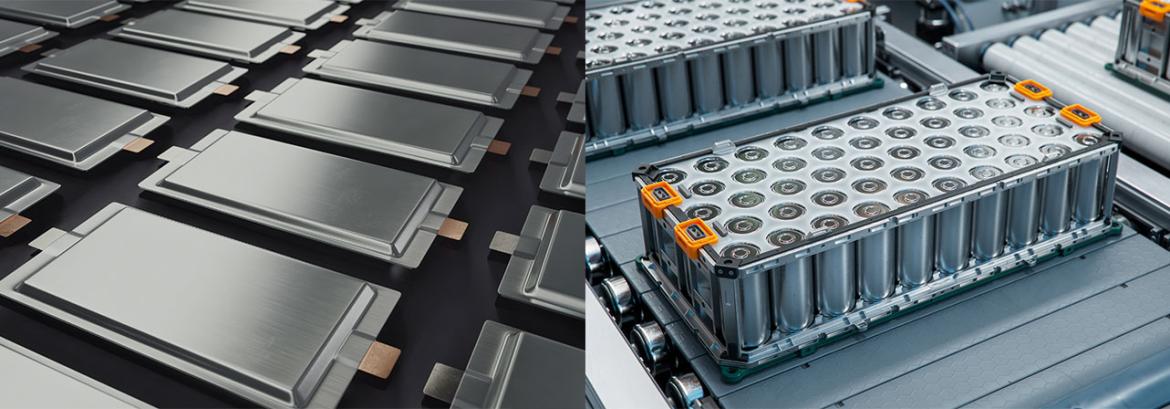
Solid-State batterijen naderen commercialisatie
Solid-state batterijen blijven een van de meest verwachte doorbraken — en 2026 markeert een keerpunt.
Waarom solid-state van belang is
-
Hogere energiedichtheid (meer vermogen in minder ruimte)
-
Niet-brandbare vaste elektrolyten (veiliger)
-
Snellere oplaadmogelijkheden
Autofabrikanten en fabrikanten investeren miljarden, terwijl de commercialisatietijden rond 2027–2028 samenvallen.
Recente innovaties omvatten:
-
AI-ondersteunde ontdekking van materialen met snellere iongeleiding
-
Betere duurzaamheid en langere cyclustijd
-
Bettere prestaties bij extreme temperaturen
Onderzoekers hebben zelfs een “vloeistofachtige ionenstroom” in vaste materialen geïdentificeerd, waardoor nieuwe efficiëntiewinsten mogelijk zijn.
Vooruitgang in de praktijk
Sommige solid-state batterijen nu:
-
Opladen van 15% naar 90% in minder dan 20 minuten
-
Bereik energiedichtheden boven de 350 Wh/kg
De technologie beweegt zich van laboratorium naar implementatie

Ijzer-luchtbatterijen: De “roest”-revolutie
Een van de meest onverwachte doorbraken komt van ijzer-luchtbatterijen—vaak beschreven als “roestgebaseerde” opslag.
Hoe het werkt
-
Gebruikt ijzeroxidatie (roesten) om energie op te slaan
-
Draait het proces om elektriciteit vrij te geven
-
Vertrouwt op overvloedige, goedkope materialen
Deze aanpak maakt afhankelijkheid van lithium en zeldzame mineralen overbodig.
Waarom het belangrijk is
-
Extreem lage kosten
-
Ideaal voor opslag van energie over meerdere dagen
-
Ontworpen voor grootschalige nettoepassingen
Bedrijven schalen de productie al op en mikken op enorme installaties ter ondersteuning van hernieuwbare energienetten.
Deze technologie kan een van de grootste uitdagingen in de energievoorziening oplossen: het opslaan van energie voor dagen, niet uren.
Alternatieve chemistrieën krijgen momentum
Lithium is niet langer de enige optie in de markt. 2026 wordt gekenmerkt door diversificatie.
Belangrijke opkomende technologieën
-
Flow-batterijen – ideaal voor langdurige opslag
-
Natrium-ion – kosteneffectief en schaalbaar
-
Ijzer-lucht – extreem goedkope netopslag
-
Thermische batterijen – warmte opslaan in plaats van elektriciteit
Deze verschuiving wordt gedreven door risico's in de toeleveringsketen en kostendruk die samenhangen met lithium.
Overheden en bedrijven investeren zwaar in alternatieven om geopolitieke afhankelijkheden te verminderen.

Kosten doorbraken versnellen adoptie
Dalende kosten maken batterijopslag tot een gangbare energieoplossing.
Belangrijke kostenontwikkelingen
| Maatstaf | Trend |
|---|---|
| Lithium-ion-kosten | Met circa 85% gedaald sinds 2010 |
| Opslagsystemen | Verwacht onder de $100/kWh |
| Natrium-ion | Naderen van kosten die lager zijn dan lithium |
Lagere kosten maken het mogelijk:
-
Opslagprojecten op utiliteitsniveau
-
Residentiële energiesystemen
-
Industriële noodstroomvoorziening
Betaalbaarheid is niet langer de belangrijkste belemmering—schaalbaarheid is.
De opkomst van hybride batterijsystemen
Een andere belangrijke innovatie is het combineren van meerdere batterijchemistries.
Voorbeeld: Natrium- en Lithium-systemen
-
Gebruik lithium voor een hoge energiedichtheid
-
Gebruik natrium voor kostenbesparing
-
Optimaliseer prestaties voor verschillende toepassingsgevallen
Hybride systemen komen al voor in het Chinese batterijsysteem.
Deze aanpak stelt energieleveranciers in staat om kosten, prestaties en duurzaamheid in balans te brengen.
AI en datacenters stimuleren de vraag
De explosie van AI hervormt de markt voor batterijopslag.
Waarom AI van belang is voor batterijen
-
Datacenters hebben constante, betrouwbare stroom nodig.
-
Hernieuwbare energie-integratie vereist opslag.
-
Back-upsystemen moeten snel opschalen.
Deze vraag dwingt nutsbedrijven en technologiebedrijven om batterijsystemen boven fossiele brandstoffen te kiezen.
Batterijopslag wordt een cruciale infrastructuur voor de digitale economie.
Europees streven naar lokale batterij-innovatie
Europa investeert zwaar om de afhankelijkheid van geïmporteerde batterijmaterialen te verminderen.
Belangrijke ontwikkelingen
-
Financiering voor natriumgebaseerde solid-state batterijfabrieken
-
Focus op grootschalige opslagoplossingen voor het elektriciteitsnet
-
Nadruk op duurzaamheid en lokale toeleveringsketens
Zo heeft Duitsland de productie van natriumchloride solid-state batterijen gefinancierd om de uitrol te versnellen.
Dit wijst op een bredere trend richting regionale batterij-ecosystemen.
Wat is de volgende stap voor batterijopslag?
Het batterijlandschap in 2026 wordt gekenmerkt door diversiteit, schaal en snelheid.
Belangrijke trends om in de gaten te houden
-
Massale uitrol van natrium-ionbatterijen
-
Eerste commerciële solid-state batterij-uitrol
-
Uitbreiding van langdurige opslag (ijzer-lucht, flow)
-
Integratie van hybride batterijsystemen
-
Voortdurende kostenreducties
De grootste verandering is duidelijk: batterijopslag is niet langer een ondersteunende technologie—het wordt de ruggengraat van het mondiale energiesysteem.
Laatste conclusie
Doorbraken in batterijopslag in 2026 hervormen de energie op elk niveau—van woningen tot wereldwijde netwerken.
Lithium-ion is niet langer de enige dominante technologie. Natrium-ion, solid-state en ijzer-lucht-technologieën dichten snel het gat, elk oplost een ander deel van de opslaguitdaging.
Het resultaat is een veerkrachtigere, betaalbare en schaalbare energietoekomst—waar het opslaan van energie niet langer het knelpunt is, maar de basis.
Lees verder
Volkswagen ID.4 Lease-deals & Prijzen | Slim Stadsvervoer met een Scooter-Aanhangwagen | Chevy Bolt Leaseprijs & Beste EV-aanbiedingen | Bosch IDS Ultra Warmtepomp Specificaties & Besparingen | Doorbraken in batterijopslag in 2026 | E-bike-rijders & Veiligheidstips bij Zonsverduistering | Silence S02 L1e Specificaties & Stadsprestaties | OH!WOW Conductor Plus Beoordeling & Functies | Carbo E-bike Beoordeling: Lichtgewicht & Krachtig | Ioniq 6 Leaseprijs & Maandelijkse Aanbiedingen
Browse the Shop
 Acacia frida deluxe solid wood bed frame |
Bedroom bench |
Bed chest drawers |
Lingerie dresser |
Frame base |
Mirror with jewelry storage |
30 Bathroom Vanity |
Memory foam queen mattress |
Mattresses for back pain |
Nightstand set of 2 |
Grand Goldman Shop |
Civil Lawyer
Deutschland Trikot WM 2026
Acacia frida deluxe solid wood bed frame |
Bedroom bench |
Bed chest drawers |
Lingerie dresser |
Frame base |
Mirror with jewelry storage |
30 Bathroom Vanity |
Memory foam queen mattress |
Mattresses for back pain |
Nightstand set of 2 |
Grand Goldman Shop |
Civil Lawyer
Deutschland Trikot WM 2026










