

De sector van autonome voertuigen zit weer in volle vaart—en ditmaal is het openbaar vervoer het middelpunt. Een nieuwe golf van SPAC-ondersteunde bedrijven die zich richten op autonome bussen en shuttles ziet een hernieuwde investeerdersvraag, wat wijst op een verschuiving van speculatieve hype naar real-world deployment.
Na jaren van volatiliteit stroomt er opnieuw kapitaal naar mobiliteits-startups die schaalbare, omzetgenererende autonome transportsystemen beloven. De nieuwste golf suggereert dat beleggers erop inzetten dat autonome bussen — niet robotaxi's — de eersten zullen zijn die een constante winstgevendheid bereiken.
Find Bleeding Edge Supplements at Scandalous Prices on iHerb.

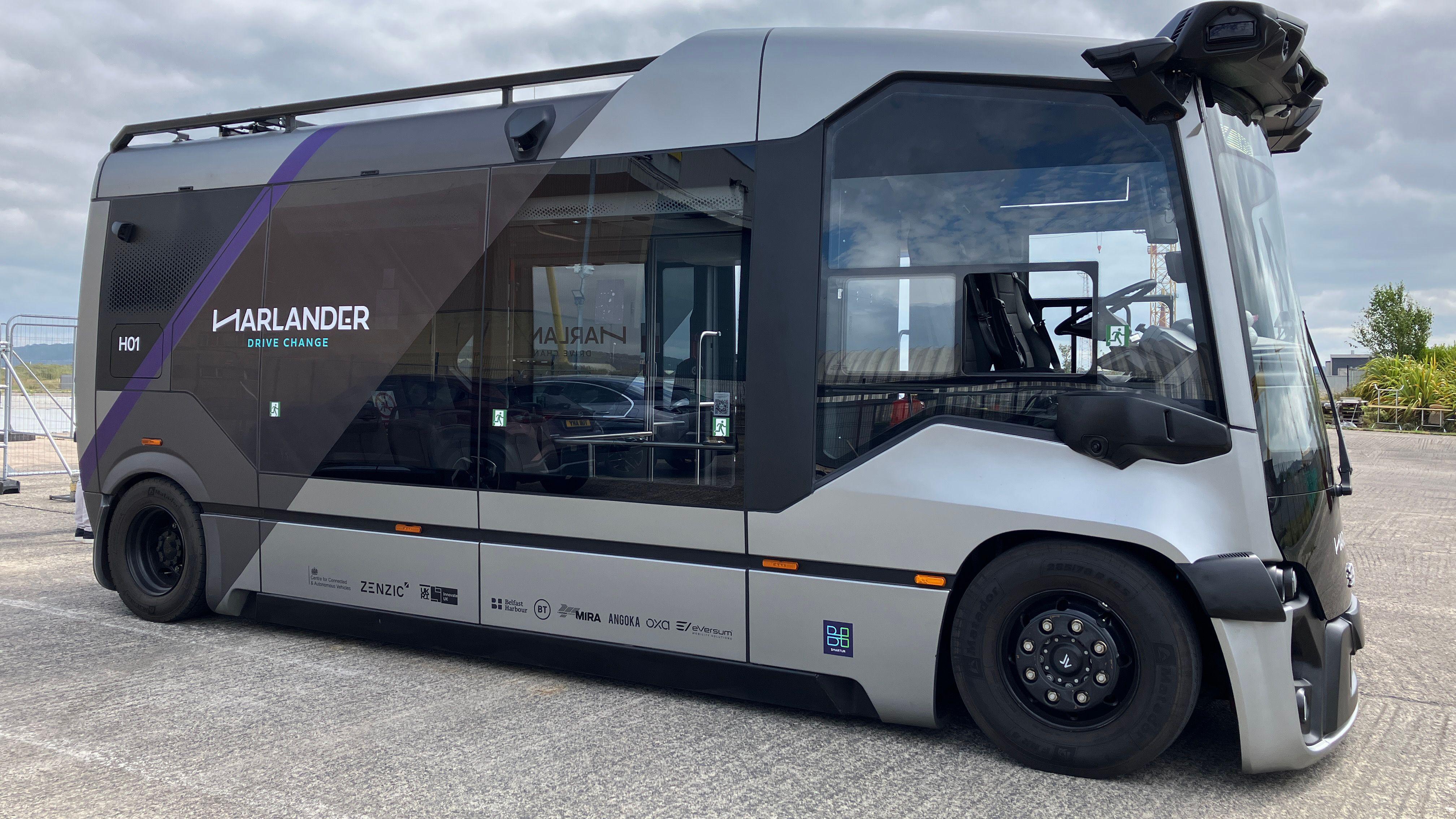
Een SPAC-comeback gevoed door echte implementaties
Special Purpose Acquisition Companies (SPACs) waren ooit synoniem aan overhypte EV-startups. Maar het verhaal verandert snel in 2026.
Recente deals—waaronder autonome vracht- en mobiliteitsbedrijven die via SPAC-fusies naar de beurs gaan—onderstrepen een hernieuwde belangstelling voor automatisering in transport. Zo gaat het Zweedse autonome transportbedrijf Einride via een SPAC-deal van $1,8 miljard naar de beurs, wat de voortgezette institutionele belangstelling voor automatiseringsinfrastructuur onderstreept.
Wat nu anders is, is de uitvoering.
Autonome bus- en shuttlebedrijven presenteren geen verre visies meer — ze starten pilots, sluiten gemeentelijke contracten af en integreren in openbaar vervoerssystemen.
Waarom autonome bussen de aandacht van investeerders trekken
1. Sneller pad naar commercialisatie
In tegenstelling tot robotaxi's opereren autonome bussen op vaste routes en in gecontroleerde omgevingen, waardoor ze makkelijker te implementeren zijn.
-
Voorspelbare routes verminderen AI-Complexiteit.
-
Lagere veiligheidsrisico's versnellen de regulatorische goedkeuringen.
-
Vlootgebaseerde modellen genereren terugkerende inkomsten
Bedrijven zoals May Mobility bereiden al autonome bus-implementaties voor in meerdere regio's, waarbij 30-zits elektrische minibussen testfasen ingaan voorafgaand aan commerciële uitrol.
2. Enorme marktgroei
De totale adresbare markt groeit snel.
-
Wereldwijde markt voor autonome voertuigen naar verwachting zal $364 miljard in 2026 bereiken
-
Naar verwachting zal het groeien met een 34,8% CAGR tot 2035
Openbaar vervoer vertegenwoordigt een van de grootste segmenten en omvat meer dan 90% van de implementatiegevallen.
Voor beleggers vertaalt dit zich in langetermijnrendementen die op infrastructuur lijken, in plaats van volatiele consumentengebruikscycli.
3. Overheden en stedelijke partnerships
Autonome bussen sluiten nauw aan bij de stedelijke beleidsdoelstellingen:
-
Verminderde congestie
-
Lagere emissies
-
Verbeterde toegankelijkheid
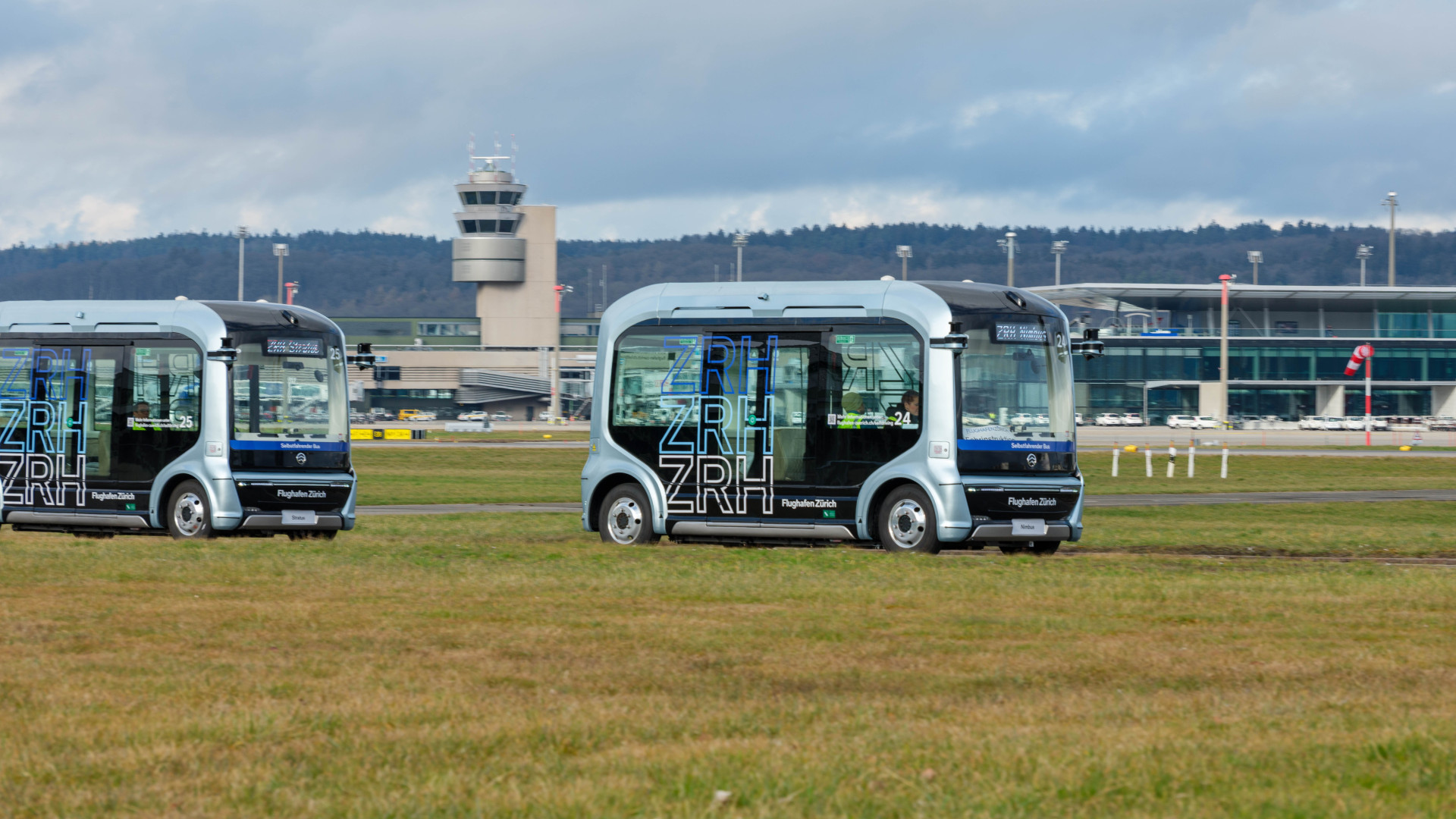
Steden werken steeds vaker samen met privébedrijven om autonome shuttles in gecontroleerde zones in te zetten, zoals luchthavens, campussen en bedrijfsdistricten.
In 2026 wordt verwacht dat meerdere pilotprogramma's opschalen tot permanente infrastructuur, met name in Noord-Amerika, Europa en Azië.
De SPAC-opleving: wat drijft de rally?
Institutioneel kapitaal keert terug
Na een afkoelingsperiode in 2022–2024 keren institutionele beleggers terug in het SPAC-ecosysteem—but met strengere criteria:
-
Bewezen technologie
-
Reële omzetpijplijnen
-
Strategische partnerschappen
Autonome mobiliteitsbedrijven die aan deze normen voldoen, zien sterke instroom.
Overstap van “Visie” naar “Validatie”
De vroege SPAC-boom werd gedreven door prognoses. De huidige opleving wordt gedreven door validatie:
| Toen (2020–2022) | Nu (2025–2026) |
|---|---|
| Bedrijven in conceptfase | Operationele pilots |
| Aggressieve voorspellingen | Meetbare KPI's |
| Door detailhandel gedreven hype | Institutioneel kapitaal |
| Focus op elektrische voertuigen | Autonome + AI-mobiliteit |
Deze ontwikkeling is cruciaal voor het herstellen van het vertrouwen van investeerders.
Breder momentum in het autonome ecosysteem
De SPAC-rally voor autonome bussen vindt niet plaats op zichzelf.
In de hele sector:
-
Robotaxi-diensten breiden zich uit naar nieuwe steden.
-
Autonome logistieke bedrijven schalen hun vloten op
-
AI-gestuurde systemen verbeteren snel
Bedrijven zoals Waymo leveren nu honderdduizenden ritten per week, met miljarden geïnvesteerd in het opschalen van de activiteiten.
Intussen versnellen wereldwijde spelers — van startups tot techreuzen — de uitrol, waardoor concurrentie en innovatie toenemen.
Risico's waar beleggers nauwlettend naar kijken
Ondanks de opleving is de sector nog verre van risicovrij.
Regelgevende onzekerheid
Autonome voertuigen staan nog steeds voor:
-
Veiligheidsonderzoeken
-
Versnippering van regionale regelgeving
-
Uitdagingen op het gebied van publieke acceptatie
Zelfs toonaangevende spelers hebben aandacht gekregen voor veiligheidsincidenten, wat wijst op een fragiel vertrouwensklimaat.
Tijdlijn voor winstgevendheid
Veel autonome bedrijven boeken nog steeds verlies.
Belangrijke zorgen omvatten:
-
Hoge R&D-kosten
-
Duur sensorhardware
-
Opschaling van infrastructuurvereisten
Vorige SPAC-mislukkingen in EV- en mobiliteitssectoren blijven een waarschuwing voor beleggers.
De concurrentie wordt heviger
De race omvat:
-
Big Tech (AI- en data-voordeel)
-
Autofabrikanten (productieschaal)
-
Startups (innovatietempo)
Dit drukke veld kan de winstmarges onder druk zetten, zelfs als de adoptie toeneemt.
Waarom autonome bus-SPACs op de lange termijn kunnen winnen
Ondanks de risico's bieden autonome bussen een overtuigende beleggingscase.
Voorspelbaar inkomstenmodel
In tegenstelling tot ride-hailing:
-
Contracten met steden zorgen voor stabiel inkomen
-
Vlootoperaties verlagen de kosten voor klantacquisitie
-
Infrastructuurintegratie creëert hoge overstapdrempels
Lagere druk op de eenheids-economie
Autonome bussen profiteren van:
-
Hogere passagierscapaciteit
-
Gedeelde operationele kosten
-
Continue inzet
Dit verbetert de weg naar winstgevendheid vergeleken met individuele robotaxi-ritten.
Sterk ESG-verhaal
Investeerders stellen duurzaamheid steeds vaker voorop.
Autonome elektrische bussen combineren:
-
Zero-emissietransport
-
Efficiënte stedelijke mobiliteit
-
Verminderde verkeersopstoppingen
Dit sluit aan bij zowel overheidsprikkels als institutionele ESG-maatregelen.
Wat komt hierna
De komende maanden zullen cruciaal zijn.
Belangrijke katalysatoren om in de gaten te houden:
-
Nieuwe SPAC-aankondigingen in autonoom vervoer
-
Proefprogramma's die in langetermijncontracten uitmonden
-
Regelgevende goedkeuringen in grote steden
-
Omzetgroei uit ingezette vloten
Industrie-analisten zien 2026 steeds vaker als een keerpunt — wanneer autonome mobiliteit overgaat van experimenteren naar grootschalige uitrol.
Kernpunt
De toename van autonome bus-SPACs markeert een bredere verschuiving in de beleggingsstemming — van speculatieve hype naar infrastructuurgedreven kansen.
Met daadwerkelijke implementaties die al van start zijn gegaan, sterke marktgroei en toenemende institutionele steun, kunnen autonome bussen het eerste segment van de zelfrijdende revolutie worden dat consistente rendementen oplevert.
Voor investeerders is de boodschap duidelijk: de race gaat niet langer om wie de beste technologie bouwt, maar om wie deze als eerste schaalbaar maakt.
Lees verder
Equinox EV-leasedeals net bekendgemaakt | Talaria Komodo elektrische fiets die iedereen wil | 99 Jetta-leasedeal is terug – hoe krijg je die snel | Zeecontainer-zonne-energie: gamechanger | Yozma IN10 elektrische tienerfiets review | EQE AMG vs EQS 450 – Welke luxe EV | Chevy Equinox EV-leasedeals bereiken een dieptepunt | Kimbal Musk verkoopt aandelen Tesla ter waarde van $25 miljoen | Tesla-brand veroorzaakt veiligheidszorgen
Cudajet-prijs onthuld – de moeite waard? | MAN EV-nieuws – belangrijke updates voor elektrische vrachtwagens | Honda annuleert grote elektrische SUV | EV-laadnieuws – grootste veranderingen | Elon Musk waarschuwt voor zonne-energie | Autonome bus SPAC stijgt fors | Hyundai & Kia verlagen EV-prijzen | Tesla van motorfietsen – OMOway OMO-X EV | Elektrische fiets met zijspan gaat viraal | Trend van kleine elektrische boten verovert de markt | Greenworks vs EGO – Beste accu-maaier
Browse the Shop
 Acacia frida deluxe solid wood bed frame |
Bedroom bench |
Bed chest drawers |
Lingerie dresser |
Frame base |
Mirror with jewelry storage |
30 Bathroom Vanity |
Memory foam queen mattress |
Mattresses for back pain |
Nightstand set of 2 |
Grand Goldman Shop |
Civil Lawyer
Deutschland Trikot WM 2026
Acacia frida deluxe solid wood bed frame |
Bedroom bench |
Bed chest drawers |
Lingerie dresser |
Frame base |
Mirror with jewelry storage |
30 Bathroom Vanity |
Memory foam queen mattress |
Mattresses for back pain |
Nightstand set of 2 |
Grand Goldman Shop |
Civil Lawyer
Deutschland Trikot WM 2026










