

Nelson Bunker Hunt, once the world's richest man, lost his fortune twice in a story that still fascinates financial historians. His tale is one of incredible luck, staggering wealth, and two devastating blows that no amount of money could prevent.
Born in 1926 in El Dorado, Arkansas, Nelson was the son of oil magnate H.L. Hunt, who had 15 children from three different women. Nelson set out to match his father's wealth, but his early attempts at finding oil in Saudi Arabia and Pakistan ended in failure.
Find Original Home Decor sparking conversation at Grand Goldman Shop.

His luck changed in 1961 when he secured Concession 65 in Libya, a massive 32,400-square-kilometer tract. This lucky break would set him on the path to becoming the wealthiest person on the planet.

The Rise of Nelson Bunker Hunt
The Libyan concession turned out to be a goldmine—or rather, an oil mine. Hunt's wells produced vast quantities of crude, and his fortune soared. By the late 1970s, he was synonymous with unimaginable wealth.
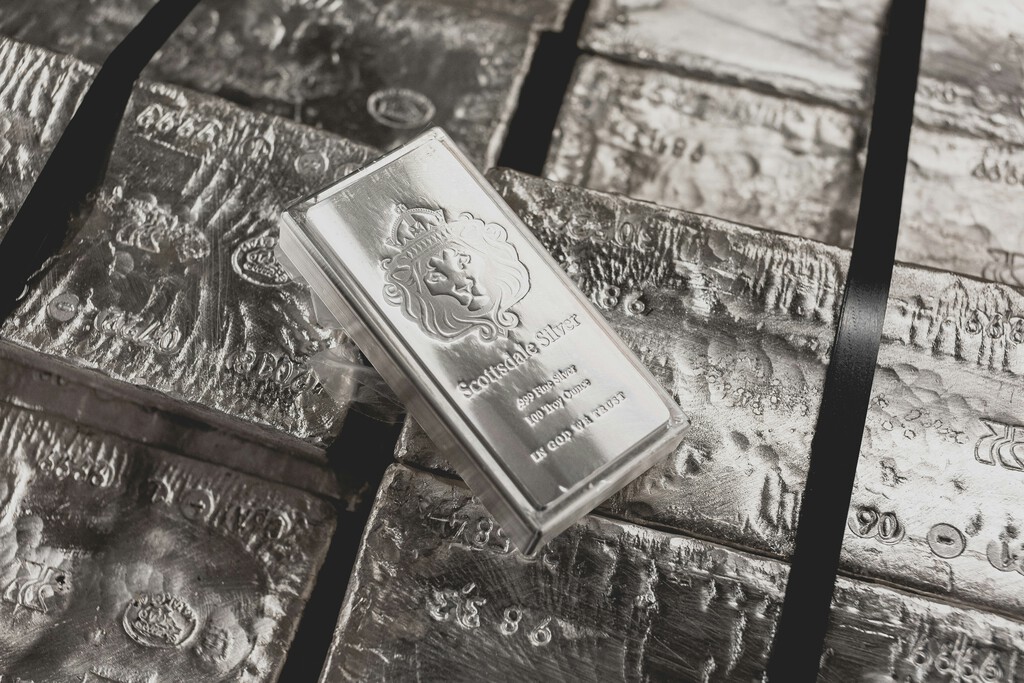
But Hunt wasn't content with oil alone. He began investing heavily in silver, believing it was undervalued and a safe hedge against inflation. At one point, he and his brothers amassed a silver hoard so large that it threatened to corner the global market.

His aggressive buying spree drove silver prices from around $6 per ounce in 1979 to nearly $50 per ounce in January 1980. Hunt's silver holdings were worth billions, and he seemed invincible.
The First Blow: A Coup in Libya
In 1969, a young colonel named Muammar Gaddafi overthrew the Libyan monarchy. Gaddafi's new regime quickly moved to nationalize foreign oil assets, including Hunt's lucrative Concession 65.
This was a devastating setback. Hunt lost a major source of his income and a significant portion of his wealth. However, he still had his silver investments and other assets, so he wasn't ruined—yet.
The Libyan nationalization was a stark reminder that even the richest man in the world is not immune to political upheaval. It was a warning sign that Hunt's fortune was more fragile than it appeared.
The Second Blow: Silver Thursday
Hunt's silver empire came crashing down on March 27, 1980—a day known as Silver Thursday. The price of silver plummeted from $21.50 to $10.80 per ounce in a single day.
The crash was triggered by a combination of factors: the COMEX exchange changed its rules to limit speculative buying, and the Federal Reserve tightened credit. Hunt and his brothers, who had borrowed heavily to finance their silver purchases, faced massive margin calls.
Unable to meet these calls, they were forced to liquidate their positions at a loss. Hunt's fortune evaporated. He filed for bankruptcy in 1988, listing debts of over $1 billion.
- Hunt's silver strategy was undone by rule changes and credit tightening.
- He lost his Libyan oil concession due to Gaddafi's coup.
- Despite his losses, Hunt remained resilient and continued to invest.
- His story highlights the risks of concentrated bets and leverage.
- Even the wealthiest can be brought down by unforeseen events.
What We Can Learn from Hunt's Downfall
Hunt's story offers timeless lessons for investors. First, concentration in a single asset, no matter how confident you are, can lead to catastrophic losses. Second, leverage amplifies both gains and losses—and margin calls can force you to sell at the worst possible time.
Third, political risk is real and can wipe out even the most seemingly secure assets. Hunt's Libyan oil fields were nationalized overnight, showing that property rights are not always guaranteed.
Finally, Hunt's refusal to diversify and his belief that silver was a sure thing blinded him to the risks. He ignored warnings and kept doubling down, a classic mistake. The longer history behind the story is traced in Algeria Approves Historic Troop Deployment to Niger After 53 Years.
| Event | Year | Impact on Hunt |
|---|---|---|
| Libyan coup | 1969 | Lost oil concession, major income source |
| Silver peak | 1980 | Silver holdings worth billions |
| Silver Thursday | 1980 | Lost fortune, faced bankruptcy |
| Bankruptcy filing | 1988 | Listed debts over $1 billion |
The Aftermath and Legacy
Despite losing everything, Hunt didn't retreat into obscurity. He continued to invest, albeit on a smaller scale, and remained active in business until his death in 2014. His story is often cited as a cautionary tale in finance textbooks. The background to this story is set out in Guyana Oil Boom: How Iran War Made It South America's Richest. A related thread runs through Billionaire Accountability: Man City and Clippers Verdicts. Earlier coverage in Defund Elon Musk: Why Billionaire Power Threatens Democracy shows how the argument developed.
Hunt's life reminds us that wealth is not permanent and that even the mightiest can fall. It also underscores the importance of risk management and the dangers of overconfidence. A closer look at the same subject appears in Digger Review: Tom Cruise's Oil Tycoon in Iñárritu's Eco-Satire. Anyone following the wider picture can start with Sir Ian Wood Obituary: Oil Tycoon's Legacy and Impact. The same theme surfaces in Musk Review: Epic Study of the World's Richest and Most Banal Man, which takes a different angle.
Today, the name Nelson Bunker Hunt is little known, but his story lives on as a warning to investors everywhere. It's a tale of two fortunes lost—one to a coup, one to a market crash—and a man who never stopped trying. Context on how this played out before sits in Bison on Santa Catalina Island: The Chewing Gum Tycoon's Legacy. A companion piece, Billionaire David Reuben's Monaco Tax Residency Explained, approaches the same subject from another angle.
FAQ
Who was Nelson Bunker Hunt?
Nelson Bunker Hunt was an American oil tycoon who was once considered the richest man in the world. He inherited wealth from his father, H.L. Hunt, and expanded it through oil exploration and silver investments.
How did Nelson Bunker Hunt lose his fortune?
He lost his fortune twice: first when Libya nationalized his oil concession in 1969, and second during the Silver Thursday crash in 1980, when his heavily leveraged silver investments collapsed.
What was Silver Thursday?
Silver Thursday was a financial event on March 27, 1980, when the price of silver crashed dramatically. It was triggered by rule changes on the COMEX exchange and tighter credit, forcing the Hunt brothers to liquidate their positions.
Did Nelson Bunker Hunt go to prison?
No, he did not go to prison. He faced legal battles and filed for bankruptcy, but he was not convicted of any crime related to his silver dealings.
Browse the Shop
 Acacia frida deluxe solid wood bed frame |
Bedroom bench |
Bed chest drawers |
Lingerie dresser |
Frame base |
Mirror with jewelry storage |
30 Bathroom Vanity |
Memory foam queen mattress |
Mattresses for back pain |
Nightstand set of 2 |
Grand Goldman Shop |
Civil Lawyer
Deutschland Trikot WM 2026







