Tech millionaires seeking to build a private city have shifted their focus from Greenland to Uruguay after political obstacles derailed their Arctic ambitions. The project, led by Dryden Brown, co-founder and CEO of Praxis, aims to create a new city-state with its own laws and tax system, funded by cryptocurrency wealth.
Brown's vision, inspired by Balaji Srinivasan's 'network state' concept, has attracted over 4,000 people willing to relocate. After failed attempts to secure land in Greenland and the Mediterranean, Uruguay emerged as the preferred destination due to its relative stability and openness to foreign investment.
Find Original, High-end Home Decor that spark conversation at Grand Goldman Shop.
What Is Praxis and the Network State Movement?
Praxis is a startup that grew out of online chats among anarcho-capitalists, crypto enthusiasts, and tech entrepreneurs. The idea is to purchase territory and establish a community governed by its own rules, eventually seeking recognition from other nations. This concept aligns with the broader 'network state' movement, which advocates for online communities to acquire physical territory and gain diplomatic recognition.

The movement gained traction during the pandemic as wealthy individuals sought alternative governance structures. Brown's project specifically targets millionaires and crypto investors who share a libertarian outlook and desire minimal regulation.
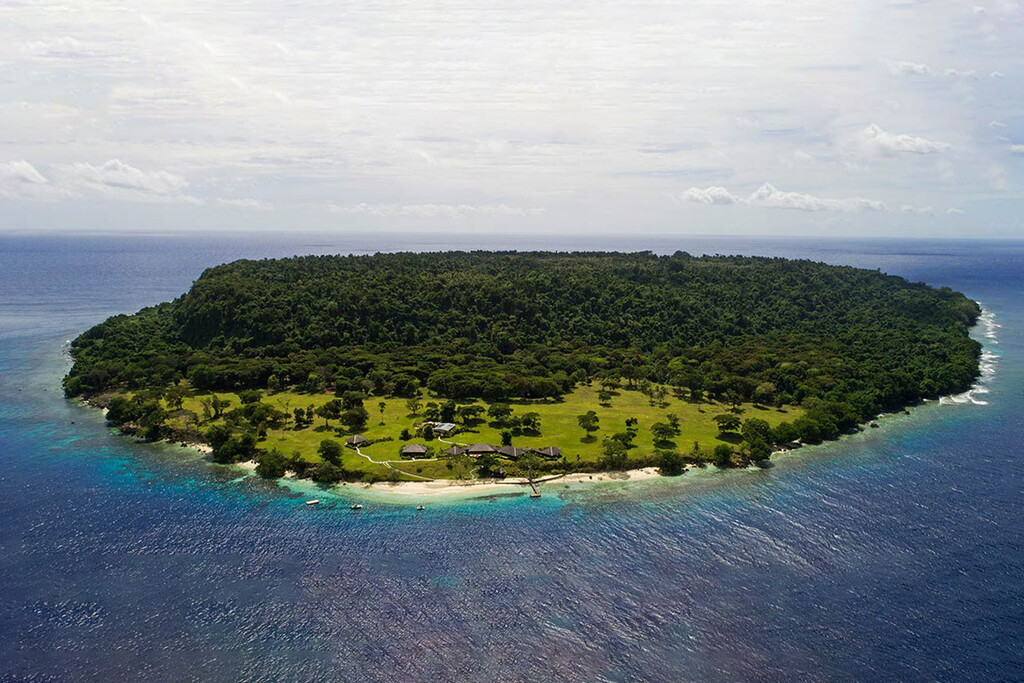
Why Greenland Was the Perfect Refuge—Until It Wasn't
Greenland initially appealed to the group due to its vast, sparsely populated land and strategic location. However, Danish authorities rejected the proposal, citing sovereignty concerns and environmental regulations. This political hurdle forced Praxis to look elsewhere.
The rejection highlights the challenges of establishing a new state within existing national borders. Even with substantial financial resources, private entities must navigate complex legal and political landscapes.
Uruguay: A More Discreet Option
Uruguay offers a more favorable environment for such ventures. The country has a history of attracting foreign investors with its stable democracy, business-friendly policies, and relatively low taxes. It also has a growing tech sector and a government open to innovation.
Praxis's move to Uruguay reflects a pragmatic approach: instead of fighting entrenched bureaucracies, the group seeks a jurisdiction more amenable to their vision. However, questions remain about how much autonomy the Uruguayan government will grant. The background to this story is set out in Star Trek at 60: The Utopian Vision That Still Eludes Us. A related thread runs through Trending: latest articles. Earlier coverage in El Corte Inglés Tech Deals: Top Discounts on September 26 shows how the argument developed.
Key Takeaways for Observers
- Political obstacles in Greenland forced Praxis to pivot to Uruguay.
- The project is part of the network state movement, which aims to create new governance models.
- Uruguay's business-friendly policies make it an attractive destination for such experiments.
- Over 4,000 people have expressed interest in joining Praxis.
- The venture raises questions about sovereignty and regulation in the modern world.
How Uruguay Compares to Other Potential Locations
| Location | Key Advantage | Main Obstacle |
|---|---|---|
| Greenland | Vast land, strategic location | Danish sovereignty, environmental regulations |
| Mediterranean beaches | Climate, tourism appeal | EU regulations, local opposition |
| Uruguay | Business-friendly policies, stable democracy | Uncertain autonomy, land acquisition challenges |
What This Means for the Future of Governance
The Praxis project is a test case for whether private entities can successfully establish new jurisdictions in the 21st century. If successful, it could inspire similar ventures and challenge traditional notions of statehood. A closer look at the same subject appears in MediaMarkt Tech Deals: Top Discounts on Laptops and Phones Today. Anyone following the wider picture can start with Lidl Instant Camera Sells Out Online, Returns to Stores in Two Days. The same theme surfaces in US Data Center Construction Boom: The Only Thing Being Built Now, which takes a different angle.
However, critics argue that such projects risk creating enclaves of wealth that operate outside democratic accountability. The outcome will depend on how Uruguay manages the project and whether other nations recognize it. Context on how this played out before sits in Why Hollywood Is Obsessed With the Tech-Bro Villain. A companion piece, Tech Millionaires Shift Utopian City Project from Greenland to Uruguay, approaches the same subject from another angle.
FAQ
What is Praxis?
Praxis is a startup founded by Dryden Brown that aims to build a private city-state with its own laws and tax system. It grew out of online discussions among tech millionaires and crypto enthusiasts.
Why did Praxis abandon Greenland?
Danish authorities rejected the proposal, citing sovereignty concerns and environmental regulations. This political obstacle forced the group to seek alternative locations.
Why choose Uruguay?
Uruguay offers a stable democracy, business-friendly policies, and a government open to foreign investment. It is seen as a more discreet and pragmatic option compared to other locations.
How many people are interested in joining Praxis?
According to Praxis's website, over 4,000 people have expressed willingness to relocate and join the community.
Browse the Shop
 Acacia frida deluxe solid wood bed frame |
Bedroom bench |
Bed chest drawers |
Lingerie dresser |
Frame base |
Mirror with jewelry storage |
30 Bathroom Vanity |
Memory foam queen mattress |
Mattresses for back pain |
Nightstand set of 2 |
Grand Goldman Shop |
Civil Lawyer
Deutschland Trikot WM 2026