


If youve ever admired the delicate translucency and milky white glow ofbone china, you might have wondered:Is bone china still made from bones?As someone deeply passionate about ceramics and the history of finetableware, Ive spent years researching and handling these iconic pieces.
The answer is yesbone chinaowes its unique qualities to the inclusion ofbone ashin its formula. Traditionally, the manufacturing process blends around 4050%bone ashwith kaolin and feldspathic materials, resulting in a porcelain thats not only stunningly white but also remarkably strong and chip-resistant.
Thebone ashused is typically derived from cattle bones, which are carefully processed to create a fine, pure ash that imparts the signature translucency and strength to the finished product.This labor-intensive process is what setsbone chinaapart from other ceramics and justifies its luxury status and higher price point. While some modern manufacturers have experimented with synthetic alternatives, authenticbone chinaespecially from renowned producerscontinues to rely on real bone ash to achieve its classic properties.
Understanding the origins and meticulous craftsmanship behindbone chinanot only deepens appreciation for its beauty but also highlights why it remains a symbol of elegance and tradition inceramic dinnerware. In this article, Ill guide you through the fascinating journey of howbone chinais made today, separating fact from myth and providing expert insight into this enduring art form.

What is Bone China?
Bone china is a type of porcelain that is known for its durability, whiteness, and translucency. It's considered a premium product among tableware and ceramics. The name "bone china" comes from the fact that it includes bone ash as a primary ingredient, distinguishing it from other types of porcelain and ceramics.
What is Bone China Made Of?
The primary ingredients of bone china are bone ash, kaolin (a type of clay), and feldspar. The bone ash, which comes from animal bones, primarily cattle, is used to enhance the strength and whiteness of the china. It's this inclusion of bone ash that gives bone china its unique qualities.
Is Bone China Really Made from Bones?
Yes, bone china is indeed made from bones. The process involves calcining animal bones at high temperatures to create bone ash, which is then mixed with other materials to form the clay body. The use of bone ash not only contributes to the strength of the final product but also imparts a warm, creamy color that is characteristic of fine bone china.
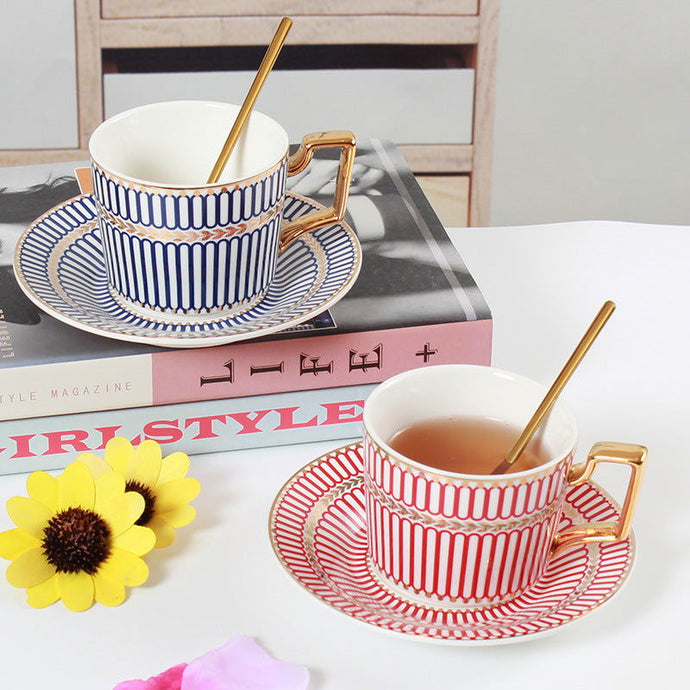
Handpainted Bone China Bicolor Coffee Cups
How is Bone China Made?
The production of bone china involves several steps:
- Preparation of Raw Materials: The first step is to prepare the raw materials, including bone ash, kaolin, and feldspar. The bone ash is derived from animal bones that are processed at high temperatures to remove impurities.
- Mixing and Molding: These materials are mixed to form a clay body, which is then molded into the desired shape. This could be anything from a simple plate to an intricate teacup.
- Firing: The molded items are fired in a kiln at high temperatures. This process is repeated multiple times to ensure durability and the final translucency of the product.
- Glazing and Decoration: Finally, the items are glazed and decorated. This might involve painting or applying decals, followed by another firing to set the designs.
Bone China Tea Cup SetsShop Now

Bone China vs. Other Types of China
Porcelain China vs. Bone China
Porcelain china and bone china are both types of ceramic, but they have distinct differences. Porcelain is made from a combination of kaolin and petuntse (a type of rock), and is fired at a higher temperature than bone china. This results in a very hard, durable product that is usually white and slightly translucent.
Bone china, on the other hand, includes bone ash, which gives it greater strength and a warmer color compared to porcelain. Bone china is also more chip-resistant and can be made thinner than porcelain without sacrificing strength.
Ceramic Plates vs. Bone Chinaware
Ceramic plates can be made from a variety of materials, including earthenware, stoneware, and porcelain. They tend to be thicker and less delicate than bone china. Bone chinaware, however, is renowned for its fine, delicate appearance and its resistance to chipping. This makes it ideal for fine dining and special occasions.
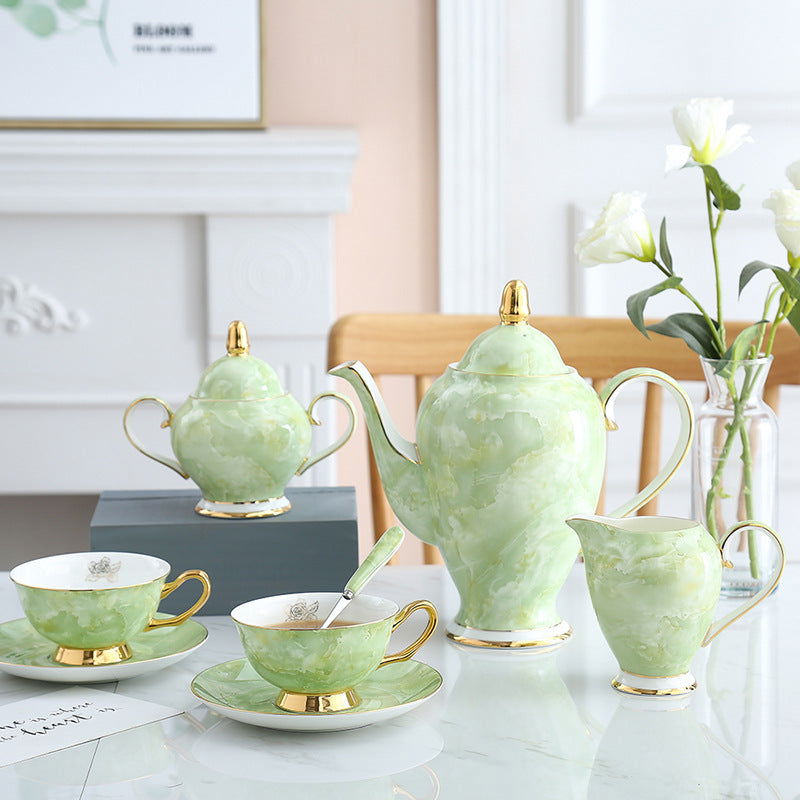
Bone China Handmade Marble-Gold Tea Set
What is Bone Porcelain?
Bone porcelain is another term for bone china. It emphasizes the porcelain-like qualities of bone china, such as its translucency and whiteness, while also highlighting the inclusion of bone ash in its composition. The terms "bone china" and "bone porcelain" can often be used interchangeably.
The History and Evolution of Bone China
Bone china has a rich history that dates back to the 18th century in England. It was developed as an alternative to imported porcelain, which was expensive and difficult to obtain. The introduction of bone ash into the porcelain-making process was a significant innovation that led to the development of this unique material.
Early Development
The first successful formula for bone china was created by Josiah Spode in the late 1700s. His method involved adding bone ash to the porcelain formula, resulting in a product that was both strong and aesthetically pleasing. This innovation quickly gained popularity and became the standard for high-quality tableware.
Modern Production
Today, bone china is produced worldwide, with significant manufacturers in countries like England, China, and Japan. While the basic formula remains the same, modern production techniques have enhanced the efficiency and precision of bone china manufacturing.
Bone China DinnerwareShop Now

The Appeal of Fine Bone China
Fine bone china is prized for its beauty and functionality. Its translucency and warm color make it a favorite for formal dining settings, while its durability ensures it can withstand regular use.
Why Choose Bone China?
- Aesthetic Appeal: Bone china's delicate appearance and warm color make it an elegant choice for tableware.
- Durability: Despite its delicate appearance, bone china is incredibly strong and resistant to chipping.
- Versatility: Bone china is suitable for both formal occasions and everyday use, making it a versatile addition to any kitchen.
Caring for Bone China
To maintain the beauty of bone china, it should be handled with care. It's best to wash bone china by hand using mild detergent and avoid using abrasive scrubbers. While many modern bone china pieces are dishwasher safe, it's still advisable to check the manufacturer's guidelines to ensure longevity.

Bone China Handpainted Floral Gift Set
Bone China Composition - Conclusion
Bone china remains a popular choice for those seeking elegance and durability in their tableware.
Its unique composition, involving bone ash, distinguishes it from other types of ceramics and provides its signature qualities. Whether you're hosting a formal dinner or enjoying a casual meal, bone china adds a touch of sophistication to any setting.
By understanding what bone china is and how it's made, you can appreciate the craftsmanship and history behind each piece, making it a valuable addition to your home.







