

Illegal street racing in Spain remains a persistent problem, as evidenced by the Guardia Civil's recent dismantling of a tuning meet in La Rioja. The operation resulted in 120 identifications and 25 sanctions, highlighting the ongoing challenge of enforcing traffic laws against organized street racing events.
The meet, promoted on social media and attended by influencers and over a hundred participants from various regions, was monitored for weeks by authorities. Drivers engaged in dangerous maneuvers, including drifting, sudden acceleration, and tire burning, in industrial areas and near a shopping center parking lot.
Find Original Home Decor sparking conversation at Grand Goldman Shop.

What Happened at the La Rioja Tuning Meet?
The Guardia Civil had been tracking the event for weeks, coordinating an intervention and prevention operation across several industrial estates in the region. Participants had gathered with the clear intention of organizing illegal races and performing stunts as a show.
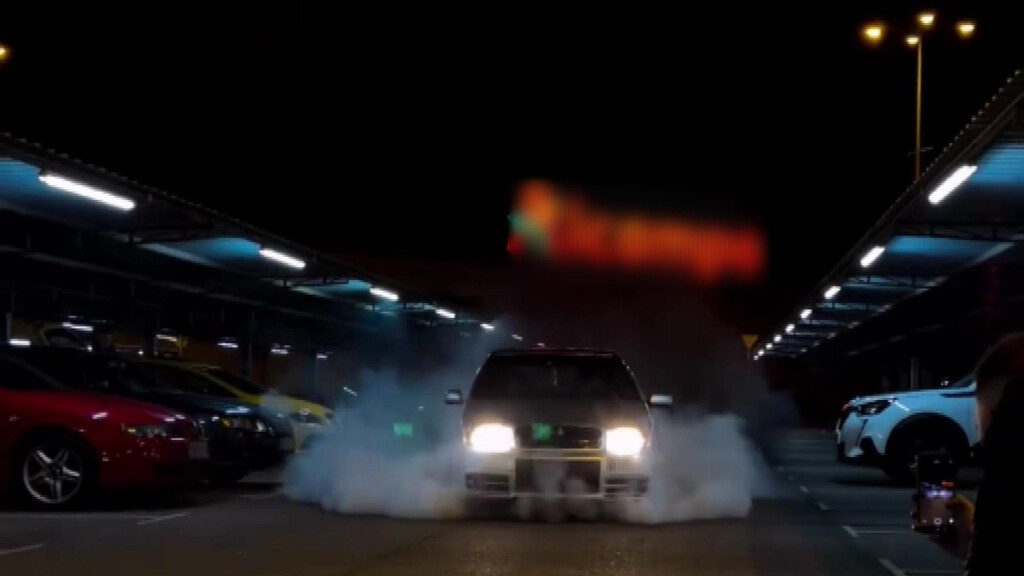
Authorities confirmed that drivers were seen drifting, accelerating abruptly, and burning tires near a public parking area of a shopping center. In nearby industrial zones, illegal races were detected, and drivers are now under investigation for crimes against road safety.
The operation ended with 120 people identified and 25 sanctions issued. Some individuals faced additional charges, including weapons possession and driving under the influence of drugs. This incident underscores the complexity of these gatherings, which often involve multiple illegal activities beyond traffic violations.
Why Do Illegal Street Racing Events Persist?
Despite strict traffic laws, illegal street racing continues to attract participants. The lure of adrenaline, social media fame, and a sense of community drives many to organize and attend these events. The use of social media platforms to spread the word makes it easier for organizers to gather large crowds quickly.
Moreover, the industrial estates and polygonos often provide secluded locations with less traffic and police presence, making them ideal for such activities. However, the risks are significant: not only do participants face legal consequences, but they also endanger themselves and others.
What Are the Legal Consequences of Illegal Street Racing in Spain?
In Spain, illegal street racing is considered a crime against road safety under Article 379 of the Penal Code. Those convicted can face prison sentences of six months to two years and license suspension for one to six years. Additionally, participants may be fined for other infractions, such as reckless driving or noise pollution.
In the La Rioja case, some individuals are also being investigated for weapons possession and drug driving, which carry separate penalties. The Guardia Civil's operation serves as a warning that such events will not be tolerated and that participants can face severe legal repercussions.
How Does the Guardia Civil Combat Illegal Street Racing?
The Guardia Civil employs a combination of intelligence gathering, surveillance, and rapid response to tackle illegal street racing. In the La Rioja operation, authorities monitored social media and other channels to anticipate the event and deploy resources effectively.
Preventive measures include increased patrols in known hotspots and collaboration with local police. Public awareness campaigns also aim to educate drivers about the dangers and legal consequences of illegal racing. However, the challenge remains due to the decentralized nature of these meets and the ease of organizing them via social media. The background to this story is set out in Spain's New Traffic Rules: Guardia Civil Officer Explains the Confusion. A related thread runs through Spain's Guardia Civil Faces Vehicle Crisis: 500,000 km Cars and 200,000 km. Earlier coverage in Guardia Civil Officers Rebel Against Mandatory Summer Motorcycle Patrols shows how the argument developed.
What Can Be Done to Prevent Illegal Street Racing?
Prevention requires a multi-faceted approach. Strengthening penalties and increasing police presence are essential, but addressing the root causes is equally important. Providing safe, legal alternatives for car enthusiasts, such as track days and organized events, can help reduce the appeal of illegal meets. A closer look at the same subject appears in High-Speed Smuggler Boats Outpace Spain's Guardia Civil. Anyone following the wider picture can start with Spain's Guardia Civil Buys Remote Phone Hacking System for 2.5M. The same theme surfaces in Guardia Civil Busts 10-Ton Hash Highway on Spain-Portugal River, which takes a different angle.
Community engagement and education campaigns can also play a role in changing attitudes. Ultimately, a combination of enforcement, education, and providing outlets for passion for cars is needed to curb this phenomenon. Context on how this played out before sits in Fake Guardia Civil SMS Targets Families of Urda Train Crash Victims. A companion piece, Guardia Civil Arrests Tomelloso Hospital Chalice Thief, approaches the same subject from another angle.
FAQ
What is illegal street racing?
Illegal street racing involves organizing or participating in races or stunts on public roads without proper authorization, often in industrial areas or abandoned lots. It is a crime against road safety in Spain.
What penalties do participants face?
Penalties can include prison sentences of six months to two years, license suspension, and fines. Additional charges may apply for other offenses like weapons possession or drug driving.
How can I report illegal street racing?
You can report illegal street racing to the Guardia Civil or local police by calling 062 or 112. Provide as much detail as possible, including location, time, and descriptions of vehicles and participants.
Are tuning meets always illegal?
Not necessarily. Tuning meets can be legal if they are properly authorized and held in designated areas with safety measures. However, unauthorized meets that involve stunts or racing on public roads are illegal.
Browse the Shop
 Acacia frida deluxe solid wood bed frame |
Bedroom bench |
Bed chest drawers |
Lingerie dresser |
Frame base |
Mirror with jewelry storage |
30 Bathroom Vanity |
Memory foam queen mattress |
Mattresses for back pain |
Nightstand set of 2 |
Grand Goldman Shop |
Civil Lawyer
Deutschland Trikot WM 2026







