

Australia's 150-kilometer straight road, known as the 90 Mile Straight, is a notorious stretch of asphalt that tests driver alertness. To combat the deadly boredom of this near-two-hour drive without a single turn, authorities have installed unconventional signs with trivia questions and random prompts. The goal? Keep your brain engaged and prevent the dangerous onset of highway hypnosis.
This innovative approach highlights a broader challenge: Australia has some of the world's most dangerous roads, not because of poor conditions or sharp curves, but because they are excessively long, straight, and empty. The country is now exploring creative solutions to avoid the potentially lethal drowsiness that such monotony induces.
Find Original Home Decor sparking conversation at Grand Goldman Shop.

Why Australia's Straight Roads Are Deceptively Dangerous
At first glance, a straight, well-paved road with little traffic might seem ideal. But on the 90 Mile Straight, the lack of stimulation creates a perfect storm for driver fatigue. The landscape barely changes, the hum of the engine becomes a lullaby, and the white lines blur into a hypnotic rhythm.
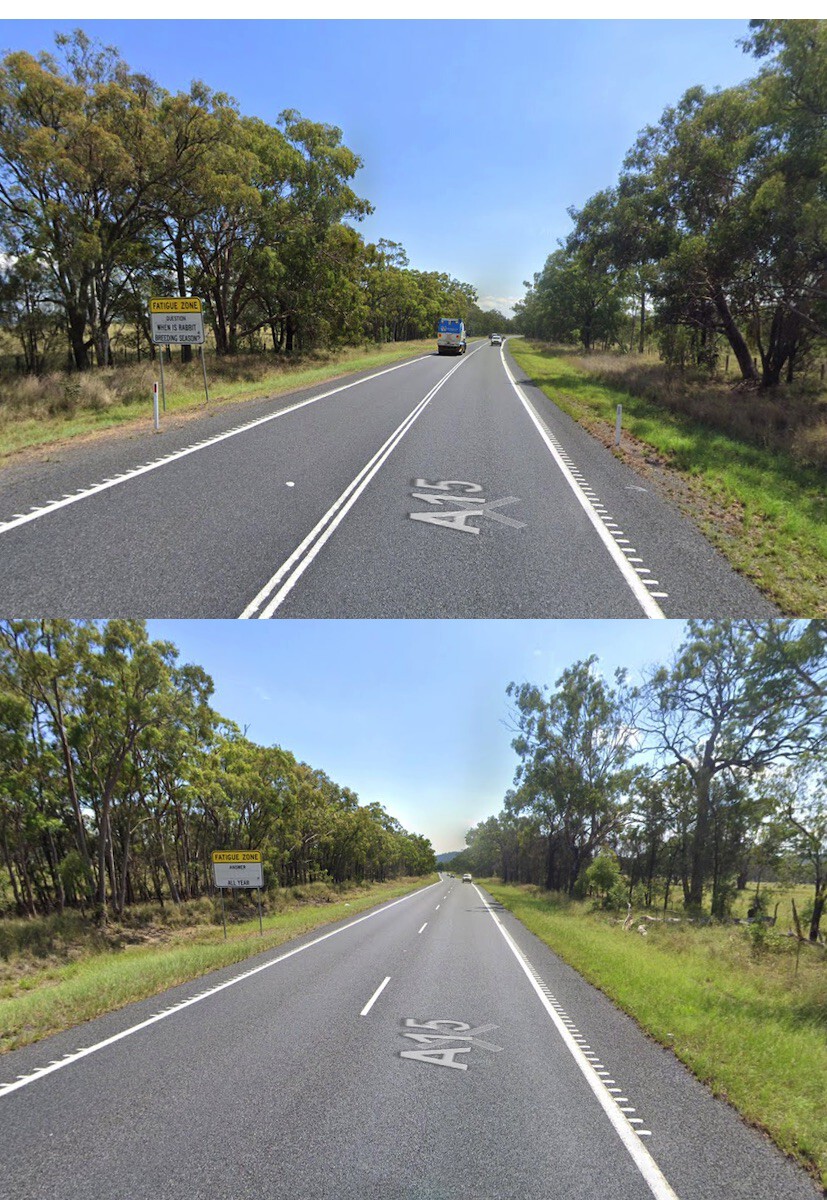
This phenomenon is known as highway hypnosis or white-line fever. It's more than just boredom; it's an altered mental state where drivers can continue steering and maintaining speed while responding to basic stimuli, but without conscious awareness of their actions. In essence, the brain goes into autopilot, significantly increasing the risk of a crash.

How Trivia Signs Break the Monotony
The trivia signs are a simple yet clever intervention. By posing random questions—like something out of a pub quiz—they force drivers to think actively. This mental engagement disrupts the trance-like state that long, straight drives can induce. It's a low-cost, high-impact way to keep attention where it belongs: on the road.
But the signs are just one part of a broader strategy. Australian road authorities are experimenting with various methods to combat driver fatigue, from rumble strips to rest areas and awareness campaigns. The common thread is recognizing that on endless straightaways, the enemy is not the road itself but the mind's tendency to drift.
The Science Behind Highway Hypnosis
Highway hypnosis occurs when the brain is deprived of novel stimuli. The repetitive visual input of a straight road and the steady drone of the engine can lull the brain into a theta-wave state, similar to light sleep. In this state, reaction times slow, and decision-making suffers, even though the driver may feel awake.
What makes it particularly insidious is that drivers often don't realize they're affected. They continue at speed, unaware that their focus has faded. That's why external prompts—like trivia signs—are so valuable: they jolt the brain back to active processing.
What This Means for Drivers on Long, Straight Roads
If you're planning a drive through remote Australia, take the warning seriously. The 90 Mile Straight is a test of endurance, and the trivia signs are there for a reason. Here are key takeaways to keep in mind: The longer history behind the story is traced in Australia's 150-Km Straight Road Uses Trivia Signs to Fight Highway Hypnosis.
- Recognize the signs of highway hypnosis: feeling drowsy, losing track of time, or having trouble remembering the last few kilometers.
- Engage your brain: Use trivia signs, audiobooks, or conversation to stay alert.
- Take regular breaks: Plan stops every two hours, even if you feel fine.
- Avoid driving when tired: Fatigue is a bigger risk on monotonous roads.
- Stay hydrated and cool: Dehydration and heat can worsen drowsiness.
Comparing Road Safety Measures on Australia's Straight Highways
Different interventions target different aspects of driver fatigue. The table below outlines how various measures compare in addressing the challenges of long, straight roads. The background to this story is set out in Car: latest articles. A related thread runs through Saudi Highway 10: World's Longest Straight Road at 240 km. Earlier coverage in Illegal Street Racing in Spain: Guardia Civil Cracks Down on Tuning Meets shows how the argument developed.
| Measure | Purpose | Effectiveness |
|---|---|---|
| Trivia signs | Mental engagement | High for short-term alertness |
| Rumble strips | Physical alert | Effective but can be ignored |
| Rest areas | Fatigue recovery | Essential for long drives |
| Awareness campaigns | Education | Long-term behavioral change |
What to Watch Next in Road Safety Innovation
Australia's experiments with trivia signs could inspire other countries facing similar challenges. As autonomous driving technology advances, the focus may shift to monitoring driver attention in real time, but for now, low-tech solutions like signs remain vital. A closer look at the same subject appears in Spain's Traffic Guard Associations Denounce Bonus System That Rewards Fines. Anyone following the wider picture can start with Smartglasses Safety: Truck Driver Fired in Landmark Case. The same theme surfaces in Ohio Salt Mine Closure Under Lake Erie Threatens Winter Road Safety, which takes a different angle.
The 90 Mile Straight is a unique case, but the lessons apply anywhere monotony meets the road. Whether it's a long highway in the Outback or a repetitive commute, understanding highway hypnosis and taking proactive steps can save lives. Context on how this played out before sits in Murder Conviction for Dragging Cyclist Under Car for a Mile. A companion piece, Truck Driver Fatigue Crisis: 60% Drive Tired Due to Low Pay, approaches the same subject from another angle.
FAQ
What is the 90 Mile Straight?
The 90 Mile Straight is a 150-kilometer stretch of straight road in Australia, one of the longest in the world. It is part of the Eyre Highway and crosses the Nullarbor Plain.
How do trivia signs help prevent highway hypnosis?
Trivia signs engage drivers mentally by posing questions, which disrupts the monotony and reduces the risk of entering a trance-like state. This simple intervention keeps the brain active and focused on driving.
What are the symptoms of highway hypnosis?
Symptoms include drowsiness, losing track of time, difficulty remembering recent driving, and feeling disconnected from the task. Drivers may continue without conscious awareness, which is dangerous.
Are there other measures to stay safe on long straight roads?
Yes, taking regular breaks, using rumble strips, and staying hydrated are effective. Awareness campaigns also educate drivers about the risks of fatigue on monotonous roads.
Browse the Shop
 Acacia frida deluxe solid wood bed frame |
Bedroom bench |
Bed chest drawers |
Lingerie dresser |
Frame base |
Mirror with jewelry storage |
30 Bathroom Vanity |
Memory foam queen mattress |
Mattresses for back pain |
Nightstand set of 2 |
Grand Goldman Shop |
Civil Lawyer
Deutschland Trikot WM 2026







