

The 1955 Le Mans disaster remains the deadliest accident in motorsport history, claiming the lives of driver Pierre Levegh and 83 spectators. On June 11, 1955, the Circuit de la Sarthe witnessed a horrific crash that would forever change racing safety standards.
This article explores what happened that day, why it mattered, and how the tragedy reshaped motorsport forever.
Find Original Home Decor sparking conversation at Grand Goldman Shop.

What Happened at Le Mans in 1955?
The race was barely hours old when Juan Manuel Fangio and Mike Hawthorn battled for the lead. Hawthorn, having just lapped Lance Macklin's Austin, saw his pit crew signaling him to stop. He braked hard, causing Macklin to swerve.
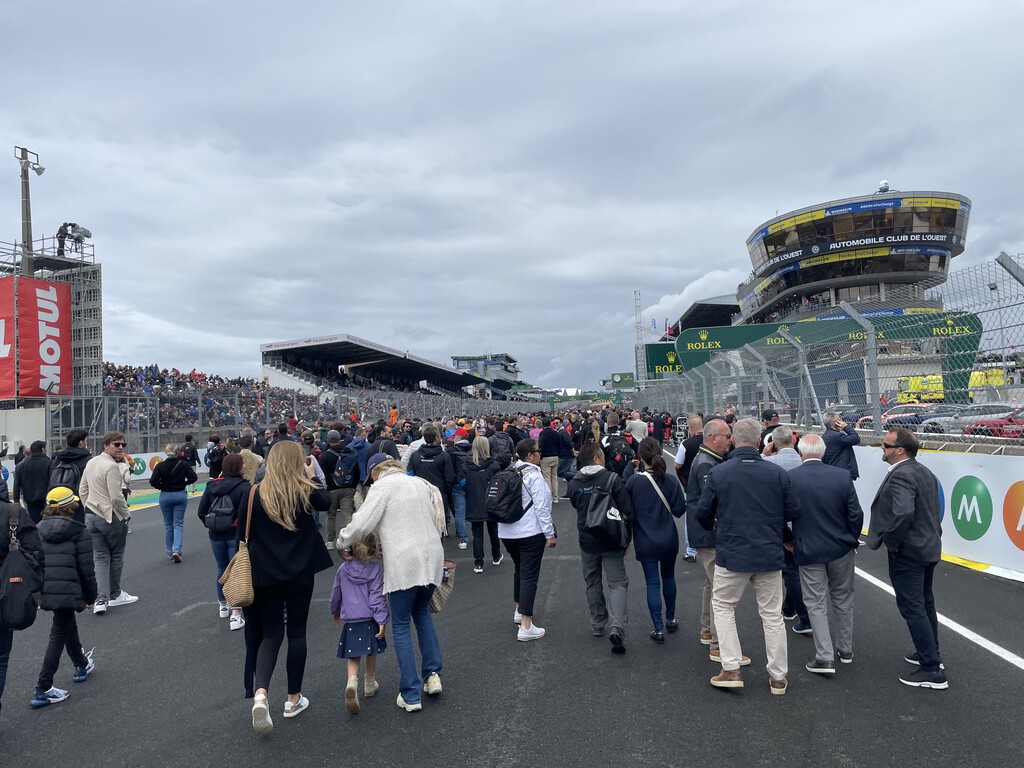
Pierre Levegh, also lapped and approaching at speed in his Mercedes, had nowhere to go. His car struck Macklin's Austin, which acted as a ramp, launching Levegh's Mercedes into the packed grandstand. The impact was catastrophic.
The Immediate Aftermath
Levegh was killed instantly, and the flaming debris caused dozens of fatalities among spectators. Despite the carnage, the race continued—a decision that remains controversial. The event shocked the world and prompted immediate calls for safety reforms.
Why Did the 1955 Le Mans Crash Happen?
Several factors contributed to the disaster. The pit lane was not separated from the racing line, forcing drivers to brake abruptly while others were at full speed. The Mercedes 300 SLR was lightweight and aerodynamic, but its magnesium body burned fiercely upon impact.
Moreover, safety barriers were inadequate, and spectators were dangerously close to the track. The combination of high speeds, poor circuit design, and flammable materials created a perfect storm.
- Lack of separation between pit lane and racing line led to sudden braking.
- Flammable materials in car construction intensified the fire.
- Insufficient barriers allowed debris to reach spectators.
- High speeds with no speed limits in certain zones.
- Delayed race stoppage compounded the tragedy.
How Did the 1955 Disaster Change Racing Safety?
The Le Mans disaster catalyzed sweeping changes. In the short term, several countries banned motorsport, and Mercedes withdrew from racing for decades. In the long term, the tragedy led to the creation of safety committees and the introduction of crash barriers, fire-resistant clothing, and improved circuit designs.
By the 1960s, pit lanes were separated from the track, and run-off areas became standard. The 1955 crash was a wake-up call that transformed motorsport from a dangerous spectacle into a safer, more professional sport.
Key Safety Innovations After 1955
| Innovation | Year Introduced | Impact |
|---|---|---|
| Separated pit lanes | 1960s | Reduced collisions during pit stops |
| Fire-resistant suits | 1960s | Protected drivers from burns |
| Crash barriers (Armco) | 1960s | Absorbed impact and kept cars on track |
| Fuel cells | 1970s | Prevented fuel fires |
| HANS device | 1980s | Reduced neck injuries |
Who Was Pierre Levegh?
Pierre Levegh was a French driver and businessman. He was known for his determination and had previously raced at Le Mans. In 1955, he was driving for Mercedes-Benz, a team that had returned to racing with high expectations. Context on how this played out before sits in Le Mans 1955: The Deadliest Crash That Changed Racing Forever. A companion piece, Why Airplane Windows Are Circular: The Two Crashes That Changed Aviation, approaches the same subject from another angle.
Levegh's death was a personal tragedy, but his legacy lives on through the safety improvements that followed. His crash exposed the dangers of the sport and forced a reckoning. The background to this story is set out in Ebola Outbreak in Congo Becomes Deadliest in History. A related thread runs through Car: latest articles.
What Was the Legacy of the 1955 Le Mans Crash?
The 1955 Le Mans disaster remains a somber chapter in racing history. It led to a fundamental shift in how motorsport approached safety. Today, races are stopped immediately after serious accidents, and safety is paramount. Earlier coverage in Loek Hartog's Heroic Rescue of Ollie Millroy From Burning Car shows how the argument developed. A closer look at the same subject appears in Wicker Chairs to Seatbelts: The Wild Evolution of Airplane Seats.
The tragedy also highlighted the responsibility of organizers to protect both drivers and spectators. It serves as a reminder that progress often comes at a great cost. Anyone following the wider picture can start with Used Car Safety: Why a Coin Test Isn't Enough, Says DGT Expert. The same theme surfaces in The Toxic History of Sunscreen and Skin Whitening, which takes a different angle.
FAQ
How many people died in the 1955 Le Mans crash?
The disaster claimed the life of driver Pierre Levegh and 83 spectators, with many more injured. It is the deadliest accident in motorsport history.
Why did the 1955 Le Mans race continue after the crash?
The race continued to prevent panic and allow emergency services to operate. However, the decision was heavily criticized and led to changes in how accidents are handled.
What safety changes were made after the 1955 Le Mans disaster?
Changes included separated pit lanes, improved barriers, fire-resistant clothing, and stricter circuit regulations. These measures have made racing significantly safer.
Did Mercedes withdraw from racing after 1955?
Yes, Mercedes-Benz withdrew from motorsport at the end of 1955 and did not return as a works team until the 1980s. The disaster deeply affected the company.
Browse the Shop
 Acacia frida deluxe solid wood bed frame |
Bedroom bench |
Bed chest drawers |
Lingerie dresser |
Frame base |
Mirror with jewelry storage |
30 Bathroom Vanity |
Memory foam queen mattress |
Mattresses for back pain |
Nightstand set of 2 |
Grand Goldman Shop |
Civil Lawyer
Deutschland Trikot WM 2026







