


Inshore fishing is an exciting and accessible form of fishing that takes place inshallow watersclose to the shoreline, typically within a few miles and in depths ranging from just a few inches up to about 20 feet.As someone deeply passionate about angling, Ive found inshore fishing to be a perfect blend of challenge and convenience, offering a unique experience distinct from offshore or deep-sea fishing.
Unlike offshore fishing, which requires heavy tackle and larger boats, inshore fishing involveslighter gearand smaller watercraft, making it ideal for beginners and families.
The beauty of inshore fishing lies in its variety of habitatsestuaries, tidal creeks, mangroves, and bayseach hosting diverse species such asredfish,snook,flounder, andspeckled trout.These species are not only thrilling to catch but also provide excellent table fare. Techniques vary widely, fromdrift fishingandbottom fishingtofly fishingand evenbowfishing, allowing anglers to tailor their approach based on conditions and preferences.
Moreover, inshore fishing supportssustainable practicesbecause it often uses selective methods that minimize environmental impact and promote species preservation in coastal waters.Whether youre casting from a kayak, a small boat, or the shore, inshore fishing offers a rewarding, approachable, and environmentally conscious way to enjoy the water. Im excited to share insights and tips that will help you make the most of your next inshore fishing adventure.

1. What is Inshore Fishing?
Inshore fishing refers to angling in waters close to the shore, typically within a few miles. This type of fishing often takes place in bays, estuaries, and along beaches where the water is shallower compared to offshore fishing. The target species vary widely, including popular catches like redfish, snook, tarpon, and sea trout.
Inshore vs. Offshore Fishing
Understanding the difference between inshore and offshore fishing is crucial for beginners. Inshore fishing, as mentioned, takes place near the coast in shallower waters. It often involves smaller boats and lighter tackle. In contrast, offshore fishing occurs in deeper waters, often far from the shore, requiring larger boats and heavier gear to handle bigger fish.
2. Choosing the Right Inshore Fishing Gear
To have a successful inshore fishing experience, you'll need the right gear. Here's a breakdown of what to consider:
Inshore Fishing Rods and Poles
The choice of an inshore fishing rod is critical. These rods are typically lighter and more flexible than their offshore counterparts, making them suitable for casting in shallow waters. Look for an inshore spinning rod that provides a balance of sensitivity and power. This will help you detect bites and fight fish effectively.
Inshore Fishing Reels
Pair your rod with a quality inshore spinning reel. These reels are designed to handle saltwater conditions and are available in various sizes. When selecting a reel, consider the type of fish you plan to target and choose a reel size that matches your rod's specifications.
Best Saltwater Lures
Choosing the right lures can make a significant difference in your inshore fishing success. Some of the best saltwater lures for inshore fishing include soft plastics, topwater plugs, and spoons. It's essential to match your lure choice with the type of fish you're targeting and the prevailing water conditions.
Additional Inshore Fishing Gear
Aside from rods and reels, you'll need other essential gear such as fishing lines, hooks, and tackle boxes. Opt for a durable fishing line designed for saltwater use, as it will withstand the harsh conditions and the fight with fish.
3. Selecting the Right Inshore Fishing Boat
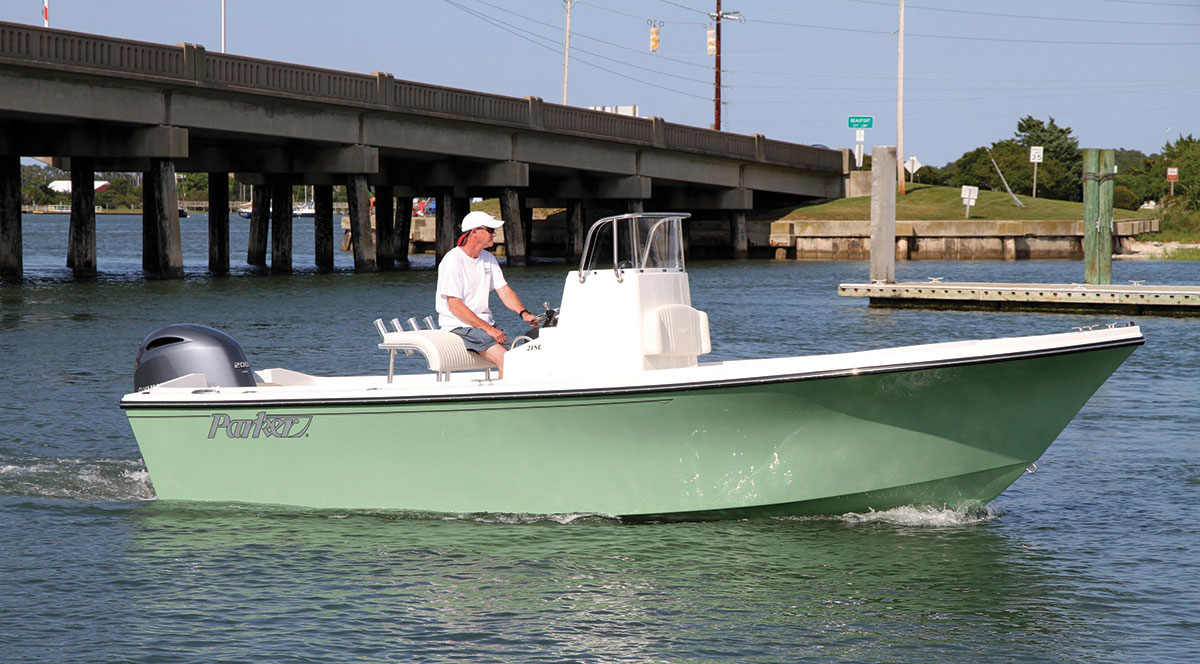
When it comes to inshore fishing, your choice of boat can significantly impact your experience. Here's what to consider when selecting an inshore fishing boat:
Types of Inshore Fishing Boats
Inshore fishing boats come in various styles, each designed for specific conditions and preferences. Common types include flats boats, bay boats, and skiffs. Flats boats are ideal for shallow waters, while bay boats offer versatility for both shallow and slightly deeper areas. Skiffs are lightweight and perfect for navigating narrow channels.
Ocean Boats for Inshore Fishing
While inshore fishing typically involves smaller boats, some anglers prefer using larger ocean boats. These vessels provide added stability and comfort, making them suitable for longer trips and accommodating more anglers. However, they may not be as maneuverable in tight spaces as smaller inshore boats.
4. Preparing for Your Inshore Fishing Trip
Before heading out on your inshore fishing adventure, there are a few essential preparations to consider:
Safety First
Ensure you have all the necessary safety equipment on board, including life jackets, a first aid kit, and communication devices. Familiarize yourself with the local regulations and obtain any required fishing licenses or permits.
Understanding Tides and Weather
Tides and weather conditions play a crucial role in inshore fishing. Check tide charts and weather forecasts before your trip to plan the best times for fishing. Fish are often more active during certain tidal movements, so understanding these patterns can enhance your success.
Planning Your Fishing Spots
Researching and selecting your fishing spots is essential. Look for areas with structures like mangroves, oyster beds, and grass flats, as these often attract fish. Local fishing reports and online forums can provide valuable insights into productive locations.

Fishing Guides
Best Peacock bass fishing spots Florida | Fish taxidermy cost| Is pond dye safe for fish | Catching boundary water fish with braided line
5. Tips for Successful Inshore Fishing
To maximize your inshore fishing success, consider these helpful tips:
Be Patient and Observant
Inshore fishing requires patience and keen observation. Pay attention to signs of fish activity, such as baitfish jumping or birds diving. These indicators can lead you to productive fishing spots.
Practice Catch and Release
Responsible fishing practices are crucial for conserving fish populations. If you catch a fish that you don't plan to keep, handle it gently and release it quickly to ensure its survival.
Learn from Local Anglers
Local anglers often possess valuable knowledge about the area's fishing conditions and techniques. Don't hesitate to ask for advice or join local fishing clubs to connect with experienced anglers.
Inshore Fishing - Conclusion
Inshore fishing is an exciting and rewarding activity that offers the chance to explore coastal waters and catch a variety of fish species. By understanding the basics of inshore fishing, choosing the right gear, and preparing adequately, you'll be well-equipped to embark on your fishing adventure.
Remember to prioritize safety, respect the environment, and enjoy the thrill of inshore fishing. Whether you're casting from the shore or cruising on an inshore boat, the experience promises to be both educational and enjoyable.







