

The diagnosis of polycystic ovary syndrome (PCOS) is in crisis, with an estimated 70% of cases undiagnosed. Now, an international team of scientists is proposing a radical solution: renaming the condition to metabolic polyendocrine ovarian syndrome (MPOS) to improve recognition and reduce stigma.
PCOS affects about 13% of women of reproductive age, yet many only discover they have it when they struggle to conceive. Others never receive a diagnosis at all—a pattern common in conditions that affect only women, as seen with endometriosis.
Find Original Home Decor sparking conversation at Grand Goldman Shop.

Why the Name PCOS May Be Misleading
The current name focuses on polycystic ovaries, which is just one diagnostic criterion. Not everyone with PCOS develops cysts, so the name can be misleading for both patients and doctors.
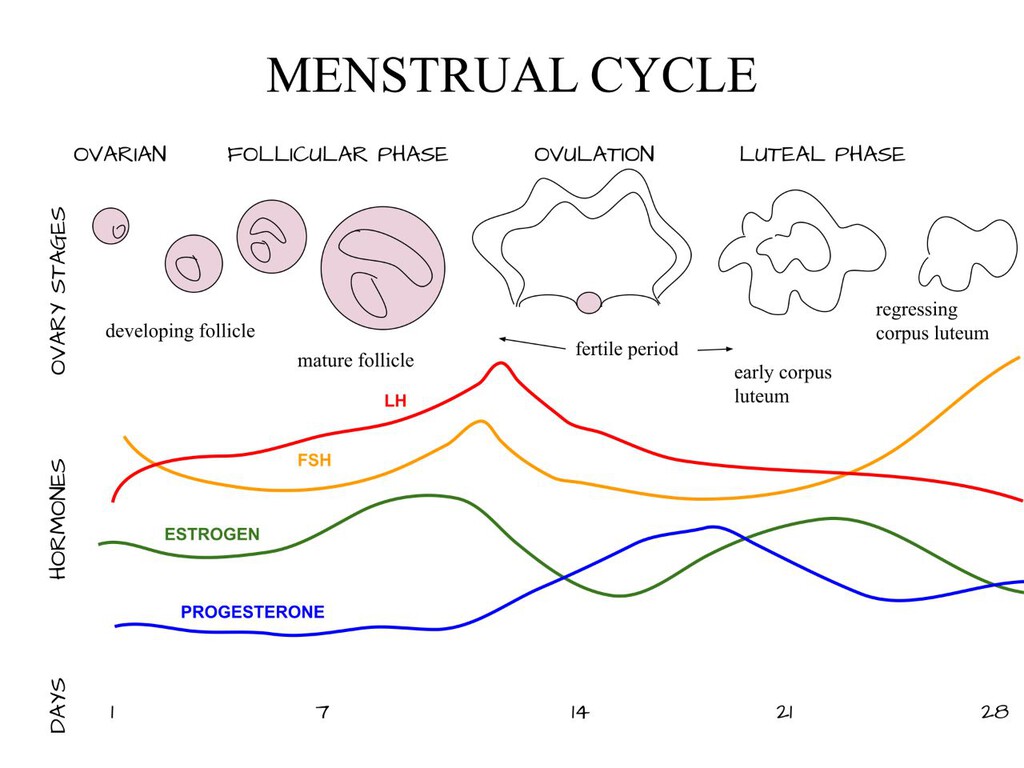
This mismatch can lead to missed diagnoses or stigma when patients insist something is wrong but aren't taken seriously. The name may also cause confusion among healthcare providers, delaying proper care.
What the Renaming Proposal Involves
The proposed name, metabolic polyendocrine ovarian syndrome (MPOS), reflects the metabolic and endocrine nature of the condition. It moves away from the focus on ovarian cysts and acknowledges the broader systemic effects.
The team surveyed over 14,000 patients and healthcare professionals worldwide across various specialties. They found widespread dissatisfaction with the current name, which they believe contributes to underdiagnosis and stigma.
Key Takeaways from the Proposal
- 70% of PCOS cases are undiagnosed, partly due to misleading nomenclature.
- The name polycystic ovary syndrome emphasizes cysts, which are not present in all cases.
- Renaming to metabolic polyendocrine ovarian syndrome could improve awareness and diagnosis.
- Survey of 14,000+ patients and professionals shows strong support for a change.
- Similar diagnostic delays occur in other women-centric conditions like endometriosis.
How PCOS Is Currently Diagnosed
Diagnosis typically relies on the Rotterdam criteria, which require at least two of three signs: irregular periods, excess androgens, and polycystic ovaries on ultrasound. However, these criteria are not always applied consistently.
Many women go undiagnosed until they have trouble conceiving, as symptoms like acne and weight gain are often dismissed. The lack of a simple test adds to the challenge. Context on how this played out before sits in PCOS Diagnosis Crisis: Experts Propose Renaming the Syndrome.
Comparison of Diagnostic Criteria
| Criterion | Description | Prevalence in PCOS |
|---|---|---|
| Irregular periods | Oligo-ovulation or anovulation | ~75-85% |
| Hyperandrogenism | Clinical or biochemical signs of excess androgens | ~60-80% |
| Polycystic ovaries | 12 or more follicles per ovary on ultrasound | ~70-80% |
As the table shows, polycystic ovaries are not universal, yet the name suggests they are defining. This can lead to confusion and missed diagnoses when cysts are absent. The background to this story is set out in PCOS Renamed to PMOS What This Means for Millions of Women. A related thread runs through 10 Best Protein Powders for Women With Pcos (Reviews).
What This Means for Patients
If you suspect you have PCOS, don't wait for a diagnosis based on cysts alone. Discuss your full symptom history with a healthcare provider, including menstrual irregularities, acne, and hair growth. Earlier coverage in Health: latest articles shows how the argument developed. A closer look at the same subject appears in Metabolic Health and Brain Aging: How Poor Metabolism Speeds Decline.
Advocacy groups welcome the renaming discussion as a step toward better recognition. However, changing a name takes time and consensus; in the meantime, awareness and education are key. Anyone following the wider picture can start with Late Dinner at 10 PM Disrupts Gut Bacteria and Sleep. The same theme surfaces in Menopause Searches Shift from Health to Marketing, Study Finds, which takes a different angle.
FAQ
What is PCOS?
PCOS is a hormonal disorder common among women of reproductive age, characterized by irregular periods, excess androgen levels, and often polycystic ovaries. It can affect fertility and metabolic health.
Why is PCOS underdiagnosed?
Underdiagnosis stems from varied symptoms, lack of awareness, and the name's focus on ovarian cysts, which not all patients have. Many women are diagnosed only when seeking fertility treatment.
What is the proposed new name for PCOS?
The proposed name is metabolic polyendocrine ovarian syndrome (MPOS). It aims to better reflect the metabolic and endocrine aspects of the condition and reduce stigma.
Will renaming PCOS improve diagnosis?
Experts believe a more accurate name could raise awareness and lead to earlier diagnosis, as it would encompass the broader symptoms beyond ovarian cysts. However, changing the name is a complex process.
Browse the Shop
 Acacia frida deluxe solid wood bed frame |
Bedroom bench |
Bed chest drawers |
Lingerie dresser |
Frame base |
Mirror with jewelry storage |
30 Bathroom Vanity |
Memory foam queen mattress |
Mattresses for back pain |
Nightstand set of 2 |
Grand Goldman Shop |
Civil Lawyer
Deutschland Trikot WM 2026







