


If youve ever wondered,can I wear hiking boots for walking, youre not alone. As an outdoor enthusiast and footwear specialist with over a decade of experience, Ive fielded this question countless times.
The short answer is yesyou can wearhiking bootsfor walking, but there are important factors to consider before lacing up. In this article, Ill draw on my expertise to break down the benefits and drawbacks, helping you make an informed choice for your feet and your adventures.
Hiking bootsare designed for rugged terrain, offering superiorankle support,durability, andtractioncompared to standard walking shoes. Theyre built to protect your feet on rocky trails, muddy paths, and uneven ground. However, if your daily walks are on paved sidewalks or city streets, you might find hiking boots heavier and less flexible than specializedwalking shoesorsneakers. That extra weight and stiffness can impact comfort over long distances on flat surfaces.
Through years of testing and reviewing outdoor gear, Ive learned that the right footwear can make or break your walking experience. Whether youre strolling through the park or tackling urban hikes, understanding thedifferences between hiking boots and walking shoesis crucial. In this guide, Ill share practical tips, expert insights, and trustworthy recommendations so you can decide ifhiking bootsare the best fit for your walking routine.

1. Understanding Hiking Boots
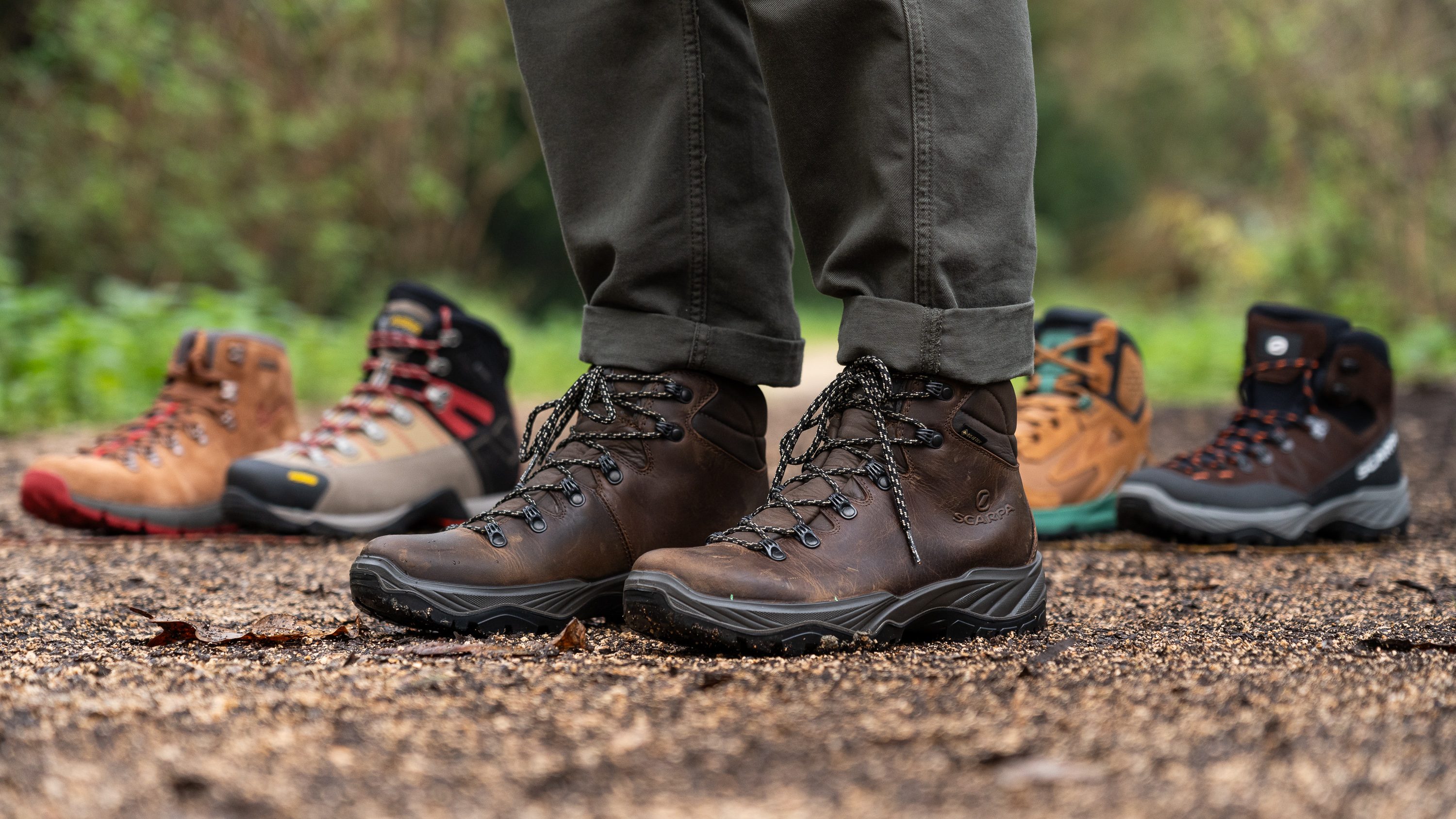
Hiking boots are specifically designed for trekking through rough terrain, providing support, stability, and protection. They are often made from durable materials and come in various styles, including waterproof hiking boots and snow boots for hiking. Here's a closer look at some key features:
Key Features of Hiking Boots
- Durability and Support: Made from tough materials, hiking boots are built to withstand harsh conditions while offering excellent ankle support.
- Traction: The soles of hiking boots are designed to provide grip on uneven surfaces, which is crucial for preventing slips and falls.
- Protection: Many hiking boots offer reinforced toes and waterproofing to protect your feet from rocks, debris, and moisture.
Types of Hiking Boots
- Lightweight Hiking Boots: Ideal for day hikes or casual walking, these boots offer flexibility and comfort.
- Backpacking Boots: Designed for long-distance hiking, they provide more support and are suitable for carrying heavy loads.
- Mountaineering Boots: Built for rocky terrain and snow, these are the most robust and heavy-duty option.

2. Pros and Cons of Wearing Hiking Boots for Walking
While hiking boots can be used for walking, it's essential to consider their pros and cons:
Pros
- Stability and Support: Hiking boots provide excellent ankle support, which can be beneficial for uneven surfaces.
- Durability: Their robust construction makes them long-lasting, even with frequent use.
- Protection: They shield your feet from environmental elements, including water and sharp objects.
Cons
- Weight: Hiking boots are generally heavier than walking shoes, which might cause fatigue over long distances.
- Breathability: Some hiking boots may not be as breathable, leading to sweaty feet during extended wear.
- Flexibility: The rigidity of hiking boots can be uncomfortable for walking on flat, paved surfaces.
Hiking Guides
Is hitch hiking illegal |How to lace up hiking boots | How to wear a backpack for hiking | Is hiking the Donner Pass Train Tunnel Safe
3. Best Situations for Using Hiking Boots for Walking
Hiking boots can be a great choice for walking in specific scenarios:
Uneven or Off-Road Terrain
If you're walking on trails, gravel, or uneven paths, hiking boots can provide the support and traction needed for a safe and comfortable experience.
Wet or Cold Conditions
Hiking boots, especially waterproof and insulated options, are ideal for walking in wet or cold environments, offering protection against the elements.
Long-Distance Walking with a Backpack
If your walking involves carrying a backpack, hiking boots can offer the support required to manage the extra weight without straining your feet.
4. Alternatives to Hiking Boots for Walking
If you're looking for alternatives to hiking boots, consider the following options:
Trail Running Shoes
Trail running shoes are a lighter alternative to hiking boots, offering good traction and support without the added weight. They are ideal for those who need flexibility and breathability.
Walking Shoes
Designed specifically for walking, these shoes prioritize comfort and support for all-day wear. They are often more lightweight and breathable than hiking boots.
Sneakers for Hiking
For casual walks or light trails, sneakers can provide the comfort and flexibility needed. They are less durable but offer a good balance between support and weight.

5. Choosing the Right Footwear for Walking
When selecting footwear for walking, consider the following factors:
Terrain
Match your footwear choice to the terrain you'll be walking on. Hiking boots are great for rough terrains, while walking shoes or sneakers are better for flat, paved surfaces.
Weather Conditions
Consider the weather when choosing footwear. Waterproof and insulated hiking boots are suitable for wet or cold conditions, while breathable shoes are best for warmer climates.
Distance and Duration
For long-distance walking, prioritize comfort and support to prevent fatigue and blisters.
Wearing Hiking Boots for Walking - Conclusion
Hiking boots can be a suitable choice for walking, particularly in challenging conditions or when extra support is needed. However, for regular walking on flat surfaces, lighter and more flexible footwear options like walking shoes or trail running shoes may be more comfortable.
By considering your walking environment and needs, you can make an informed decision and find the best footwear for your adventures.
In the end, whether you choose hiking boots or another type of footwear, the key is finding what works best for your specific walking conditions and comfort preferences.







